
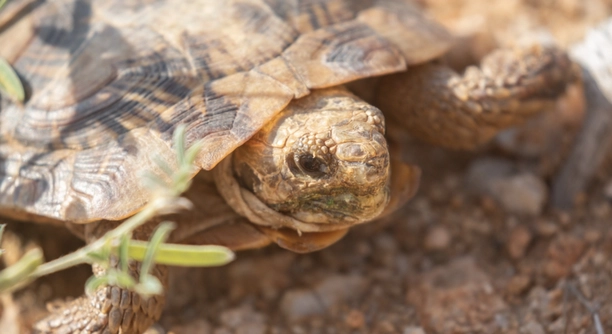
Pancake tortoises are unique and fascinating creatures, but if you’ve noticed your pet frequently lifting its head, there may be a reason behind it. This behavior is quite common and can signal different things about its health or environment.
The most common reason your pancake tortoise lifts its head is to adjust its body posture or assess its surroundings. This behavior helps them stay alert to potential threats, communicate, or stretch out their necks.
Understanding the causes of your pancake tortoise’s behavior is important for providing a comfortable and safe environment. From health concerns to environmental factors, there’s more to this behavior than meets the eye.
Natural Behavior
Pancake tortoises are known for their interesting postures and behaviors. Lifting their heads is often a normal part of their activity. In the wild, these tortoises use this posture to look out for predators or environmental changes. They remain vigilant by keeping their heads lifted to monitor movement around them. This instinct helps them avoid danger and stay alert in their natural habitat. Even in captivity, this behavior is common, especially in environments that mimic their natural surroundings.
While it may seem unusual, head-lifting is a good sign that your tortoise is observing its surroundings. It’s part of their survival mechanism, showing that your pet is aware of its environment and feels secure enough to react to potential threats.
Providing a safe and stimulating environment will support this natural behavior. By offering spaces for hiding and climbing, you ensure that your pancake tortoise remains active and engaged. This will help promote its overall well-being.
Environmental Factors
Changes in the environment can cause your pancake tortoise to lift its head.
Temperature and humidity levels in the habitat are key contributors to their behavior. When these factors are not properly regulated, your tortoise may become stressed or uneasy. Inadequate heating or moisture could lead to discomfort, prompting it to constantly check its surroundings. Proper lighting and heat sources should be carefully controlled to avoid any unnecessary distress. A suitable temperature range of 75-85°F is ideal for these tortoises. Likewise, maintaining appropriate humidity levels of 50-70% ensures their comfort.
Inadequate space or poorly arranged enclosures could also lead to this head-lifting behavior. If the environment feels cramped or unwelcoming, your tortoise may constantly be on alert, lifting its head to assess its surroundings. You may also notice it moving around more frequently. Offering a larger space and adjusting the environment to meet their needs can reduce these signs of stress. Consider using natural elements, such as rocks and hiding spots, to help your tortoise feel more secure in its space.
Health Concerns
If your pancake tortoise is lifting its head more than usual, it could be signaling health issues. Dehydration or respiratory problems are common reasons behind this behavior. When a tortoise isn’t drinking enough water, it may raise its head as it searches for relief or simply tries to stay more alert.
Respiratory infections can also cause discomfort, making the tortoise lift its head in an attempt to breathe more easily. If you notice wheezing, nasal discharge, or labored breathing along with the head-lifting, it’s time to check with a vet. It’s essential to monitor for any other signs of illness, like lack of appetite or lethargy. Dehydration and respiratory issues can be addressed by adjusting your pet’s diet and environment, ensuring they stay hydrated and warm.
Proper care involves maintaining a balanced diet with the right humidity and temperature levels. A visit to the vet will confirm whether your tortoise is ill and help treat any underlying issues promptly.
Stress and Anxiety
Stress can lead to frequent head-lifting.
Your pancake tortoise may become stressed if it feels threatened or is in an unfamiliar environment. Handling your tortoise too much or introducing sudden changes to its habitat could trigger this response. A tortoise is sensitive to disturbances and can quickly become agitated, causing it to lift its head while staying alert.
A stressed tortoise may also show other signs like hiding more often, not eating, or becoming more aggressive. Reducing handling and ensuring the environment is quiet and safe helps lower anxiety. Use calming practices like providing a consistent daily routine and minimizing loud noises. The more secure your tortoise feels in its space, the less likely it will display this behavior.
Overexposure to Light
Too much exposure to light could also cause your pancake tortoise to lift its head. If it’s too bright, your tortoise may be trying to shield its eyes or adjust its posture. In the wild, these creatures seek shade and darker spaces to stay comfortable.
Using bright lights in the enclosure can create discomfort. It’s important to use UVB lighting carefully, ensuring it isn’t too intense or too close to your tortoise. Check that the light cycle is consistent, as too much light without proper darkness can cause stress, leading to abnormal behavior like frequent head-lifting.
Temperature Fluctuations
Temperature fluctuations may cause your tortoise to raise its head.
Sudden changes in temperature can lead to discomfort. If the habitat is too hot or too cold, your tortoise might lift its head as part of an attempt to regulate its body temperature. Having a consistent temperature range is crucial for their well-being.
Curiosity
Pancake tortoises are naturally curious creatures.
When your tortoise lifts its head, it may simply be trying to see what’s happening around it. This behavior is common as they explore their surroundings. By observing you or other movements in the room, they are staying alert to new stimuli.
FAQ
Why is my pancake tortoise lifting its head so often?
A pancake tortoise may lift its head for various reasons. The most common cause is natural behavior. They are alert creatures, constantly monitoring their environment for danger or changes. If it’s frequent, it could also point to health issues like dehydration, respiratory problems, or stress. Ensure it has the proper temperature, humidity, and a quiet, safe space to help reduce this behavior. It’s important to monitor its health and consult a vet if symptoms like lethargy or loss of appetite appear.
How can I tell if my pancake tortoise is dehydrated?
Dehydration in pancake tortoises is a serious concern. If your tortoise is not drinking enough water, you might notice its skin looking wrinkled or dry. Additionally, its eyes might look sunken or dull. It may also become lethargic and eat less. Providing fresh water daily and ensuring humidity levels in the enclosure are optimal will help prevent dehydration. Offer a shallow water dish that’s easy for it to drink from, and occasionally mist the habitat to maintain moisture.
Can my pancake tortoise lift its head when stressed?
Yes, stress is another reason your tortoise might raise its head. If there are changes in its environment, such as moving its enclosure or a loud noise, it can become stressed. Handling the tortoise too much or exposing it to sudden temperature shifts can also lead to anxiety. You might notice other signs of stress, such as hiding, loss of appetite, or erratic movements. Reducing disturbances and providing a stable, quiet habitat will help ease its stress.
Is it normal for my pancake tortoise to lift its head while basking?
Yes, it’s normal for a pancake tortoise to lift its head while basking. In the wild, they often lift their heads to soak in the sun while being vigilant for potential threats. This is an instinctual behavior that helps them remain aware of their surroundings. If your tortoise is basking in the right conditions—temperature around 85-90°F and UVB light—it is simply taking advantage of the heat and light.
What should I do if my pancake tortoise isn’t eating and keeps lifting its head?
If your tortoise isn’t eating and is frequently lifting its head, it could be a sign of stress, illness, or an improper environment. Make sure the enclosure’s temperature, humidity, and lighting are correct. Stressors like overhandling, an overcrowded environment, or changes in routine can make them anxious. If the behavior continues, consult a vet to check for health issues like respiratory infections or dehydration.
How can I reduce head-lifting if it’s due to stress?
To reduce stress, create a more secure and calm environment. Avoid frequent handling and ensure the enclosure is placed in a quiet, low-traffic area. Use hiding spots to provide security. Maintain a consistent daily routine for feeding and cleaning. If possible, avoid drastic changes to its environment, as tortoises can be sensitive to new setups. By reducing stressors and ensuring comfort, the behavior should decrease over time.
Can overexposure to light cause head-lifting?
Yes, too much light can cause discomfort and lead your tortoise to lift its head. Pancake tortoises prefer shaded areas in the wild and may feel stressed if the light is too bright. If you’re using UVB lighting, make sure it’s not too intense or too close to the tortoise. Ensure a proper light cycle with a balance of light and dark periods to keep your pet comfortable.
Why does my pancake tortoise lift its head when I approach?
Your tortoise may lift its head as a sign of curiosity or alertness. Pancake tortoises are naturally curious creatures, and they tend to watch movements around them. When you approach, it could be trying to figure out if you pose a threat or if you’re bringing food. This behavior is usually harmless and can be a sign that your tortoise is aware and interested in its environment.
Is there a connection between head-lifting and health problems?
Head-lifting can sometimes be linked to health issues, especially if the tortoise shows other symptoms such as lethargy, loss of appetite, or difficulty breathing. Respiratory infections, dehydration, and discomfort from temperature or humidity fluctuations can lead to this behavior. It’s important to observe other signs and take your tortoise to a vet if you suspect any health problems.
Can my pancake tortoise lift its head due to temperature fluctuations?
Yes, temperature fluctuations can cause your tortoise to lift its head. Pancake tortoises rely on a stable temperature to regulate their body heat. If the enclosure is too hot or too cold, they may become uncomfortable and raise their head to seek a better position or cooler/warmer areas. Make sure the habitat maintains a consistent temperature, especially with proper heat sources, to prevent discomfort.
Final Thoughts
Understanding why your pancake tortoise keeps lifting its head can help you ensure its health and well-being. Most of the time, this behavior is natural and tied to its instincts. Pancake tortoises are naturally alert and cautious animals. Lifting their head helps them monitor their surroundings for potential threats, which is a survival instinct carried over from their wild habitats. In a well-maintained environment, this behavior is usually a sign that your tortoise is simply staying vigilant and active. However, it’s important to know when this behavior might indicate a deeper issue.
If your pancake tortoise is lifting its head excessively, it could be a sign of stress, dehydration, or even health problems. Stress can come from environmental changes, improper temperature or lighting, or too much handling. Dehydration is another common cause, especially if your tortoise isn’t drinking enough water or the humidity in the enclosure is too low. It’s important to create a calm, stable environment for your tortoise. Ensure the temperature, humidity, and lighting are all appropriate for its needs. Regularly checking the enclosure and making adjustments will help reduce stress and promote a more comfortable habitat for your pet.
In cases where head-lifting is accompanied by other symptoms, such as loss of appetite, difficulty breathing, or lethargy, it’s best to consult a veterinarian. They can help diagnose any potential health issues and provide treatment if necessary. By keeping an eye on your pancake tortoise’s behavior and environment, you can address any issues early and ensure a long, healthy life for your pet. Always remember that regular care and attention to detail are key to keeping your pancake tortoise happy and healthy.

Hello,
If you enjoy the content that we create, please consider saying a "Thank You!" by leaving a tip.
Every little bit helps us continue crafting quality advice that supports the health, happiness, and well-being of pets around the world, for pets of all shapes, sizes, and species.
We really appreciate the kindness and support that you show us!