
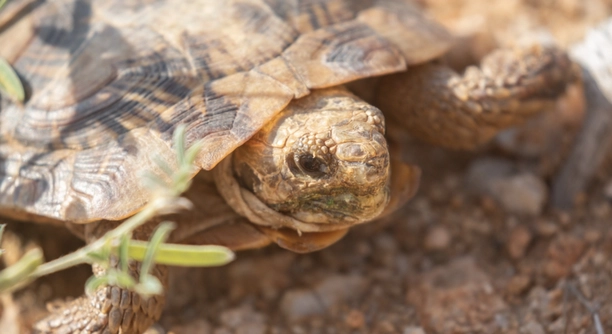
Pancake tortoises are known for their quiet nature, but sometimes, they make unexpected sounds. Understanding the reasons behind these noises can help you better care for your unique pet. It’s important to pay attention to these signs.
The sounds made by pancake tortoises often result from various factors such as environmental stress, communication, or health concerns. These tortoises may vocalize when they feel threatened, during mating behaviors, or when they are uncomfortable in their habitat.
These sounds provide important clues to your tortoise’s well-being. Knowing what causes them can lead to a healthier, happier pet.
Stress from Environmental Changes
Environmental factors play a significant role in the sounds your pancake tortoise makes. Any sudden changes in temperature, humidity, or light can cause discomfort, leading to vocalizations. Tortoises rely on stable conditions to thrive, and a shift in their surroundings might make them feel stressed. Whether it’s moving to a new habitat, changes in your home’s temperature, or adjusting lighting, these shifts can trigger these sounds.
They may not vocalize often, but when they do, it’s usually due to something in their environment. If you’ve recently made changes to their enclosure, this could be the cause of their increased noise.
To help your pancake tortoise feel more at ease, maintain a consistent environment. This includes stable temperatures, humidity levels, and a peaceful setting free from loud noises. Ensure their enclosure is properly equipped with all they need to feel comfortable and safe.
Mating Behavior
During the breeding season, pancake tortoises are more likely to make sounds. This is especially true when they are in search of a mate. These vocalizations are often part of their courtship behavior. Male tortoises might produce sounds to attract females or communicate with other males.
Male tortoises are known to make various noises, such as grunts or hisses, as part of their mating rituals. These sounds help establish territory and signal their presence. It’s common for them to vocalize when they’re close to potential mates or in response to other males’ calls. Understanding these behaviors is essential to interpreting the sounds they make.
If your pancake tortoise is making noise during these times, it’s likely tied to their natural instincts. While it may seem unusual, it’s simply part of their reproductive cycle. Keeping an eye on their behavior and health during this period can ensure they are comfortable and safe.
Health Concerns
Sounds from a pancake tortoise may indicate an underlying health issue. Respiratory infections, gastrointestinal problems, or even injuries can make them vocalize. If their behavior changes along with the sounds, it’s a good idea to seek veterinary advice. Monitoring their condition closely can help identify the cause early.
If your tortoise begins making sounds more frequently or in conjunction with other signs like lethargy, loss of appetite, or difficulty moving, it may be time for a check-up. Health-related sounds might be a sign they are in pain or distress. Catching these symptoms early can make a significant difference in their recovery.
Healthy tortoises typically remain quiet unless provoked. If your pancake tortoise starts vocalizing, be attentive to their behavior. A quick response could prevent further complications. Always trust your observations and consult a vet when something feels off.
Temperature Fluctuations
Pancake tortoises rely on stable temperatures to regulate their bodily functions. Rapid changes in temperature within their enclosure may cause discomfort, resulting in vocalizations. If the environment is too hot or too cold, they may make sounds to express their distress.
Maintaining a proper temperature range for your tortoise is crucial. They thrive in temperatures between 75-85°F (24-29°C) during the day and cooler temperatures at night. Too much heat or cold can stress them, causing them to make noise. A reliable thermometer can help you monitor the conditions of their habitat consistently.
A temperature-controlled environment is essential for the well-being of your pancake tortoise. Keep the heating elements, lighting, and humidity levels consistent, ensuring they never fluctuate too much. This stability will help your tortoise remain comfortable and reduce the likelihood of any vocalizations tied to environmental stress.
Hunger or Thirst
A pancake tortoise might make sounds when it’s hungry or thirsty. They may vocalize if their basic needs aren’t being met. Ensure they always have access to fresh water and a balanced diet. A lack of food or hydration can make them feel agitated and lead to these sounds.
It’s important to keep a consistent feeding schedule. Make sure they are getting enough nutrients from the appropriate food, such as leafy greens and occasional fruits. If your tortoise is not eating, it could be a sign of stress, and it’s worth adjusting their diet or environment.
Lack of Space
Pancake tortoises need room to move around freely. A cramped enclosure can lead to frustration, which can cause them to vocalize. When tortoises don’t have enough space to roam, they may become stressed and anxious, leading to unwanted sounds.
Make sure your tortoise’s habitat is spacious enough to allow natural movement. A larger enclosure gives them room to explore and settle comfortably. Providing a variety of hiding spots and climbing structures also helps keep them entertained and at ease. The more they feel at home, the less likely they will be to make distress noises.
Loneliness
Pancake tortoises can feel lonely if they are isolated for too long. While they aren’t as social as some pets, they still need a certain level of interaction. Sounds could be a sign they are seeking attention or companionship, even if they are not physically vocalizing to other tortoises.
If your tortoise spends a lot of time alone in a quiet space, consider offering some enrichment. Simple things like spending more time near their enclosure or placing another tortoise nearby may help. However, always ensure they have enough room for themselves if you choose to house them with others.
FAQ
Why does my pancake tortoise make sounds at night?
Pancake tortoises may make sounds at night due to environmental changes or discomfort. Nighttime vocalizations are often linked to temperature fluctuations or stress from being in an unfamiliar or confined space. If your tortoise is making noise during the night, check if their enclosure is too cold or too hot. A stable, comfortable environment is essential for a peaceful tortoise. Adding heat lamps or adjusting humidity can help regulate the habitat, ensuring they sleep soundly without making noise.
Can my pancake tortoise be too lonely?
Yes, loneliness can affect a pancake tortoise. While they aren’t social in the way some animals are, they can become stressed or anxious if they feel isolated for long periods. Interaction with their owner or occasional exposure to other tortoises can help reduce loneliness. If you only have one tortoise, spending time with it daily or adding enrichment to their environment can help them feel more secure.
How can I tell if my pancake tortoise is sick?
A sick pancake tortoise may exhibit several signs, including a lack of appetite, lethargy, changes in behavior, or difficulty moving. If your tortoise starts making unusual sounds and shows signs of weakness or discomfort, it could be suffering from an infection, injury, or another health issue. Always consult a veterinarian if you notice a sudden change in your tortoise’s behavior or health.
Is it normal for pancake tortoises to grunt?
Yes, it’s normal for pancake tortoises to grunt. They make sounds for various reasons, such as stress, communication, or during mating. Male tortoises, in particular, may grunt to establish dominance or attract females. While grunting is generally harmless, it’s important to monitor the context in which the sounds occur. If there are accompanying signs of distress, consider evaluating their environment and health.
Can my pancake tortoise make noise when they’re hungry?
Pancake tortoises may make noise when they are hungry, although it’s not as common as other causes. If your tortoise is vocalizing around feeding time, it may be a sign that they’re anticipating food. Ensuring that they are fed consistently and on a proper schedule can help prevent any unnecessary vocalizations caused by hunger. If they’re making noise but aren’t eating, it could indicate stress or another issue.
What temperature should my pancake tortoise’s habitat be?
Pancake tortoises need a temperature range of 75-85°F (24-29°C) during the day. At night, the temperature can drop slightly to 70-75°F (21-24°C). If the temperature in their habitat fluctuates too much, it can cause stress, leading to vocalizations. Make sure to use a thermometer to monitor the conditions in their enclosure regularly. A heat lamp or ceramic heater can help maintain the appropriate temperature.
How can I stop my pancake tortoise from making noise?
To reduce noise, ensure your pancake tortoise’s environment is comfortable. Provide a spacious, stable habitat with consistent temperatures and humidity levels. If the tortoise is stressed, try minimizing disturbances or adding enrichment to prevent frustration. Addressing the potential causes of their vocalizations, such as health issues or environmental changes, can help keep them calm.
Why is my pancake tortoise hissing?
Hissing is a common sound for pancake tortoises, especially when they feel threatened or stressed. This behavior is often a defensive reaction, either to potential predators or discomfort within their environment. If your tortoise is hissing frequently, it may be feeling overwhelmed, or there could be an issue with their habitat. Monitor the surroundings to ensure it’s safe and comfortable for them.
Do pancake tortoises make noise when they’re mating?
Yes, pancake tortoises may make noise during mating. Males often vocalize to attract females or assert their dominance over other males. These sounds can include grunting or hissing. If your tortoise is making noises around mating time, it’s likely a natural part of the courtship process. However, if they are making excessive noise without clear cause, it’s worth investigating other factors like stress or health.
How often should I check my pancake tortoise’s habitat?
It’s a good idea to check your pancake tortoise’s habitat daily to ensure everything is in good condition. This includes monitoring temperature, humidity, and cleanliness. If you notice any changes in their behavior or increased vocalizations, it may be time for a more thorough inspection. Regular checks will help you spot any potential issues early and provide your tortoise with a stable, comfortable environment.
Final Thoughts
Pancake tortoises are fascinating creatures that can communicate through different sounds, but understanding why they make those noises is key to ensuring their well-being. Whether it’s due to hunger, stress, loneliness, or environmental factors, the sounds they make are often a sign that something needs attention. By paying close attention to their needs, you can create a more comfortable, stress-free environment that minimizes vocalization.
One of the most important aspects to consider is the tortoise’s habitat. A spacious and well-maintained enclosure will reduce stress and allow your pancake tortoise to feel more secure. Ensuring proper temperature, humidity, and space for movement is essential for their overall health and comfort. A clean environment free from harsh changes in temperature or humidity can prevent many of the issues that lead to vocalization.
While some vocalizations are perfectly natural, it’s important to monitor any changes in your tortoise’s behavior. If your tortoise is making unusual sounds frequently or exhibiting signs of illness, it may be time to consult a veterinarian. By staying observant and adjusting their care accordingly, you can help your pancake tortoise live a happy, healthy life with fewer disruptions.

Hello,
If you enjoy the content that we create, please consider saying a "Thank You!" by leaving a tip.
Every little bit helps us continue crafting quality advice that supports the health, happiness, and well-being of pets around the world, for pets of all shapes, sizes, and species.
We really appreciate the kindness and support that you show us!