
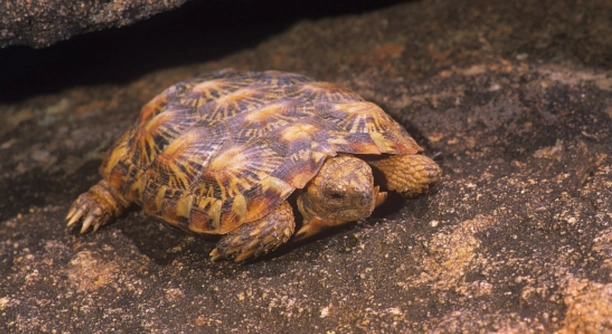
Pancake tortoises are fascinating creatures, and it’s essential to keep a close eye on their health. Recognizing when they need medical attention can make all the difference in ensuring they live a long, healthy life.
If your pancake tortoise is showing signs of distress, it may be time for a vet visit. Common signs include abnormal behavior, changes in eating or drinking habits, or physical symptoms such as swelling or difficulty moving.
Recognizing these signs early on can help you address any issues and provide better care. Keep reading to learn how to monitor your tortoise’s health and ensure it stays in good condition.
Loss of Appetite or Weight Changes
One of the most concerning signs that your pancake tortoise may need veterinary care is a noticeable loss of appetite or changes in weight. Tortoises are usually good eaters, so a sudden decrease in food intake or rapid weight loss should raise red flags. If your tortoise isn’t eating as usual or seems disinterested in food, it could be a sign of illness or stress. In addition, unexpected weight gain or loss can indicate problems with their metabolism or diet.
If your pancake tortoise is showing these signs, it is crucial to monitor their behavior and food intake closely. Make sure their environment is stable, as stress can also affect eating habits.
The change in appetite can be linked to digestive issues, respiratory infections, or even parasites. It’s essential to get a proper diagnosis from a vet who can examine the tortoise and rule out serious conditions. If untreated, these issues can lead to further complications, so early intervention is key to their well-being.
Difficulty Moving or Shell Issues
Pancake tortoises rely heavily on their mobility to thrive, and any difficulty moving could be a sign of health problems. The same goes for any visible changes in their shell. If your tortoise is dragging its feet, limping, or has trouble reaching its food, something may be wrong.
A swollen or cracked shell can point to a variety of underlying issues, such as infection, injury, or nutritional deficiencies. It’s essential to look for signs of physical trauma or growth abnormalities.
If you notice any shell damage or abnormal movement patterns, a vet can provide an in-depth examination and suggest the right course of action. If untreated, these problems could lead to further physical harm or infection.
Unusual Breathing Patterns
If your pancake tortoise is wheezing, gasping for air, or breathing with difficulty, it could signal respiratory problems. Tortoises are prone to respiratory infections, which can be serious if not addressed early. These infections can make it hard for them to breathe properly, affecting their overall health.
Respiratory issues are often caused by factors like improper temperature or humidity levels in their environment, stress, or even exposure to drafts. Infections can spread quickly, so it’s important to seek help from a vet if your tortoise exhibits labored breathing.
A vet will likely conduct tests to determine whether your tortoise has a bacterial, viral, or fungal infection. They may also provide medication or advice on how to adjust the habitat to prevent further issues. These conditions can worsen quickly without treatment, so acting fast is crucial.
Abnormal Feces
Pancake tortoises are sensitive to changes in their diet, and this can be seen in their droppings. If you notice unusually watery, discolored, or smelly feces, it could be a sign of gastrointestinal issues, such as parasites or infections. This is something you shouldn’t ignore.
Gastrointestinal problems can cause dehydration and malnutrition if left untreated, affecting your tortoise’s health in the long term. A sudden change in feces could also indicate stress, an improper diet, or an environmental imbalance.
It’s important to track their fecal patterns and consult a vet if you notice these changes. The vet will likely check for parasites or other underlying health issues. They may recommend a stool sample test and provide medication or dietary adjustments to restore your tortoise’s health.
Swelling or Puffiness
If your pancake tortoise has visible swelling or puffiness, it’s a cause for concern. Swelling could be a sign of infection, injury, or even internal organ problems. Pay attention to areas such as the limbs, neck, or head.
This condition can worsen if left untreated, leading to more severe complications. Swelling can result from fluid buildup, which may be a sign of a serious health issue like an abscess or a systemic infection.
If you spot any swelling, it’s important to visit the vet immediately for a thorough examination. The vet will help determine the cause of the swelling and recommend a treatment plan, such as drainage, antibiotics, or dietary adjustments.
Poor Skin Condition
A pancake tortoise with dry, flaky, or discolored skin might be facing health issues, such as a fungal infection or dehydration. Skin problems can indicate an underlying nutritional imbalance or environmental factors like incorrect humidity.
Keeping their habitat clean and ensuring they are receiving proper hydration is crucial. Skin conditions can be tricky, and they can worsen if not addressed promptly.
A visit to the vet will help identify the source of the problem, whether it’s an infection, nutritional deficiency, or poor habitat conditions. The vet will likely recommend treatment like creams, improved environmental conditions, or dietary adjustments to help your tortoise recover.
Lethargy
If your pancake tortoise seems unusually tired, inactive, or is spending excessive time hiding, it might be a sign of illness. Healthy tortoises are active and alert, so lethargy often points to something wrong.
This could be caused by several factors, including a low temperature in the habitat, dehydration, or an underlying infection. Tortoises can also become lethargic when they are stressed or malnourished.
Lethargy that lasts for more than a day should be investigated by a vet. The vet may check for infections, dehydration, or environmental problems. Proper care and prompt attention can help your tortoise regain its energy and health quickly.
FAQ
What should I do if my pancake tortoise isn’t eating?
If your pancake tortoise refuses to eat, it’s important to first check the environmental conditions. Make sure the temperature, humidity, and lighting are within the proper range for a pancake tortoise. A sudden change in habitat can stress them out and cause them to stop eating. If conditions are fine, monitor their behavior closely for other signs of illness. If your tortoise doesn’t eat for more than a couple of days, it’s best to take them to a vet for further examination. They could be dealing with a digestive issue, infection, or stress-related problem.
How can I tell if my pancake tortoise is dehydrated?
Dehydration can be a serious issue for pancake tortoises. One of the most noticeable signs is if your tortoise appears lethargic or weak. Their skin may also look dry, and you might notice that they aren’t urinating as frequently. To prevent dehydration, make sure your tortoise always has access to fresh, clean water, and consider misting the enclosure to maintain humidity. If dehydration persists, it’s vital to visit a vet to ensure proper treatment and hydration techniques.
Can I treat my tortoise at home for minor injuries?
If your pancake tortoise has a minor injury, like a scratch or small wound, you can gently clean the area with warm water and a soft cloth. Applying a topical antiseptic that’s safe for reptiles may help prevent infection. However, if the injury is more severe or shows signs of infection (redness, swelling, pus), it’s important to see a vet as soon as possible. Tortoises are particularly vulnerable to infections in open wounds, and proper treatment from a professional can prevent further complications.
Is my pancake tortoise too cold?
Pancake tortoises are ectothermic, meaning they rely on external heat sources to regulate their body temperature. If your tortoise is too cold, it may become lethargic, refuse to eat, or have difficulty moving. Ensure that their enclosure provides a heat gradient, with a warm area of around 85-90°F (29-32°C) and a cooler area for them to retreat to. If your tortoise is spending too much time in the cooler areas or looks sluggish, it might be too cold. Heating lamps or mats can help maintain the right temperature for your tortoise.
How can I help my pancake tortoise shed its skin?
Tortoises shed their skin periodically, but sometimes, especially if the environment is too dry, they may have difficulty shedding. If you notice patches of old skin that haven’t come off, increase the humidity in the enclosure. You can also gently mist your tortoise to help soften the skin. Never force the skin off, as it can cause damage. If shedding problems persist, consult a vet to make sure there are no underlying health issues causing the shedding problem.
What’s the best diet for a pancake tortoise?
A pancake tortoise requires a varied diet to stay healthy. They typically eat grasses, leaves, flowers, and other plant matter in the wild. At home, you should provide a mix of leafy greens, such as dandelion greens, collard greens, and turnip greens. You can also offer small amounts of fruits like strawberries or melons as a treat. Make sure to avoid feeding them too much fruit, as it can cause digestive problems. Additionally, always ensure your tortoise has access to calcium supplements to help with shell health.
How often should I clean my pancake tortoise’s enclosure?
Maintaining a clean enclosure is essential for your tortoise’s health. Spot-clean the enclosure daily by removing uneaten food, droppings, and any debris. You should do a full cleaning of the enclosure at least once a week. This includes washing the substrate, cleaning the water dish, and disinfecting any surfaces that may have been in contact with waste. Regular cleaning will help prevent bacteria buildup and ensure that your tortoise lives in a healthy environment.
How do I know if my tortoise has an infection?
Signs of infection in a pancake tortoise include abnormal discharge from the nose or eyes, wheezing or labored breathing, swelling, and lethargy. If your tortoise shows any of these symptoms, it’s crucial to take them to the vet immediately. Infections can spread rapidly and lead to more severe complications if left untreated. A vet can identify the cause of the infection, whether it’s bacterial, viral, or fungal, and provide the necessary treatment to help your tortoise recover.
Can I let my pancake tortoise roam outside?
Allowing your pancake tortoise to roam outside can be a great way for them to get natural sunlight and exercise, but there are some important considerations. The outdoor environment should be safe and secure, free from predators or hazards. Ensure the temperature is warm enough for your tortoise to be active but not too hot, as they can overheat easily. Always supervise your tortoise when they’re outside to prevent accidents or escape. Bringing them back inside at night is also important to keep them safe from the cooler temperatures and predators.
Why does my pancake tortoise hide all the time?
Tortoises are naturally shy and may hide when they feel stressed or insecure. It’s important to check the conditions in their enclosure first to ensure they feel comfortable. Too much noise, too many people, or improper temperature and humidity can stress them out. If their environment is suitable and they are still hiding, it could be a sign of illness, so keep an eye on their behavior. If the hiding continues or is accompanied by other symptoms like lack of appetite or lethargy, a visit to the vet is a good idea.
Final Thoughts
Taking care of a pancake tortoise requires attention and knowledge of their needs. They may seem tough, but like any pet, they need proper care and a safe environment to thrive. Monitoring their health and behavior is crucial to ensuring they live a long, happy life. Any signs of distress should not be ignored. Changes in eating habits, movement, or breathing can point to underlying health issues that need professional attention. By being proactive, you can address problems early and avoid more serious complications down the road.
Remember that your tortoise’s habitat plays a big role in their well-being. Providing the right temperature, humidity, and space can prevent many common health problems. If you notice anything unusual, don’t hesitate to seek help from a veterinarian experienced with reptiles. They can offer the right advice, conduct tests, and provide treatments to get your tortoise back to its best health. Regular check-ups are just as important as keeping their environment clean and comfortable.
Caring for a pancake tortoise is a rewarding experience that can teach you a lot about their needs and behavior. By observing them closely and responding to changes promptly, you can ensure that they remain healthy and happy. Patience and consistent care go a long way in providing your tortoise with the best life possible. A little extra attention to their diet, living conditions, and overall well-being can prevent many issues, allowing your tortoise to enjoy a long, healthy life under your care.

Hello,
If you enjoy the content that we create, please consider saying a "Thank You!" by leaving a tip.
Every little bit helps us continue crafting quality advice that supports the health, happiness, and well-being of pets around the world, for pets of all shapes, sizes, and species.
We really appreciate the kindness and support that you show us!