
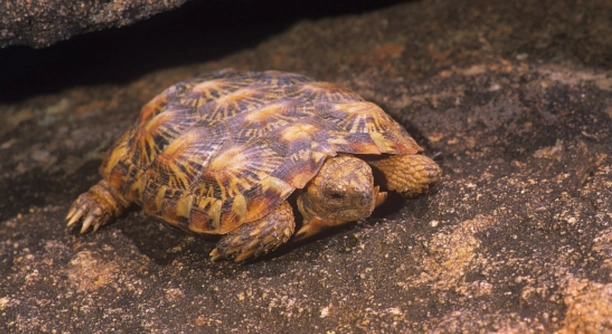
Pancake tortoises are fascinating creatures with unique habits. If you’ve ever wondered how they behave in the wild or as pets, this article will give you some interesting insights into their actions.
Pancake tortoises display distinctive behaviors that help them survive in their natural habitat. These tortoises are known for their ability to squeeze into tight spaces, which offers protection from predators. They are also highly social and often share their hiding spots.
Understanding their behavior can help in providing better care for them in captivity. Their unique traits are essential for their survival and make them captivating creatures to observe.
Pancake Tortoises and Their Hiding Habits
Pancake tortoises are masters at finding refuge in tight spaces. Their flat, flexible shells allow them to slip into cracks and crevices, where they can hide from predators. This unique ability is a survival tactic, as their thin shells make them vulnerable if caught in the open. These tortoises are not as slow as many might think when it comes to finding a safe place to retreat. They often search for rocky areas or the underside of bushes to create their secure hideaways. The tightness of their hideouts offers them protection, and they are known to stay in these spots for hours, sometimes even longer.
Hiding in these confined spaces not only protects them from predators but also helps them regulate their body temperature. When the sun is too intense, they can retreat to cooler, shaded areas. This behavior is vital to their survival, especially in harsh environments.
Their keen sense of finding the perfect hiding spot shows just how resourceful these creatures are. It’s a behavior that sets them apart from other tortoises, making them an interesting species to study.
Social Interactions of Pancake Tortoises
Pancake tortoises are not solitary creatures. They live in groups, often sharing hiding spots with others. This social behavior can be observed most clearly during times of rest. These tortoises seem to find comfort in the presence of others, even though they do not engage in complex social interactions. It’s a matter of survival, not companionship.
Social behavior is important because it helps them locate safe spaces more easily. When they gather in groups, they create a network of safe hiding places that are constantly shifting as they move throughout their environment. This communal approach improves their chances of staying hidden from predators.
Being in a group also encourages a sense of protection among them. With others nearby, the chances of being noticed by a predator are reduced. Pancake tortoises have learned that sticking together in their environment allows them to remain safer and more protected. They adapt their behavior to ensure their survival and safety.
Pancake Tortoises and Their Movement Patterns
Pancake tortoises move quickly for their species. Unlike other tortoises that are slow and deliberate, these tortoises are agile and light on their feet. Their flattened shells make them more streamlined, helping them move swiftly when they need to find cover or escape from predators.
They are particularly active during the cooler parts of the day, often in the early morning or late afternoon. These are the best times for them to forage and explore their environment. Despite their quick movements, they don’t waste energy unnecessarily, conserving it for times when it’s most needed. They are most active during the rainy season, when food is abundant.
Their movements are mostly cautious and calculated. They tend to move in short bursts, often stopping to check their surroundings before continuing. This cautious approach helps them avoid predators while still being efficient in their search for food and shelter.
Pancake Tortoises and Their Feeding Habits
Pancake tortoises are herbivores, primarily feeding on grasses, leaves, and fruits. Their diet is not too varied, but they are selective about what they eat. They prefer tender, easily accessible plants, especially those with high moisture content. They often forage in rocky areas, where plant growth is more abundant.
These tortoises eat small portions throughout the day, grazing in short bursts. This helps them stay alert and ready to hide if danger approaches. They are known to be cautious eaters, only consuming what is within reach and avoiding anything too tough or difficult to digest. In captivity, it’s important to replicate this foraging behavior by providing a variety of fresh plants.
Despite their selective diet, pancake tortoises can survive in harsher conditions by adapting their feeding habits. They have learned to rely on the resources available to them in their natural habitat. While they won’t typically travel far to find food, they are persistent and resourceful when it comes to securing nourishment.
The Role of Temperature in Pancake Tortoise Behavior
Pancake tortoises are highly sensitive to temperature changes. They often seek shade when it’s too hot, using cool, sheltered areas to regulate their body heat. Their flat shells help them stay close to the ground, where temperatures are more stable.
Temperature plays a major role in their daily activities. In colder weather, they slow down significantly, becoming more sluggish. On hotter days, they become more active during early mornings or evenings to avoid overheating. This sensitivity to temperature is vital for their survival in their natural environment, allowing them to adapt to varying conditions.
The Importance of Shell Flexibility
The unique flat, flexible shells of pancake tortoises are essential to their survival. Unlike other tortoises with hard, domed shells, the pancake tortoise’s shell allows it to slip into tight spaces, offering protection from predators. Their shells are not as rigid, giving them more mobility.
This flexibility gives them an advantage in escaping predators. When threatened, they can quickly find narrow gaps or cracks to hide in, which would be impossible for other tortoises with harder shells. This ability to squeeze into tight spaces is one of their most defining behaviors, showing just how much their shells contribute to their survival.
Pancake Tortoises and Mating Behavior
Pancake tortoises are relatively quiet when it comes to mating, but they are still social in their reproductive behavior. Mating often occurs during the rainy season when conditions are more favorable. This helps increase the chances of successful reproduction.
FAQ
How long do pancake tortoises live?
Pancake tortoises have a relatively long lifespan compared to many other tortoise species. In the wild, they typically live between 20 to 30 years. With proper care, they can live even longer in captivity. Their longevity is a result of their natural ability to find shelter and manage their environment carefully. In captivity, a controlled habitat with the right temperatures and diet can ensure they live long, healthy lives.
What do pancake tortoises eat in the wild?
In the wild, pancake tortoises are herbivores, feeding on a variety of grasses, leaves, and fruits. They are particularly fond of tender vegetation, which provides them with necessary nutrients. They don’t typically venture far from their hiding spots but will forage in rocky areas where food is abundant. Their diet also depends on the availability of plants during the rainy season when growth is at its peak.
Do pancake tortoises need a lot of space?
Pancake tortoises do not require vast amounts of space, but they do need a suitable area to move around. A smaller enclosure can work if it provides proper hiding places, climbing structures, and room for them to explore. In the wild, they move between crevices and small rocky areas, so recreating that environment is essential. However, a larger space in captivity is always better, as it allows them to act more naturally.
Are pancake tortoises social creatures?
Yes, pancake tortoises are social to a degree. While they do not form complex social groups, they do tend to congregate in the wild, especially during resting periods. They often share hiding spots and stay in close proximity to one another. In captivity, they will tolerate other pancake tortoises and can even benefit from the presence of others, as it provides them with more opportunities to find safe spaces.
Can pancake tortoises be kept with other animals?
Pancake tortoises are best kept with other pancake tortoises. While they are social within their own species, they can become stressed or defensive if housed with different types of animals. They may be cautious of other species, especially if they feel threatened. It’s important to carefully monitor any interactions between different animals to ensure no harm is done to the tortoise. Generally, it’s advisable to house them with others of their kind in a peaceful and calm environment.
How often should I feed my pancake tortoise?
Pancake tortoises should be fed regularly, typically once a day. In the wild, they graze on plants throughout the day in small portions. In captivity, providing a daily feeding of fresh greens, grasses, and occasional fruits is sufficient. Overfeeding can lead to health problems, so it’s important to provide the right amount. It’s best to avoid feeding them too much in one sitting, as they are more inclined to eat small amounts spread throughout the day.
What is the best habitat for a pancake tortoise?
The ideal habitat for a pancake tortoise should be spacious enough for them to move around freely, with access to hiding places. They prefer dry, rocky environments, which provide plenty of cover. The temperature should be kept warm, with access to cooler areas to regulate their body heat. Additionally, the substrate should be sandy or slightly rocky to mimic their natural environment. Having places for climbing and burrowing can also help them feel more comfortable.
How can I tell if my pancake tortoise is healthy?
A healthy pancake tortoise will have clear, bright eyes, a smooth and firm shell, and an active appetite. If a tortoise seems lethargic, has soft or damaged shells, or shows signs of irregular breathing, it could be a sign of illness. Regular checkups with a reptile vet can help ensure your tortoise remains in good health. They should be active during the day, and their eating habits should be consistent.
Do pancake tortoises hibernate?
Unlike many other tortoises, pancake tortoises do not go into true hibernation. However, they do become less active during cooler months and may spend more time hiding in sheltered areas. In captivity, it is important to maintain a consistent temperature throughout the year to prevent them from becoming too lethargic. A drop in temperature should be avoided, as it could lead to health problems.
What temperature is ideal for pancake tortoises?
Pancake tortoises thrive in warm temperatures, usually between 80°F and 90°F (27°C to 32°C) during the day. At night, the temperature can drop slightly to around 70°F (21°C). It’s important to provide a heat source, like a basking light, to help regulate their body temperature. This mimics the warm, sunny environments they are native to and allows them to stay active and healthy.
Can pancake tortoises be kept outdoors?
Pancake tortoises can be kept outdoors in areas with suitable climates, such as regions with warm temperatures. However, they should always have access to a sheltered area where they can retreat if the weather becomes too harsh. In colder climates, it is best to keep them indoors during the winter months, as they are not adapted to freezing temperatures. When kept outdoors, it is important to ensure they are protected from predators and other environmental risks.
Final Thoughts
Pancake tortoises are unique creatures with distinct behaviors and characteristics that make them fascinating to observe. Their flat, flexible shells allow them to escape predators by slipping into tight spaces, something few other tortoises can do. This ability, combined with their social nature, makes them stand out in the world of reptiles. They are not just slow-moving creatures; they are quick and resourceful, using their agility to find food and shelter in their natural habitats. Understanding their behavior and needs is key to providing the right care for them, whether they are in the wild or in captivity.
These tortoises rely heavily on their environment to maintain a balanced life. Temperature, for example, plays a significant role in their activity levels. They become sluggish in cold weather and more active when the temperature is just right. This means that in captivity, it’s important to create an environment that mimics their natural surroundings, with access to both warmth and cooler places. Additionally, providing a proper diet and enough space to roam will help them thrive. If you’re thinking of keeping a pancake tortoise, be sure to consider all of their needs, including social interaction and shelter.
In conclusion, pancake tortoises are fascinating, adaptable creatures that can make great pets for those willing to understand their needs. Their ability to survive in tough conditions and their unique physical traits make them special. If you want to ensure a healthy life for a pancake tortoise, focus on creating an environment that meets their specific needs, from the right temperature to the appropriate social structure. By providing care that reflects their natural behaviors, you’ll be able to enjoy observing them as they go about their unique and captivating lives.

Hello,
If you enjoy the content that we create, please consider saying a "Thank You!" by leaving a tip.
Every little bit helps us continue crafting quality advice that supports the health, happiness, and well-being of pets around the world, for pets of all shapes, sizes, and species.
We really appreciate the kindness and support that you show us!