
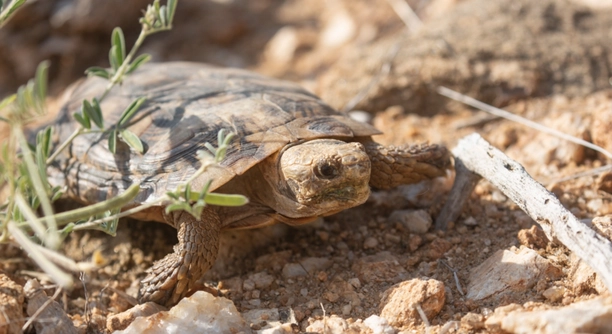
Pancake tortoises are fascinating creatures, but if yours seems to always be hiding, you may be wondering why. Understanding the behaviors behind their hiding habits can help you better care for them.
Pancake tortoises hide primarily for protection, as they are naturally shy and seek refuge when feeling threatened. This behavior can also be linked to their desire for a safe and quiet environment, especially when stressed.
Understanding their instincts can help you create a comfortable space for your pancake tortoise. We will explain why hiding is such an important part of their life and how to support their needs.
Hiding for Safety
Pancake tortoises are naturally shy creatures. They have soft, vulnerable bodies, which makes them prone to feeling threatened. In the wild, they tend to hide in crevices to stay safe from predators. In captivity, they may do the same if they feel insecure or stressed. Their instinct to hide is a way of protecting themselves. This is completely normal and part of their natural behavior. It’s not unusual for them to seek cover in places where they feel safe. If your pancake tortoise is hiding more often than you’d expect, it might be because they need to retreat from external stressors.
It’s important to remember that hiding doesn’t always indicate a problem. It’s simply a protective response to something that may feel threatening, whether it’s a loud noise, new people, or even a change in the environment.
Ensuring that your pancake tortoise feels comfortable and secure in their habitat will help reduce this behavior. Providing hiding spots, such as shelters or rocks, can give them a space to retreat to when they feel uneasy. Avoid forcing them out of their hiding spots as this can add unnecessary stress. They will feel more confident when they have access to areas where they can withdraw at will. Creating a stress-free environment is key to helping them feel safe and reducing their need to hide.
Temperature Sensitivity
Pancake tortoises are sensitive to temperature changes. When their environment feels too hot or too cold, they may instinctively hide. In the wild, they can regulate their body temperature by moving between sun and shade. In captivity, it’s important to maintain a steady temperature in their enclosure.
They often seek cooler or warmer spots depending on their needs. If the temperature in their environment fluctuates too much, they may hide to avoid discomfort. Monitoring their enclosure’s temperature closely will help prevent this behavior.
Stress from Handling
Your pancake tortoise may hide because of stress from being handled too much. These animals are not accustomed to constant human interaction and prefer to be left alone. Excessive handling can lead to feelings of insecurity, causing them to retreat into their hiding places for comfort.
They need time to adjust to their environment and should not be forced to interact with you or other pets. It’s important to let your tortoise explore their space without pressure. Gradually building trust will make them feel more secure. Regularly checking on them from a distance, without disturbing them, is a good practice.
Handling should be kept minimal, and always approach your pancake tortoise gently. Make sure their living space offers plenty of places to hide where they can feel safe. By respecting their space and limiting handling, you’ll help them feel more secure and reduce their tendency to hide.
Illness or Injury
If your pancake tortoise suddenly hides more than usual, it could be a sign of illness or injury. Just like other animals, when they aren’t feeling well, they will seek seclusion to avoid showing vulnerability.
Pay close attention to their behavior, looking for signs of lethargy, loss of appetite, or difficulty moving. If you notice these symptoms, it’s important to take your tortoise to a veterinarian who specializes in reptiles. Early detection can make a big difference in their recovery.
In some cases, minor injuries or infections might not be immediately visible. Keeping an eye on their movements and checking for unusual signs will help you catch any health concerns early. Providing a quiet, warm, and secure space will help them recover more comfortably.
Natural Instincts
Hiding is a natural instinct for pancake tortoises. In the wild, they hide from predators and harsh weather. This behavior is deeply embedded in their nature, and even in captivity, they will seek out hiding spots when they feel uneasy. It’s simply their way of coping with the world around them.
Creating a safe environment with accessible hiding spots allows them to feel secure. This could include tunnels, rocks, or even plants that help mimic their natural habitat. By providing a secure space, you support their well-being and let them express their natural behaviors without stress.
Light and Darkness
The amount of light in their habitat can affect how much your tortoise hides. Pancake tortoises are crepuscular, meaning they are most active at dawn and dusk. They may hide during bright daylight or when the lights are too harsh.
Adjusting the lighting to mimic their natural rhythm helps them feel more comfortable and less inclined to retreat into hiding.
FAQ
Why does my pancake tortoise hide all the time?
Pancake tortoises are naturally shy and enjoy hiding as a protective instinct. In the wild, they hide to avoid predators and extreme weather. Even in captivity, they may hide when they feel insecure or stressed. Hiding helps them feel safe and secure. If your tortoise seems to be hiding constantly, make sure their environment is calm and comfortable. Check for any signs of stress, like loud noises or sudden changes in their surroundings.
How can I reduce my pancake tortoise’s hiding?
If your tortoise hides frequently, try adjusting its environment. Ensure their habitat has enough hiding spots, but also space to roam. Avoid excessive handling, as this can stress them out. Keeping their temperature and lighting stable will also help. A quiet, stable environment will encourage them to feel more secure and spend less time hiding.
Should I be worried if my pancake tortoise hides a lot?
Hiding is normal behavior for pancake tortoises, but it can sometimes be a sign of stress or illness. If they are hiding more than usual and showing other signs of distress, like loss of appetite, lethargy, or changes in their skin, a vet visit may be necessary. Make sure their enclosure is stress-free, and observe them for any changes in behavior or health.
How do I know if my pancake tortoise is stressed?
Stressed pancake tortoises may hide more than usual, appear lethargic, or stop eating. They might also become more defensive, retreating into their shells at the slightest disturbance. Changes in their behavior, eating habits, or activity levels are key indicators that they are stressed. Reducing handling, adjusting the temperature, and providing more hiding spots can help alleviate stress.
Can a pancake tortoise hide because of a change in its environment?
Yes, pancake tortoises can hide when their environment changes. New furniture, the introduction of other pets, or even a change in the room’s layout can cause them to feel threatened. They may retreat to their hiding places for comfort until they adjust to the new surroundings. Giving them time to acclimate is important.
How much handling is too much for a pancake tortoise?
Pancake tortoises are not accustomed to being handled often, and too much interaction can lead to stress. Handle them gently and only when necessary. If you need to interact with them, try to keep it short and calm. Over time, they may become more comfortable with you, but always respect their need for space.
Do pancake tortoises need other tortoises for companionship?
Pancake tortoises are solitary animals by nature. They don’t need other tortoises for companionship, and in fact, they can become stressed if housed with other tortoises. It’s best to keep them in their own space to allow them to feel safe and secure. Ensure their enclosure is large enough for them to roam comfortably.
What should I do if my pancake tortoise refuses to eat?
If your pancake tortoise isn’t eating, it could be due to stress, illness, or an unsuitable environment. Check the temperature and humidity levels in their habitat, as these can affect their appetite. If they continue to refuse food or show other signs of illness, a visit to the vet is recommended.
How can I make my pancake tortoise’s environment more comfortable?
To create a comfortable environment for your pancake tortoise, ensure they have access to a variety of hiding spots, proper lighting, and a stable temperature. Keep their habitat clean and avoid sudden changes. A quiet and peaceful area free from disturbances will help them feel more secure.
Can I train my pancake tortoise to stop hiding so much?
While you can’t exactly “train” your pancake tortoise to stop hiding, you can adjust their environment to reduce their need to hide. Provide a secure, comfortable space with plenty of hiding spots. Gradually building trust through gentle interactions will help them feel more at ease and less likely to hide. However, remember that hiding is natural for them, and some hiding is always to be expected.
Final Thoughts
Pancake tortoises are naturally shy creatures, and hiding is a normal part of their behavior. In the wild, they use hiding as a way to protect themselves from predators and harsh weather. Even in a safe and controlled environment, like your home, this instinct remains strong. If your pancake tortoise spends a lot of time hiding, it’s likely because they feel more secure when they are in a secluded spot. This behavior should not be a cause for concern unless it is accompanied by other signs of illness or distress.
Creating a stress-free, comfortable environment for your pancake tortoise is key to reducing unnecessary hiding. This includes maintaining a stable temperature, providing proper lighting, and ensuring their habitat includes enough hiding spots for when they need them. It’s important to give them the option to retreat and rest but also enough space to roam freely. Avoid overhandling, as this can add stress and make them retreat even more. By making small adjustments to their living conditions and respecting their need for personal space, you can help your pancake tortoise feel secure in their environment.
Remember that every tortoise is different. Some may be more inclined to hide than others, and that’s perfectly fine. It’s a part of their natural behavior. The goal is not to stop them from hiding, but to make sure that they are not hiding due to stress, illness, or other issues. Regularly check on their behavior and physical condition to ensure they are healthy and content. With patience and proper care, you can help your pancake tortoise feel safe and comfortable, allowing them to show their true personality over time.

Hello,
If you enjoy the content that we create, please consider saying a "Thank You!" by leaving a tip.
Every little bit helps us continue crafting quality advice that supports the health, happiness, and well-being of pets around the world, for pets of all shapes, sizes, and species.
We really appreciate the kindness and support that you show us!