
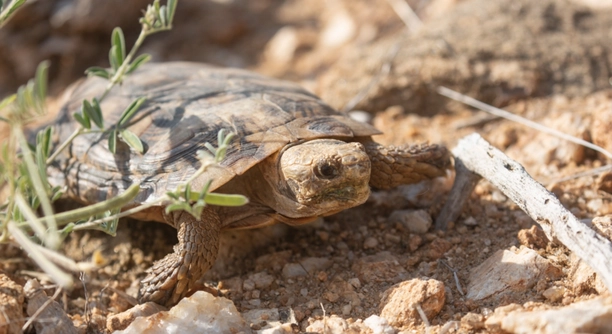
Pancake tortoises are unique and fascinating creatures. Their health and well-being are crucial to ensuring they live long and happy lives in your care. Understanding how to support their needs can lead to a healthier tortoise.
Improving the overall health of your pancake tortoise involves a combination of proper habitat, diet, and regular care. Focusing on their environment, hydration, diet variety, and exercise can greatly enhance their quality of life and longevity.
With these simple tips, you’ll find ways to support their health, providing them with the best care possible for a thriving tortoise.
Provide a Comfortable Habitat
The first step in keeping your pancake tortoise healthy is making sure their habitat meets their needs. A spacious enclosure with adequate heating, humidity, and proper lighting is essential. These tortoises naturally live in arid, rocky environments, so replicating this as closely as possible will help them feel at ease. Use a substrate that mimics their natural surroundings, such as coconut fiber, and ensure they have places to hide when they feel stressed. A basking spot with a heat lamp is also important for thermoregulation.
A comfortable environment allows your tortoise to thrive, aiding in better digestion, sleep, and overall health. Avoid overcrowding, as this can create stress.
In addition to these basic requirements, make sure the enclosure is large enough for your tortoise to move around freely. They enjoy climbing and exploring, so providing rocks or logs for enrichment can promote natural behaviors. Adding a shallow water dish will help with hydration, as pancake tortoises tend to drink infrequently, but they still need access to water.
Offer a Balanced Diet
Providing a balanced diet is key to your tortoise’s health. Offer a variety of leafy greens and vegetables to meet their nutritional needs. Fresh dandelion greens, clover, and grass are good options. Avoid feeding them fruit regularly, as it can be too sugary.
To ensure your tortoise is getting everything it needs, sprinkle calcium powder on their food once a week. This supports shell development and prevents deficiencies.
A proper diet also contributes to your tortoise’s energy levels, helping them stay active and engaged in their environment. You may also want to provide occasional mealworms or crickets as an extra protein source. Just be sure they’re appropriate for your tortoise’s size to avoid overfeeding.
Maintain Proper Temperature and Humidity
Pancake tortoises thrive in warm environments, so it’s important to maintain consistent temperatures. Their basking area should range from 95°F to 100°F, while the cooler side of their enclosure should be around 75°F to 80°F. Proper humidity levels should also be maintained at around 50% to 60%.
Monitor temperature and humidity with thermometers and hygrometers placed in different areas of the enclosure. Use a heat lamp to create a basking spot for your tortoise, and ensure the cooler side offers a comfortable retreat. Humidity can be managed with misting or a humidity box, especially if your area is naturally dry.
Consistent temperature and humidity levels help prevent health issues like dehydration, shell deformities, and poor digestion. If the temperature drops too low, your tortoise may become sluggish or stressed, leading to a weakened immune system. Regular monitoring and adjustments as needed will ensure a comfortable environment year-round.
Hydrate Regularly
Water is vital for your pancake tortoise’s overall well-being. Although they don’t drink as much as other reptiles, it’s essential to provide fresh water daily. A shallow water dish should be placed in the enclosure, and it’s a good idea to lightly mist the environment to keep the air moist.
Dehydration can lead to health problems such as kidney issues, difficulty shedding, or even death. Ensure your tortoise has easy access to water, but make sure the dish is not too deep, as they may struggle to drink from it.
Keep the water clean by changing it daily to prevent bacteria buildup. If your tortoise is not drinking on its own, you can gently soak it in warm water for 10-15 minutes to encourage hydration. This can also assist with shell health and help your tortoise feel more comfortable.
Encourage Regular Exercise
Pancake tortoises need plenty of space to move around. Providing a large enclosure encourages natural behaviors like climbing and exploring, which helps them stay physically fit. Ensure the space includes rocks or logs for them to climb on.
Exercise is vital for preventing obesity and keeping your tortoise healthy. It also supports digestion and promotes shell strength. A lack of movement can lead to sluggishness and health problems, so allow your tortoise to roam freely within a safe environment.
The more opportunities your tortoise has to explore, the better their overall health will be. Enrichment activities like hiding food or adding new structures can keep them active and engaged.
Regular Health Check-ups
It’s essential to check your tortoise regularly for signs of illness. Look for changes in behavior, such as reduced movement, loss of appetite, or lethargy. These can be signs of a health issue.
A regular health check-up can help catch problems early. Look for shell abnormalities, signs of respiratory distress, or any changes in their skin or eyes. If you notice anything unusual, it’s best to consult a vet who specializes in reptiles.
Keep the Enclosure Clean
A clean habitat is crucial for your tortoise’s health. Regularly remove uneaten food, soiled bedding, and waste to prevent bacterial growth. A dirty environment can lead to infections or stress for your tortoise.
Clean the enclosure at least once a week, replacing bedding and wiping down surfaces. This helps maintain a healthy living space for your tortoise.
FAQ
How often should I feed my pancake tortoise?
Feed your pancake tortoise every other day, offering a variety of fresh leafy greens and vegetables. Avoid overfeeding and offer smaller portions to prevent obesity. The goal is to provide enough food to maintain a healthy weight and ensure they get a balanced diet.
Can pancake tortoises eat fruit?
Fruits should be offered in moderation. While pancake tortoises can eat fruits like strawberries, mango, and melon, it’s important to limit them due to their high sugar content. Too much fruit can upset their digestive system and cause obesity. Stick to small amounts as an occasional treat.
What temperature should my pancake tortoise’s habitat be?
The basking area should be kept at 95°F to 100°F, while the cooler side of the habitat should stay between 75°F to 80°F. These temperatures help your tortoise regulate its body heat and maintain overall health. Use a thermometer to monitor the temperature daily.
Do pancake tortoises need UVB lighting?
Yes, pancake tortoises need UVB lighting to help them synthesize vitamin D3, which is essential for calcium absorption. A UVB bulb should be placed in the basking area to ensure your tortoise receives adequate exposure. Change the bulb every 6 months, as UVB output decreases over time.
Can I keep more than one pancake tortoise together?
It is generally best to keep one pancake tortoise per enclosure. While some may tolerate others, they are territorial animals and could become stressed or aggressive, especially if resources like food and space are limited. If you choose to house multiple tortoises, ensure the enclosure is large enough to minimize conflicts.
How do I know if my pancake tortoise is sick?
Signs of illness in pancake tortoises include loss of appetite, lethargy, wheezing, discharge from the eyes or nose, shell abnormalities, or difficulty moving. If you notice any of these symptoms, it’s important to consult a veterinarian familiar with reptiles as soon as possible.
How do I clean my pancake tortoise’s habitat?
Clean the habitat regularly by removing uneaten food and waste. Once a week, replace the substrate and thoroughly wipe down surfaces with a reptile-safe disinfectant. Make sure the water dish is cleaned daily to prevent bacterial buildup. Regular cleaning ensures a healthy environment for your tortoise.
What should I do if my pancake tortoise isn’t eating?
If your tortoise refuses food, it may be a sign of stress, illness, or improper environmental conditions. Check the temperature, humidity, and lighting in the habitat. If everything is correct and the tortoise still isn’t eating, consult a reptile vet for further evaluation.
How long do pancake tortoises live?
Pancake tortoises can live for 30 to 50 years or even longer with proper care. Their lifespan depends on factors like diet, habitat, and general health. Providing consistent care will help ensure they live a long, happy life.
Can I take my pancake tortoise outside?
Yes, you can take your pancake tortoise outside for supervised outdoor time, but only in warm weather. Make sure the area is safe and secure, free of predators, and free from toxic plants. Always keep an eye on your tortoise to prevent escapes or accidents.
What kind of substrate is best for a pancake tortoise’s enclosure?
A mixture of coconut fiber, soil, and sand is ideal for your pancake tortoise’s enclosure. This combination mimics the natural environment of the tortoise and helps maintain proper humidity levels. Avoid using wood chips or cedar, as these can be harmful to reptiles.
Do pancake tortoises need a water dish?
Yes, pancake tortoises need a shallow water dish available at all times for drinking and soaking. Although they don’t drink as frequently as some reptiles, they need access to fresh water to stay hydrated. Make sure the water dish is shallow enough for easy access without the risk of drowning.
How can I ensure my pancake tortoise stays active?
Encourage your tortoise to stay active by providing plenty of space and enrichment. Adding climbing structures like rocks or logs, hiding food around the enclosure, and varying their environment can stimulate activity. A spacious and engaging habitat helps keep your tortoise physically fit and mentally stimulated.
What should I do if my pancake tortoise is shedding its skin?
Shedding is a normal process, but if your tortoise is struggling with shedding, it could be due to low humidity levels. Increasing the humidity or soaking the tortoise in lukewarm water for a short period can help the shedding process. Never forcibly remove shed skin, as it may cause injury.
How often should I change the bedding in the enclosure?
Change the bedding in your tortoise’s enclosure at least once a week, or sooner if it becomes soiled. This helps prevent the buildup of bacteria and ensures a clean, healthy living environment. Always choose a substrate that is safe and easy to clean.
Is it okay to keep my pancake tortoise in a glass tank?
While glass tanks are common for many reptiles, they may not be the best choice for a pancake tortoise. Glass tanks can be harder to maintain proper temperature and humidity levels, and they often lack the space needed for proper exercise. A large plastic or wooden enclosure is better suited to meet their needs.
Caring for a pancake tortoise requires attention to detail, but it doesn’t have to be difficult. By creating a suitable habitat, offering a balanced diet, and maintaining proper temperature and humidity, your tortoise can live a healthy and happy life. Regular exercise and proper hydration are also important to ensure their overall well-being. It’s important to remember that these tortoises have specific needs, and meeting them will make all the difference in their health.
Being proactive in monitoring their health is key. Watch for any signs of illness, such as a loss of appetite or changes in behavior, as early detection is crucial for effective treatment. Keeping their living environment clean and providing regular health check-ups will help prevent issues before they become serious. With a bit of effort and routine care, your pancake tortoise will thrive in a healthy, safe space.
Finally, it’s important to remember that pancake tortoises can live for many years, sometimes even up to 50 years. This means they require long-term commitment and care. By following the simple tips outlined in this article, you can give your tortoise the best chance for a long and healthy life. Ensuring they have everything they need, from proper diet to a comfortable living environment, will make all the difference in their well-being.

Hello,
If you enjoy the content that we create, please consider saying a "Thank You!" by leaving a tip.
Every little bit helps us continue crafting quality advice that supports the health, happiness, and well-being of pets around the world, for pets of all shapes, sizes, and species.
We really appreciate the kindness and support that you show us!