
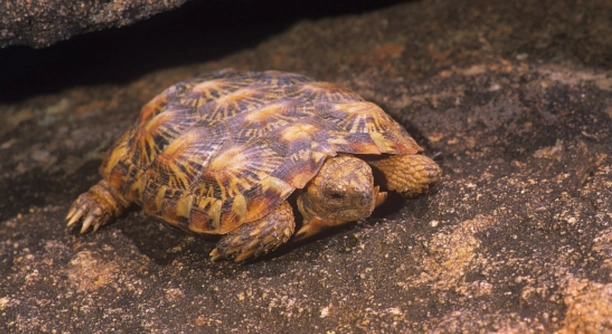
Pancake tortoises are fascinating creatures, but their unique shells require special care. Even small changes in their environment can cause harm. It’s important to know the factors that might affect their health and shell integrity.
Several factors can cause a pancake tortoise’s shell to crack. These include poor diet, physical injury, stress, improper temperature, dehydration, overcrowding, and rough handling. Consistent environmental care is essential to avoid shell damage and ensure their well-being.
Understanding these factors will help you protect your pancake tortoise and maintain its health. Keep reading to learn more about how to care for them properly.
Diet and Nutritional Imbalances
A pancake tortoise’s shell can suffer from cracks if it isn’t receiving the right nutrients. Poor diet, especially lacking in calcium and other essential minerals, weakens the shell. A diet rich in leafy greens, high-quality pellets, and calcium supplements ensures that the tortoise’s shell stays strong and healthy. Without these, the shell may become brittle, increasing the risk of damage.
It’s important to avoid overfeeding fruits, as they can upset the balance of their diet.
Make sure to offer a variety of foods that promote overall health. Feeding too many high-protein or sugary items can lead to unhealthy growth and weakening of the shell. A balanced diet helps maintain their overall condition, which in turn protects their shell from cracking. When diet is properly managed, your pancake tortoise is much less likely to develop issues related to shell health.
Stress and Environmental Conditions
Stress is another factor that can impact your tortoise’s shell.
A stressful environment, such as overcrowding or constant disturbances, can weaken their immune system and affect their shell’s strength. Excessive handling or not having enough space to roam can also lead to stress-related damage. Ensuring your tortoise has a calm, spacious habitat can help prevent these issues.
The temperature should also be regulated. Too much heat or too cold conditions can cause physical stress and impact their shell. Proper heating, humidity, and lighting are vital for a healthy environment. These factors contribute to the overall well-being of your pancake tortoise, making sure it thrives without unnecessary strain on its shell.
Physical Injury
Accidental injuries are a common reason for a pancake tortoise’s shell cracking. Dropping them or letting them fall from high places can cause significant damage. These tortoises have delicate shells, so even a small impact can lead to fractures or chips.
To avoid this, always handle them gently and ensure their habitat has secure, low-lying surfaces. Be mindful of their movements when cleaning their enclosure or during feeding time. Protecting them from falls and bumps will reduce the risk of shell injuries.
While pancake tortoises are resilient, repeated physical damage can eventually weaken their shells, leading to cracks. By creating a safe and stable environment, you can help prevent this type of injury. Additionally, being cautious when handling them will minimize the risk of trauma to their shells.
Dehydration
Dehydration can also lead to shell damage in pancake tortoises. Without enough water, their shells lose the necessary moisture to stay flexible and strong. Dry, brittle shells are more likely to crack under pressure.
Providing fresh water daily is essential for hydration. Make sure the water dish is always accessible, and regularly clean it to prevent contamination. Along with hydration, misting their habitat occasionally can help maintain proper humidity levels.
In dry environments, especially during hotter months, dehydration becomes more of a concern. Keeping the enclosure slightly humid will ensure the tortoise stays hydrated, preventing stress on its shell. Proper hydration is a simple yet crucial factor in shell care, maintaining strength and flexibility.
Overcrowding
Overcrowding in their enclosure can cause stress and shell damage. Too many tortoises in one space leads to competition for resources, causing anxiety and physical harm.
A well-sized, spacious habitat will allow them to move freely and reduce any territorial conflicts. Ensure the enclosure is big enough to give each tortoise its own space to thrive.
Rough Handling
Handling your pancake tortoise too often or roughly can lead to shell cracks. It’s important to treat them gently.
Always hold them securely and avoid squeezing. When interacting, keep it calm and brief to avoid stress and potential harm. Gentle handling promotes their well-being and keeps their shells intact.
Temperature Fluctuations
Pancake tortoises are sensitive to temperature changes, which can harm their shell. Extreme heat or cold can cause cracks or weakening.
Maintain a stable temperature in their enclosure by using proper heating lamps or ceramic heaters. Ensure the environment mimics their natural habitat, with a temperature range that’s comfortable and consistent.
FAQ
What should I do if my pancake tortoise’s shell cracks?
If you notice a crack in your tortoise’s shell, it’s important to act quickly. First, check for any signs of infection, such as swelling, discharge, or an unpleasant odor. If these symptoms appear, seek veterinary help immediately. For minor cracks, you can clean the affected area with a mild antiseptic and keep it dry. Avoid allowing the tortoise to move around too much until it has healed. A vet may provide further instructions on how to care for the shell and prevent additional damage.
Can I use super glue to fix a cracked shell?
While it might seem like an easy solution, using super glue or any other adhesive to seal a cracked shell is not recommended. These glues can be toxic to tortoises and may cause more harm than good. Instead, it’s best to consult a veterinarian. They can offer safe methods, such as applying a special shell repair treatment or a bandage to prevent further damage and infection.
How can I prevent my pancake tortoise’s shell from cracking?
The key to preventing shell cracks is providing a proper, well-maintained habitat. Ensure the tortoise’s diet is balanced and rich in calcium. Adequate hydration and a stable temperature are also crucial. Handling your tortoise gently and avoiding overcrowding will reduce stress and physical harm. Providing a safe and comfortable living environment is the best defense against shell damage.
What type of food is best for my pancake tortoise’s shell?
To keep your pancake tortoise’s shell strong and healthy, offer a diet rich in leafy greens like collard greens, dandelion greens, and kale. You can also include safe flowers, grasses, and occasional fruit. Calcium is essential for shell health, so consider dusting food with a calcium supplement designed for reptiles. A balanced diet will ensure they grow properly and maintain strong, healthy shells.
Can temperature affect my pancake tortoise’s shell?
Yes, temperature plays a significant role in the health of a pancake tortoise’s shell. Extreme temperatures, either too hot or too cold, can cause stress and lead to cracks or other shell issues. It’s crucial to maintain a consistent and comfortable temperature within their enclosure. Ensure there is a warm basking area with controlled heat, as well as a cooler area for resting. Aim for a temperature range of 75–85°F (24–29°C) during the day, and slightly cooler at night.
How can I make sure my pancake tortoise stays hydrated?
Hydration is key for a healthy shell. Provide fresh water daily, ensuring that it’s clean and accessible. You can also lightly mist their habitat to maintain proper humidity levels. Make sure the water dish is shallow enough for your tortoise to drink from comfortably but deep enough to prevent spilling. Occasionally soaking your tortoise in lukewarm water can also help if you notice signs of dehydration.
Is it normal for a pancake tortoise’s shell to be soft?
A soft shell is not normal for a pancake tortoise and can be a sign of nutritional deficiency or dehydration. Calcium is essential for hardening their shell, and without it, the shell may become weak and pliable. If your tortoise’s shell is soft, check its diet and hydration levels immediately. Calcium supplements and proper hydration should help, but it’s a good idea to consult a vet for a more thorough evaluation.
How often should I handle my pancake tortoise?
It’s best to handle your pancake tortoise sparingly. Excessive handling can cause stress, which in turn affects their health, including the condition of their shell. Limit handling to short, gentle sessions to prevent injury and stress. When you do handle your tortoise, make sure to support its body properly and avoid dropping or dropping them. A calm and quiet approach is always the safest.
What can cause my pancake tortoise to become stressed?
Several factors can cause stress in a pancake tortoise. Overcrowding, constant handling, sudden changes in their environment, or an inadequate habitat can all contribute. Stress can weaken their immune system and make them more susceptible to illness, including shell damage. To reduce stress, ensure your tortoise’s habitat is spacious, quiet, and stable, with proper lighting, temperature, and humidity levels.
How can I improve my pancake tortoise’s living space?
Improving the living space for your pancake tortoise is essential to its well-being. Start by providing enough room for them to move freely. Their enclosure should have hiding spots, a shallow water dish, and appropriate substrates like coconut husk or organic soil. Make sure to avoid sharp objects that could injure the shell and keep the environment clean and secure. A temperature gradient with a basking area will help your tortoise regulate its body heat properly.
Can I keep more than one pancake tortoise together?
Pancake tortoises are generally solitary animals and can become stressed in crowded conditions. It’s best to house them individually to avoid territorial disputes and competition for resources. If you do decide to house multiple tortoises together, make sure the enclosure is large enough to provide each tortoise with enough space. Watch for signs of stress or aggression and separate them if necessary.
Final Thoughts
Taking care of a pancake tortoise requires attention to detail and consistency. Their unique shells, while striking, are vulnerable to damage if not properly maintained. By ensuring they have the right habitat, a balanced diet, and regular gentle handling, you can help prevent shell cracks and keep them healthy. It’s important to monitor their environment closely, as temperature fluctuations, overcrowding, and improper handling can all lead to issues. With the right care, your pancake tortoise will thrive and show the strength of its shell for many years.
The main factors in preventing shell cracks are proper care and awareness. Ensure your tortoise has enough space to roam freely, as a cramped living space can cause stress and physical harm. Keep an eye on their diet, as a lack of calcium or hydration can weaken their shells. Regular vet checkups are also essential, especially if you notice any changes in behavior or shell condition. While it may take some effort, maintaining a stable and safe environment is crucial for your tortoise’s long-term well-being.
Finally, be patient with your pancake tortoise. They are slow-moving and sometimes fragile, so it’s important to take things at their pace. If you notice any cracks or unusual behavior, don’t hesitate to seek help from a veterinarian. Understanding your tortoise’s needs and acting quickly when something goes wrong is the best way to ensure they stay healthy and strong. With the right approach, your pancake tortoise will not only have a beautiful shell but also a happy, stress-free life.

Hello,
If you enjoy the content that we create, please consider saying a "Thank You!" by leaving a tip.
Every little bit helps us continue crafting quality advice that supports the health, happiness, and well-being of pets around the world, for pets of all shapes, sizes, and species.
We really appreciate the kindness and support that you show us!