
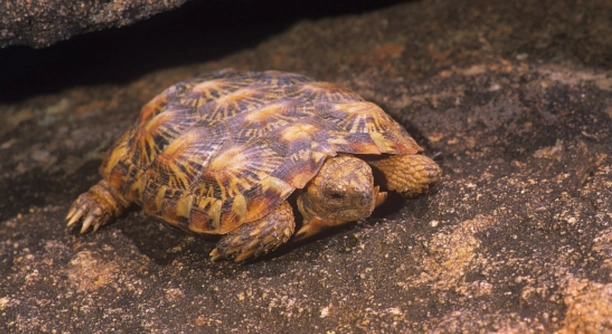
Pancake tortoises are unique creatures, known for their delicate sleep patterns. Understanding their needs can help ensure they get the rest they require to thrive. With the right steps, you can improve their sleep cycle and overall well-being.
To enhance your pancake tortoise’s sleep cycle, create a consistent environment with proper temperature, lighting, and minimal disturbances. This includes providing a suitable hide, ensuring a stable habitat, and observing their behavior to avoid stress or disruptions during rest periods.
By focusing on these steps, your pancake tortoise’s sleep will improve, leading to a healthier and happier pet.
Create the Right Environment
A peaceful, stable environment plays a major role in improving your pancake tortoise’s sleep cycle. Ensuring their habitat mimics their natural surroundings helps them feel safe and secure. Proper heating is crucial since these reptiles need warmth to regulate their bodies. Make sure the temperature in their enclosure is consistent, ideally ranging from 80 to 90 degrees Fahrenheit during the day, and a slight drop at night.
It’s also important to offer them hiding spots where they can retreat and rest undisturbed. These spaces provide security, allowing them to feel safe when they want to rest. Avoid placing their tank in areas with heavy foot traffic, as constant movement can cause stress and disrupt their sleep.
Lastly, minimize bright lights during the night. Use low-light options or red light bulbs, as harsh lighting can interrupt their circadian rhythm. This setup allows them to rest comfortably without feeling exposed or disturbed, which ultimately leads to better sleep quality.
Set a Consistent Routine
Just like humans, pancake tortoises thrive on routine. A consistent schedule for feeding, light exposure, and even playtime can encourage better sleep patterns. They are more likely to follow a regular sleep schedule if their environment is predictable.
Make sure to feed them at similar times each day to avoid confusing their internal clock. You can also establish a sleep routine by dimming the lights around the same time each evening, signaling to them that it’s time to wind down. Over time, they will adapt to these routines, improving their sleep.
Minimize Stress
Stress can severely impact your pancake tortoise’s sleep. Constant disturbances or changes in their environment make it harder for them to feel secure and rest properly. It’s important to avoid loud noises or sudden movements near their habitat. Tortoises are sensitive creatures, and excessive handling or unfamiliar surroundings can cause anxiety, disrupting their sleep.
To minimize stress, create a stable environment with minimal handling. Keep the enclosure away from noisy areas, and limit the number of people or animals near it. This provides a quiet, calm space where your tortoise can rest and feel safe. Avoid rearranging their habitat frequently, as this can also cause them stress and interfere with their sleep.
If your tortoise shows signs of anxiety or agitation, consider giving them more time to settle into their environment. Be patient and gentle as you work toward building a calming routine that helps reduce stress.
Provide Proper Nutrition
The food you provide affects your pancake tortoise’s health and sleep. A balanced diet plays a key role in regulating their sleep cycle, as proper nutrition helps maintain their energy levels. Ensure they are eating a variety of leafy greens, vegetables, and high-quality pellets to meet their dietary needs.
Overfeeding or offering the wrong types of food can lead to health issues and disrupted sleep. Keep track of their feeding schedule and avoid offering large amounts of food at once. You should also avoid feeding them too late in the day, as digestion can interfere with their ability to sleep. Proper hydration is just as important as their diet, so make sure they always have access to fresh water.
By maintaining a healthy and balanced diet, you support your pancake tortoise’s well-being and enhance their ability to rest. Keep an eye on their eating habits to ensure they are getting the nutrients they need to stay healthy.
Control Light Exposure
Too much light can disturb your pancake tortoise’s natural sleep cycle. They need a period of darkness to feel comfortable enough to rest properly. Using natural lighting patterns or a timer for their lights can help regulate their sleep.
Ensure they have a dark, quiet space to rest at night. Avoid leaving bright lights on near their enclosure, especially when it’s time for them to sleep. Consider using low-level lighting or red bulbs that are less likely to interfere with their sleep.
A regular light schedule that mimics day and night cycles will help your tortoise maintain a natural rhythm.
Avoid Overhandling
While it’s tempting to interact with your pancake tortoise, too much handling can disrupt their sleep. It’s important to give them time to rest without being disturbed. Overhandling can cause unnecessary stress, especially when they are trying to sleep or settle into their habitat.
A good rule of thumb is to handle them only when necessary. Allow your tortoise to rest undisturbed, especially during the nighttime or when they retreat to their hide.
Limit contact and avoid disturbing them during their sleep periods to ensure they remain comfortable.
Ensure Proper Humidity
Humidity plays a role in your pancake tortoise’s overall health and sleep. Too much or too little moisture in the environment can cause discomfort, which can affect their ability to rest. Ideally, their habitat should have humidity levels between 40-60%.
Monitor the humidity regularly and adjust the environment accordingly. You can increase humidity by adding a shallow water dish or misting their enclosure, but avoid making it too damp. Too much moisture could cause health issues, like respiratory problems.
Maintaining proper humidity ensures your tortoise feels comfortable and can sleep without any environmental disruptions.
FAQ
How can I tell if my pancake tortoise is getting enough sleep?
You can usually tell if your pancake tortoise is well-rested by observing its behavior. A healthy tortoise will be active during the day and rest quietly at night. If they are frequently lethargic or overly active at odd times, it could be a sign of disrupted sleep patterns. Ensure their environment is calm and comfortable to help regulate their rest.
Is it normal for my pancake tortoise to sleep a lot?
Yes, pancake tortoises, like other reptiles, spend a lot of time resting. They are more active during the early morning or late afternoon, but generally, they sleep during the night or when the temperature drops. This is completely normal as long as they wake up for food and seem generally healthy.
What can cause my pancake tortoise to have poor sleep?
Poor sleep can be caused by a few factors. Excessive light exposure, temperature fluctuations, stress from handling or disturbances, or an inadequate habitat can disrupt their sleep cycle. Environmental factors like humidity and diet can also play a role. Ensure their habitat is stable, quiet, and consistent to promote restful sleep.
Can I improve my tortoise’s sleep by adjusting the temperature?
Yes, temperature plays a huge role in your pancake tortoise’s sleep. They require a temperature range of 80-90°F during the day with a slight decrease at night. If the enclosure is too hot or too cold, they may struggle to rest properly. Make sure to provide a heat source that keeps the enclosure within this range.
How much light should my pancake tortoise get daily?
Your pancake tortoise needs about 10-12 hours of light each day. Exposure to natural daylight is ideal, but if this isn’t possible, a UVB light can be used to simulate sunlight. This helps regulate their sleep cycle and provides essential vitamin D3, which is important for their overall health.
Should I provide a hide for my pancake tortoise to sleep in?
Yes, providing a hide is essential for your tortoise’s rest. It gives them a secure, quiet place to retreat when they feel the need to sleep or take shelter. Make sure the hide is large enough for them to comfortably fit inside, and that it is located in a quiet part of the enclosure.
How do I reduce stress that affects my pancake tortoise’s sleep?
Reducing stress can be done by creating a stable, quiet environment. Limit handling and keep the enclosure free from loud noises or sudden changes. It’s important not to overfeed or disturb your tortoise during their rest time. Being patient and understanding their needs will help minimize stress.
Can I use a light timer to regulate sleep?
Yes, a light timer is a helpful tool in regulating your pancake tortoise’s sleep cycle. By setting the timer to turn on and off at consistent times, you can ensure that their light exposure is controlled. This will help mimic a natural day and night cycle, which is crucial for their sleep pattern.
What type of bedding is best for my pancake tortoise’s sleep?
For bedding, it’s best to use something that is easy to clean and provides a natural feel. Coconut coir, aspen shavings, or reptile carpet work well. Avoid using sand or gravel, as they can irritate your tortoise’s skin and cause health issues. A soft, dry surface will help them feel comfortable while resting.
Should I feed my pancake tortoise right before bed?
No, it’s not recommended to feed your pancake tortoise right before bed. Allow some time between feeding and bedtime to help with digestion. Feeding too late in the day can cause discomfort and may interfere with their ability to fall asleep. Try to feed them in the morning or early afternoon instead.
Final Thoughts
Improving your pancake tortoise’s sleep cycle is essential for their overall well-being. Like all animals, they rely on rest to stay healthy and active. By providing a stable environment, controlling light exposure, and maintaining the proper temperature, you can create an ideal space for your tortoise to sleep. Addressing stress and offering a balanced diet will also contribute to their ability to rest peacefully.
It’s important to remember that tortoises are naturally adapted to quiet, stable environments. Any changes in their habitat, such as excessive noise, handling, or incorrect temperature, can disrupt their sleep patterns. Giving them space to settle into their routine and providing a safe, comfortable place to rest will help them maintain their natural sleep cycle. Keep in mind that patience and consistency are key when trying to improve their rest.
By following these steps, you will support your pancake tortoise in getting the sleep they need to thrive. Remember to monitor their behavior and environment regularly. When their needs are met, your tortoise will be healthier and more active, ensuring that they lead a happy life in your care.

Hello,
If you enjoy the content that we create, please consider saying a "Thank You!" by leaving a tip.
Every little bit helps us continue crafting quality advice that supports the health, happiness, and well-being of pets around the world, for pets of all shapes, sizes, and species.
We really appreciate the kindness and support that you show us!