
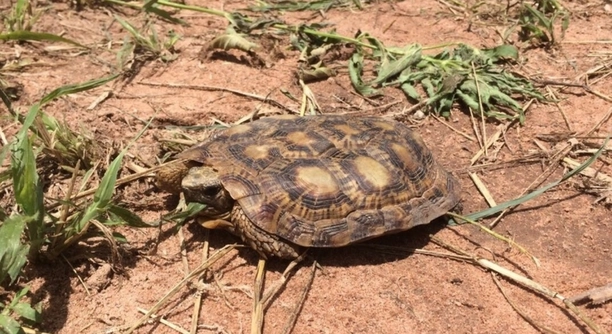
Pancake tortoises are unique reptiles known for their flattened shells and calm demeanor. However, if yours seems unusually lethargic, there could be several factors contributing to their lack of energy. It’s important to assess their environment and health.
The most common reason for a pancake tortoise’s laziness is stress or environmental factors, such as inadequate heat, humidity, or space. Tortoises are highly sensitive to temperature changes and may exhibit lethargy if their habitat is not ideal.
Understanding these factors will help you identify potential causes and improve your tortoise’s overall well-being.
Stress and Environmental Factors
One of the main reasons your pancake tortoise might be acting lazy is stress. Stress can occur when your tortoise is not comfortable in its environment. A lack of appropriate space, hiding spots, or incorrect temperature and humidity levels can make your tortoise feel uneasy. This, in turn, can lead to lethargy as they retreat into their shell or remain inactive. It’s essential to create an environment that mimics their natural habitat, providing warmth, proper humidity, and a suitable enclosure size.
A pancake tortoise’s natural habitat includes rocky areas with a consistent temperature. If your tortoise is in an area with fluctuating heat or cold, it may not feel motivated to move around. Ensuring that your pet’s environment stays within the ideal range will help keep them active.
In addition to temperature, humidity plays a crucial role in their well-being. If the air is too dry, your tortoise may become dehydrated, which can lead to inactivity and lethargy. Keeping humidity levels balanced in their enclosure is essential for maintaining their energy and overall health.
Diet and Nutrition
Another factor that could contribute to your tortoise’s laziness is diet. Pancake tortoises are herbivores, and their food intake directly impacts their energy levels. If they are not getting the right nutrients, they may become sluggish. Ensure that your tortoise has a variety of leafy greens, such as collard greens, dandelion greens, and hibiscus flowers. These provide the necessary vitamins and minerals to maintain a healthy, active lifestyle.
Feeding them an imbalanced diet can lead to deficiencies, especially in calcium and fiber, which may result in a lack of motivation to move. Regularly providing fresh food will not only keep your tortoise energized but will also promote healthy digestion and stronger shells.
Temperature and Humidity
If your tortoise’s enclosure is too hot or too cold, they may become lethargic. A pancake tortoise requires a temperature gradient, with a warm side of the habitat reaching 90°F (32°C) and a cooler side around 70°F (21°C). Without proper warmth, they cannot digest food effectively, leading to sluggish behavior. Make sure to use a reliable thermometer to monitor these temperatures throughout the day and night.
Humidity is equally important. Too little moisture in the air can dry out their skin and affect their energy levels. It’s best to keep the humidity between 50-70% in their enclosure. Regular misting and a water dish for drinking will help maintain the right balance, encouraging healthy activity.
Illness or Injury
If your pancake tortoise is acting sluggish, illness or injury might be at play. Infections, respiratory issues, or shell injuries can cause them to remain inactive. Look for signs like discharge from the eyes or nose, swollen limbs, or changes in eating habits. If you notice any of these, it’s essential to consult a veterinarian experienced with reptiles.
A tortoise’s slow movement or lack of interest in food can also be a sign of internal issues. Gastrointestinal problems or parasites can drain your tortoise’s energy. If their behavior changes significantly, seeking veterinary care is crucial for a proper diagnosis and treatment plan.
Overfeeding or Undernutrition
Overfeeding your pancake tortoise can lead to lethargy. Too much food, especially high-fat options, can cause your tortoise to become sluggish. Offering food that is too rich or high in calories may reduce their activity levels. Make sure to offer a balanced diet with appropriate portions to avoid this.
On the other hand, undernutrition can also result in lethargy. A lack of essential vitamins and minerals will drain their energy. Ensure your tortoise gets the right amount of food, with a focus on leafy greens, and consider supplementing with calcium to support their health.
Activity Level
Pancake tortoises are generally slow-moving creatures. However, if yours seems more inactive than usual, it may be due to a lack of stimulation in their environment. Make sure they have space to roam and climb, as their natural behavior includes exploring rocky terrains. Enriching their habitat with items like rocks or logs can encourage them to move more.
Additionally, varying their daily routine can spark more energy. Try feeding them in different areas of the enclosure or providing more varied sources of entertainment. This can break up the monotony and encourage them to explore and remain active.
Seasonal Behavior
Seasonal changes can also affect a pancake tortoise’s activity levels. During cooler months, they may enter a state of brumation, which is similar to hibernation. They may eat less and move less. This behavior is natural and helps them conserve energy in response to colder temperatures.
FAQ
What should I do if my pancake tortoise is not eating?
If your tortoise isn’t eating, there may be several reasons. It could be due to stress, incorrect temperature or humidity, illness, or simply being too cold. Check the environmental conditions first to ensure they are within the ideal range. Also, make sure you’re offering fresh, appropriate food. If the issue persists, a trip to the vet may be necessary to rule out health problems.
How can I tell if my pancake tortoise is stressed?
Signs of stress in a pancake tortoise can include lethargy, hiding more than usual, loss of appetite, or excessive scratching at the sides of their enclosure. Environmental factors such as a cramped space, too much noise, or poor temperature and humidity can lead to stress. Addressing these factors can help reduce stress and bring your tortoise back to its normal behavior.
Is it normal for a pancake tortoise to be active during the night?
Yes, pancake tortoises are generally more active during the evening or early morning hours. They are not strictly nocturnal, but they may become more active in the cooler part of the day or night when the temperature is more suitable for them. If you notice activity during these times, it’s likely part of their natural behavior.
What temperature should my pancake tortoise’s enclosure be?
Pancake tortoises require a temperature gradient within their enclosure. The warm side should be about 90°F (32°C), and the cool side should be around 70°F (21°C). This allows them to regulate their body temperature by moving between the warmer and cooler parts of the habitat.
How often should I feed my pancake tortoise?
You should feed your pancake tortoise every 2 to 3 days. Overfeeding can lead to lethargy, while underfeeding can result in malnutrition. Offer a variety of leafy greens, flowers, and grasses, and avoid feeding them too much fruit. Always provide fresh, clean water.
Can I handle my pancake tortoise often?
Pancake tortoises generally tolerate handling but may become stressed if handled too frequently. It’s best to allow your tortoise time to adjust to its environment before handling it regularly. When you do handle it, be gentle and avoid holding them for extended periods.
What kind of substrate should I use for my pancake tortoise’s enclosure?
A safe substrate for a pancake tortoise includes a mix of coconut coir, organic topsoil, or a sand and soil mixture. The substrate should be dry but able to retain some moisture for humidity. Avoid using pine or cedar shavings, as these can be harmful to your tortoise.
Can I use a heat lamp for my pancake tortoise?
Yes, using a heat lamp is essential to maintain the proper temperature in your tortoise’s enclosure. Ensure the lamp is placed on one side of the enclosure to create a temperature gradient, allowing your tortoise to move to the cooler side when needed. Avoid placing the lamp too close to the tortoise to prevent overheating.
Why is my pancake tortoise’s shell soft?
A soft shell can be a sign of calcium deficiency, improper diet, or inadequate UVB lighting. Ensure that your tortoise is getting enough calcium through its diet and consider adding a calcium supplement. UVB light helps them synthesize vitamin D3, which is essential for shell health.
How can I improve my pancake tortoise’s habitat?
To improve your tortoise’s habitat, create an environment that mimics its natural rocky terrain. Use natural rocks, logs, or climbing structures to encourage movement and exploration. Also, make sure the enclosure has the correct temperature and humidity levels, and provide a clean water dish and appropriate food sources.
Should I bathe my pancake tortoise?
While not strictly necessary, occasional baths can help with hydration and hygiene. Soak your tortoise in shallow, lukewarm water for 15-20 minutes a few times a week. Always supervise them during baths to ensure they don’t become stressed or chilled. Never use water that’s too hot or cold.
Why is my pancake tortoise hiding so much?
Hiding is common behavior in tortoises, especially if they feel stressed, are not feeling well, or are adjusting to a new environment. If your tortoise is hiding more than usual, check its habitat to ensure the temperature and humidity are appropriate. If behavior persists, a vet checkup is recommended.
How do I know if my pancake tortoise is sick?
Signs of illness in a pancake tortoise include a lack of appetite, abnormal discharge from the eyes or nose, lethargy, or abnormal shell growth. If you notice any of these symptoms, it’s important to visit a reptile vet for a thorough examination and treatment.
Can I keep a pancake tortoise with other reptiles?
It’s generally not recommended to house a pancake tortoise with other reptiles, as they may become stressed or territorial. Tortoises can also carry diseases that might affect other reptiles. It’s best to keep them in their own space, where they can feel secure and comfortable.
What do pancake tortoises like to climb?
Pancake tortoises are natural climbers and enjoy exploring rocky surfaces. You can provide them with rocks, logs, and other climbing structures within their enclosure. This will encourage them to move more and provide mental and physical stimulation, which is important for their overall health and well-being.
How can I encourage my pancake tortoise to be more active?
Encouraging activity in a pancake tortoise involves creating an engaging environment. Provide rocks, logs, and plants for climbing and exploration. Change up their feeding routine by offering food in different areas of the enclosure. Also, ensure that their temperature and humidity levels are optimal for their energy levels.
How do I know if my pancake tortoise is brumating?
Brumation, similar to hibernation, occurs when temperatures drop. If your tortoise is eating less, moving less, or hiding more than usual during the colder months, it may be entering brumation. It’s a natural process and not typically cause for concern unless they stop eating for an extended period.
Final Thoughts
Caring for a pancake tortoise can be a rewarding experience, but it comes with its challenges. These unique reptiles require specific environmental conditions, such as the right temperature, humidity, and a proper diet. Keeping track of these factors can help ensure your tortoise stays healthy and active. Regularly monitor their habitat, and make adjustments when needed. With the right care, a pancake tortoise can thrive and live a long, healthy life.
Although pancake tortoises can be independent, they still need attention and proper handling. Over time, you’ll learn their habits and preferences, allowing you to provide them with a more tailored environment. Make sure to pay close attention to any changes in behavior, as this can often indicate a problem. If your tortoise seems less active, is hiding more often, or stops eating, it may be time to check the conditions of their enclosure or consult with a vet.
Finally, remember that patience is key. Every tortoise has its own personality and may require different care. While some may enjoy climbing and exploring their habitat, others may be more reserved. As you continue to care for your pancake tortoise, you’ll discover what makes it unique and how to keep it healthy and happy. Consistent care, the right environment, and a bit of patience will go a long way in making sure your pancake tortoise thrives.

Hello,
If you enjoy the content that we create, please consider saying a "Thank You!" by leaving a tip.
Every little bit helps us continue crafting quality advice that supports the health, happiness, and well-being of pets around the world, for pets of all shapes, sizes, and species.
We really appreciate the kindness and support that you show us!