
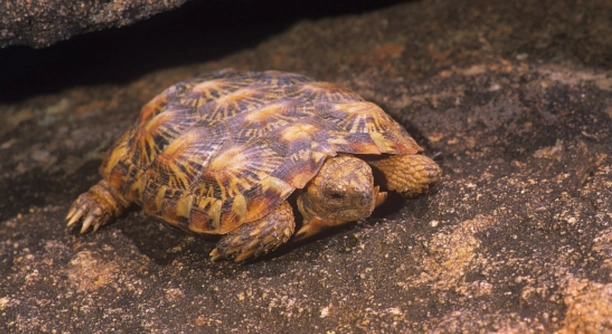
Pancake tortoises are fascinating creatures, but it’s important to monitor their health. An overly fat tortoise can face various health issues. Understanding the signs of weight problems is crucial for their overall well-being and longevity.
Excessive weight in pancake tortoises can be caused by overfeeding or a lack of proper exercise. The most effective way to determine if your tortoise is overweight is by observing its shell shape, movement, and overall behavior.
Recognizing when your pancake tortoise is too fat is essential for maintaining its health. Monitoring its diet and exercise can make a significant difference.
Understanding the Ideal Weight for Pancake Tortoises
Pancake tortoises, like all reptiles, thrive when kept at a healthy weight. Their shells are designed for a specific size, and excessive fat can distort their shape. This can lead to movement restrictions, causing discomfort or difficulty in finding food. A healthy tortoise should have a clear, distinct shape with a flat, streamlined shell. When overweight, the tortoise’s shell might appear rounder, which may affect its ability to move around properly.
Maintaining a healthy weight is key for a pancake tortoise’s overall health. Overweight tortoises may experience respiratory problems, decreased mobility, and difficulty in finding food. Regular weight checks can help identify early signs of weight gain, preventing long-term issues.
To keep a pancake tortoise in optimal condition, avoid overfeeding and offer a balanced diet of leafy greens. Monitor your tortoise’s activity levels as well. A lack of exercise contributes to weight gain and can worsen the health of an already overweight tortoise. Encourage movement through a larger habitat with varied terrain.
Recognizing the Signs of Weight Issues
If your pancake tortoise has trouble moving or appears lethargic, it could be a sign of excess weight. Being too heavy may lead to slower, more labored movements.
A well-balanced diet is crucial to prevent weight gain. Limit high-fat foods, and focus on leafy greens and vegetables.
The Importance of Diet in Weight Management
Diet plays a major role in controlling your pancake tortoise’s weight. Too many high-fat foods can quickly add extra pounds, which harms their health. Feeding a proper, nutrient-rich diet helps maintain the ideal weight.
Focus on providing leafy greens, such as collard greens or dandelion greens, which are low in calories and high in nutrients. Avoid feeding too much fruit, as it can be high in sugar. A small amount of protein from insects or worms can also be given occasionally. Offering a variety of vegetables ensures a well-rounded diet without adding unnecessary calories.
Consistent, controlled portions are key. Overfeeding or offering food too frequently can contribute to weight gain. Measure the food you offer and monitor your tortoise’s weight regularly. If it starts gaining too much weight, adjust the diet to provide fewer high-calorie foods. A proper diet not only keeps your tortoise slim but also ensures it gets the nutrients needed for overall health.
Encouraging Movement and Exercise
A sedentary pancake tortoise is more likely to gain excess weight. Encouraging your tortoise to move more is crucial for managing its weight. Provide a habitat that allows it to explore and stay active.
Create a space with obstacles, such as rocks or logs, where your tortoise can climb and navigate. This promotes physical activity, which is necessary for weight control. You can also gently encourage your tortoise to move by placing food in different areas of its habitat. This motivates it to search for food, which can lead to more movement and exercise.
Monitoring Weight Regularly
Weigh your pancake tortoise regularly to keep track of its health. Use a small digital scale and weigh it weekly to spot any significant changes.
Changes in weight may indicate potential issues with diet or exercise. Keeping a log of its weight will help you track any fluctuations over time.
Shell Shape and Structure
A well-maintained pancake tortoise will have a flat, smooth shell with a clear outline. If the shell begins to bulge or looks rounder than usual, it may be a sign of excessive weight.
Check the shape regularly to ensure it stays in its natural, flat form. Overweight tortoises will have a distorted shell, which can cause difficulty in movement.
FAQ
How can I tell if my pancake tortoise is overweight?
You can tell if your pancake tortoise is overweight by observing its shell shape. If the shell appears rounder than usual and lacks its natural flatness, it may be carrying extra weight. Also, if your tortoise is less active or struggling to move around, it could be a sign of weight issues. Regular weight checks are essential to track any significant changes.
What is the best diet for a pancake tortoise?
A well-balanced diet for a pancake tortoise includes leafy greens like collard greens, mustard greens, and dandelion greens. Vegetables such as squash, bell peppers, and carrots are also good options. Limit fruits as they are high in sugar and should be given only in moderation. Occasionally, you can offer protein, like insects or worms, but these should not make up a large portion of the diet.
How often should I feed my pancake tortoise?
Feed your pancake tortoise every day, offering enough food to last throughout the day without overfeeding. A good rule of thumb is to provide about 10-15% of the tortoise’s body weight in food daily. Avoid feeding too frequently, as overeating can lead to weight gain.
Can I feed my pancake tortoise fruit?
Fruits should be fed in moderation. Although they are tasty for your tortoise, fruits are high in sugar and can lead to obesity if given in large amounts. Small pieces of fruits like strawberries, bananas, or apples can be offered occasionally but should not make up a significant part of their diet.
How can I help my pancake tortoise lose weight?
To help your pancake tortoise lose weight, reduce its calorie intake by cutting back on high-fat foods and offering more low-calorie vegetables. Increase its physical activity by providing a larger habitat with obstacles to climb and explore. Monitor its weight closely and adjust its diet and exercise accordingly.
What size should my pancake tortoise be at different ages?
The size of a pancake tortoise will vary depending on its age and health. On average, pancake tortoises grow to be about 6 to 10 inches in length as adults. Young tortoises may start at about 2 inches. Ensure your tortoise is growing steadily and consistently, without drastic changes in size or weight.
Can my pancake tortoise become too active?
It is rare for a pancake tortoise to become too active. Overexertion is generally not a concern, as long as the habitat is safe and not stressful. Activity encourages a healthy weight and provides mental stimulation. However, ensure your tortoise is not exhausted by offering plenty of food and rest periods throughout the day.
How much space does my pancake tortoise need to stay active?
A pancake tortoise needs enough space to move freely, explore, and exercise. A habitat that is at least 4 feet long by 2 feet wide is recommended for adult tortoises. Larger spaces allow for natural movement and encourage more physical activity, which helps in weight management.
Should I provide supplements for my pancake tortoise?
Supplements should only be given if needed. A calcium supplement is often recommended to ensure proper shell and bone health, especially for younger tortoises. However, if your tortoise is eating a balanced diet, supplements may not be necessary. Always consult with a vet before introducing supplements.
Is it normal for a pancake tortoise to eat very little sometimes?
Yes, it’s normal for tortoises to eat less at certain times, especially during cooler months or if they are not feeling well. However, if your tortoise is consistently eating very little or showing signs of weight loss, it may be an indication of health issues. Ensure the environment is appropriate and monitor its behavior closely. If the lack of appetite persists, consult a vet.
Can I feed my pancake tortoise kale?
Kale can be offered to your pancake tortoise, but it should not be fed in excess. Kale is high in oxalates, which can interfere with calcium absorption if given in large quantities. It can be a part of their diet, but it should be balanced with other leafy greens to avoid any negative effects.
Final Thoughts
Managing the weight of your pancake tortoise is essential for its health and well-being. Just like any pet, proper care, including a balanced diet and enough exercise, plays a crucial role in ensuring it lives a long, healthy life. Monitoring your tortoise’s weight regularly is the first step to recognizing any signs of potential weight gain. Keeping track of changes helps to make adjustments to its diet or environment as needed.
Maintaining a healthy diet for your pancake tortoise is key. Offering a variety of leafy greens and vegetables while limiting high-sugar fruits is a simple way to ensure proper nutrition. It is important to avoid overfeeding and to keep portions consistent. A well-balanced diet helps prevent obesity, which can lead to more serious health issues, such as shell deformities or mobility problems. While treats like fruits and protein are fine in moderation, they should not be a regular part of its diet.
Providing an environment that encourages movement is just as important. Ensuring your tortoise has enough space to roam and climb helps keep it active and prevents it from becoming sedentary. Creating a habitat with obstacles or placing food in different areas of the enclosure encourages exploration, making exercise more enjoyable. By combining proper diet, regular weight checks, and a stimulating environment, you can ensure your pancake tortoise stays healthy and happy for many years.

Hello,
If you enjoy the content that we create, please consider saying a "Thank You!" by leaving a tip.
Every little bit helps us continue crafting quality advice that supports the health, happiness, and well-being of pets around the world, for pets of all shapes, sizes, and species.
We really appreciate the kindness and support that you show us!