
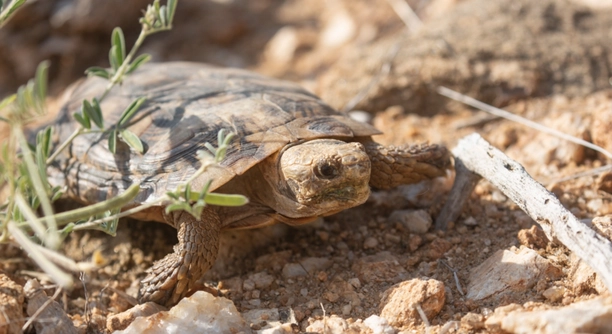
Uneven shells on your pancake tortoise can be concerning, but it’s not always a sign of a major issue. Various factors could affect the smoothness and appearance of their shell. Understanding these reasons can help you identify the cause.
Several factors can contribute to an uneven shell in pancake tortoises, including nutritional imbalances, improper habitat conditions, genetic predispositions, and previous injuries. Regular vet check-ups, proper care, and a balanced diet can help prevent further shell irregularities.
Addressing these causes ensures your tortoise’s shell remains healthy and your pet thrives.
Nutritional Imbalance
An improper diet is one of the main reasons for an uneven shell in pancake tortoises. These creatures need a well-balanced diet rich in calcium and other essential nutrients. Without the proper intake, their shells can become malformed or develop irregularities. For instance, insufficient calcium can lead to soft or uneven growth patterns in the shell. Inadequate vitamin D3 levels, necessary for calcium absorption, can also result in similar issues.
A lack of proper nutrition can weaken your tortoise’s overall health and cause further shell deformities. Feeding your pancake tortoise a diet consisting of a mix of leafy greens, grasses, and some fruits is crucial. Avoid overfeeding high-oxalate vegetables like spinach, as these can block calcium absorption. Make sure to include supplements if needed, especially if you’re using a commercial tortoise food.
Providing the right nutrition, alongside consistent access to clean water, supports proper growth. The correct balance can help prevent shell issues and promote healthy development over time.
Habitat Conditions
Pancake tortoises rely on a stable environment for growth and well-being. Temperature and humidity levels play an important role in shell health. If conditions are too dry or too wet, it can cause uneven growth.
A well-maintained habitat that mimics the tortoise’s natural environment encourages optimal health. Ensure the temperature is consistent, and that your tortoise has access to areas that allow them to regulate body heat. Provide appropriate hiding spots and climbing structures to encourage natural behavior.
Genetic Factors
Genetic predispositions can sometimes cause irregularities in a pancake tortoise’s shell. These tortoises may inherit traits that lead to naturally uneven growth. While some variations are harmless, others may be a sign of a deeper issue.
Understanding the role of genetics in shell formation is essential for determining how to manage your tortoise’s health. If a tortoise has a genetic flaw affecting its shell growth, it may require extra care. Ensuring proper nutrition and a stable environment can help mitigate any potential complications related to these inherited characteristics. However, there is little that can be done to alter genetic factors once they are present.
Though genetics may play a part, good care can help reduce the impact of inherited shell abnormalities. By maintaining an ideal environment and diet, you can give your tortoise the best chance for a healthy, well-formed shell despite genetic influences.
Previous Injuries
Any injury to your pancake tortoise, whether it was a recent accident or something that occurred when it was younger, can lead to uneven shell growth. Damage to the shell’s outer layers can result in abnormal scarring or growth patterns. This can make the shell look misshapen or uneven.
Tortoises are resilient and can heal from injuries, but the healing process can cause the shell to grow in an irregular way. If the injury affects the inner bone structure, it may cause more permanent changes to the shell’s shape. Always be cautious when handling your tortoise to avoid accidents and injuries.
If your pancake tortoise has experienced a shell injury, it’s important to monitor it closely. Depending on the severity of the damage, your tortoise may need additional care or veterinary attention to ensure proper healing and prevent complications.
Overfeeding and Obesity
Overfeeding your pancake tortoise can lead to obesity, which may cause uneven shell growth. Excessive weight can put pressure on their bones, affecting how the shell develops. Maintaining a balanced diet is key to preventing this issue.
Overweight tortoises may not move as much, which can lead to poor muscle development and an imbalanced shell. It’s important to provide the right amount of food and avoid feeding too often. Offering appropriate portions based on size and activity level will keep your tortoise healthy and support even shell growth.
Dehydration
Dehydration can lead to poor shell growth, making it appear uneven or cracked. When tortoises don’t drink enough water, their overall health suffers, and this shows in their shell.
Ensure that your tortoise always has access to clean water. If you notice any signs of dehydration, such as dry skin or less active behavior, try increasing water intake through soaking or misting.
FAQ
What can I do if my pancake tortoise’s shell is uneven?
If your pancake tortoise’s shell appears uneven, it’s essential to first assess the environment and diet. Ensure the habitat has the right temperature, humidity, and space. Provide a balanced diet with proper calcium and vitamin D3. If the shell’s condition doesn’t improve, consider consulting a vet to rule out any underlying health issues.
Can a damaged shell heal on its own?
A damaged shell can heal over time, but it depends on the severity of the injury. Minor cracks or chips may heal without intervention, especially if the tortoise is in good health. More severe injuries, such as deep cracks or broken bones, may require veterinary care to ensure proper healing and avoid infections.
How do I ensure my tortoise gets the right nutrition?
To provide the right nutrition, feed your pancake tortoise a variety of leafy greens, grasses, and some fruits. Avoid high-oxalate vegetables like spinach, which can interfere with calcium absorption. You can also use calcium supplements to ensure they’re getting enough of this vital nutrient, especially if you’re using commercial food.
How do I know if my tortoise is overweight?
A tortoise is considered overweight if it has difficulty moving or its shell appears stretched or out of proportion. You can check their weight by gently lifting them to see if they feel heavier than usual. Consult your vet to ensure your tortoise is at a healthy weight and receive recommendations for adjusting its diet if needed.
What should the temperature be in my tortoise’s habitat?
The temperature in your pancake tortoise’s habitat should range between 80-85°F (27-29°C) during the day, with a basking spot reaching up to 90°F (32°C). At night, the temperature can drop to around 70°F (21°C). This range ensures proper digestion and shell health.
Can a tortoise’s shell change shape as it grows?
Yes, a tortoise’s shell changes shape as it grows. This natural process can cause minor variations in the shape and appearance of the shell. However, if the changes seem extreme or occur suddenly, it may indicate an underlying health problem, such as a nutritional deficiency or injury.
How often should I feed my pancake tortoise?
Feed your pancake tortoise every other day to avoid overfeeding. Offering a variety of greens and occasional fruits will help maintain a healthy diet. Overfeeding can lead to obesity, which may affect shell development and overall health. Pay attention to their appetite, as it can vary with age and activity level.
What causes pyramiding in a pancake tortoise?
Pyramiding, which refers to the formation of raised, pyramid-like bumps on the shell, is often caused by improper diet, humidity, or temperature. If the tortoise does not receive enough hydration or proper nutrition, it can lead to abnormal shell growth. Maintaining proper environmental conditions and a balanced diet can help prevent pyramiding.
How can I prevent shell injuries in my tortoise?
Preventing shell injuries involves creating a safe environment for your tortoise. Avoid sharp objects, rough surfaces, or anything that may cause damage. Handling your tortoise with care and ensuring it doesn’t fall or get into risky situations can also help prevent shell injuries.
Is it normal for a pancake tortoise to have an uneven shell?
It can be normal for a pancake tortoise to have slight shell irregularities, especially during growth phases. However, noticeable or severe unevenness could signal an issue. Environmental factors like improper diet, incorrect humidity, or injury should be considered if the shell becomes significantly misshapen.
How can I improve the shell condition of my pancake tortoise?
To improve shell condition, focus on maintaining proper hydration, temperature, and humidity in the habitat. Ensure your tortoise has access to a nutritious diet rich in calcium. Regular veterinary check-ups can also help catch any underlying issues early, ensuring your tortoise’s shell remains healthy.
Should I be concerned if my pancake tortoise’s shell has cracks?
Cracks in the shell can be concerning, especially if they are deep or accompanied by other signs of distress, such as swelling or discharge. Small, superficial cracks may heal on their own with proper care, but significant damage requires immediate veterinary attention to prevent infections or further injury.
What should I do if my pancake tortoise isn’t eating well?
If your pancake tortoise isn’t eating well, first check the temperature and humidity of its environment, as these can affect appetite. Offer a variety of fresh, high-quality greens and ensure there’s no stress in the habitat. If the issue persists, consult a veterinarian for further evaluation.
How long does it take for a pancake tortoise’s shell to heal?
The healing time for a tortoise’s shell depends on the severity of the injury. Minor shell injuries can take a few weeks to a couple of months to heal, while more severe damage may take longer. Ensure your tortoise’s habitat is optimal for healing and seek veterinary advice if needed.
Can a pancake tortoise’s shell become deformed permanently?
If shell deformities are caused by factors like nutritional deficiencies or improper care, they can potentially be permanent. However, with proper attention to diet, habitat, and medical care, it is possible to manage and improve the condition. Early intervention can help prevent worsening deformities.
How can I tell if my pancake tortoise is sick?
Signs that your pancake tortoise may be sick include lack of appetite, lethargy, changes in behavior, or unusual shell appearance. If your tortoise is showing signs of illness, it’s important to consult a vet for diagnosis and treatment as soon as possible. Early detection is key to recovery.
Final Thoughts
Taking care of a pancake tortoise requires attention to its diet, environment, and overall well-being. An uneven shell is often a sign that something isn’t right in one of these areas. Common causes include poor nutrition, dehydration, or improper environmental conditions. Addressing these issues early on can prevent further complications and support your tortoise’s long-term health. Regular veterinary check-ups are also essential to ensure there are no underlying medical issues. If you notice any changes in your tortoise’s behavior or shell condition, seeking advice from a professional can help you take the necessary steps for recovery.
Maintaining the right balance of care, including appropriate humidity, temperature, and hydration, can make a significant difference in the appearance and health of your tortoise’s shell. Overfeeding, underfeeding, or lack of proper calcium can lead to uneven growth and deformities. Be mindful of these factors and adjust your care routine accordingly. While slight imperfections are normal during growth, anything beyond that should be monitored closely. Keeping your tortoise in an environment that mimics its natural habitat is crucial to its well-being, as is offering a varied and balanced diet.
In conclusion, ensuring the proper care of your pancake tortoise, from diet to habitat conditions, is essential for maintaining its shell health. Consistency is key when it comes to monitoring their environment and diet. With a little attention, you can help your tortoise thrive and enjoy a healthy, balanced life. Regular checks on your tortoise’s physical condition and shell will give you insight into its overall health, allowing you to act quickly should any issues arise. Remember that a small issue today can lead to bigger problems if ignored, so staying proactive is the best way to ensure your tortoise’s long-term well-being.

Hello,
If you enjoy the content that we create, please consider saying a "Thank You!" by leaving a tip.
Every little bit helps us continue crafting quality advice that supports the health, happiness, and well-being of pets around the world, for pets of all shapes, sizes, and species.
We really appreciate the kindness and support that you show us!