
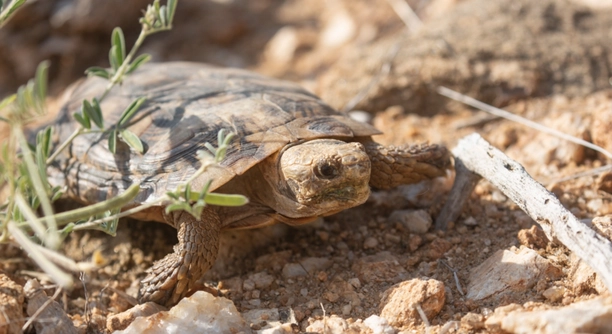
Pancake tortoises are wonderful pets, but they require regular grooming to maintain their health and well-being. Keeping their shell and skin in good condition is essential to their overall happiness and longevity in captivity.
Proper grooming for pancake tortoises includes regular shell cleaning, skin maintenance, and ensuring their habitat is suitable for shedding. Regular checks for signs of parasites and dehydration are also important to prevent health complications.
Following these steps will help keep your pancake tortoise healthy, comfortable, and happy in its environment.
Shell Cleaning and Maintenance
Keeping your pancake tortoise’s shell clean is one of the most important grooming tasks. Over time, dirt and debris can accumulate on the shell, causing irritation or even infection. Use a soft brush and lukewarm water to gently scrub the shell once a week. Be careful not to scrub too hard, as this could damage the delicate scutes, which are the outer layers of the shell. It’s also important to check for any cracks or signs of damage that may require attention.
A clean shell not only looks better but also helps to maintain your tortoise’s overall health. Make sure to dry the shell thoroughly after cleaning to avoid moisture buildup. If you notice any cracks or soft spots, consider consulting a veterinarian to ensure that no infection has set in.
Regular shell maintenance keeps your pancake tortoise in good condition and ensures their shell stays strong and functional. By staying on top of shell care, you help prevent more serious issues like fungal infections or shell rot.
Skin Care and Shedding
Pancake tortoises naturally shed their skin regularly. While this process is usually harmless, the shed skin can build up in hard-to-reach areas.
To keep your tortoise comfortable, it’s important to gently remove excess skin after shedding. Use a soft cloth or sponge to wipe away any flakes or dead skin. This helps prevent the buildup of old skin and keeps your tortoise’s skin soft and healthy. Be careful not to pull at any skin that hasn’t naturally shed, as this could cause irritation.
During the shedding process, it’s also essential to monitor the environment. Dry or overly humid conditions can lead to improper shedding, so maintain a balanced habitat. Ensure your tortoise has access to appropriate humidity levels and hydration to make the shedding process smoother.
Habitat Cleanliness
Your tortoise’s living space plays a big role in its health. A clean habitat helps reduce the risk of parasites and infections. Remove waste daily and clean the enclosure thoroughly once a week. Use non-toxic cleaning products to wipe down surfaces, ensuring there is no harmful residue left behind.
Regular habitat maintenance keeps your tortoise safe and comfortable. Ensure that the substrate is changed regularly to prevent the growth of harmful bacteria. A clean environment reduces stress and promotes better overall health. Make sure that the basking area is kept dry and free from waste to help your tortoise thrive.
The cleanliness of the habitat is directly related to the tortoise’s skin and shell health. By maintaining a sanitary environment, you help prevent unnecessary infections or irritations. Inadequate cleanliness can lead to fungal growth or respiratory issues, making regular cleaning an essential part of your tortoise’s care routine.
Hydration
Proper hydration is essential for your pancake tortoise’s well-being. Ensure that fresh, clean water is always available in their enclosure. Use a shallow dish to prevent drowning, but one that allows them to drink and soak comfortably.
Monitor how often your tortoise drinks, as dehydration can lead to serious health issues. Pancake tortoises are especially prone to dehydration because they live in arid environments, so keeping a consistent water source is crucial. Soaking them in shallow water for short periods can also help with hydration and aid in shedding.
In dry environments, consider adding a shallow water pool to the habitat. Regularly check the water levels and change the water to keep it fresh. Ensuring that the water is easily accessible helps maintain hydration levels, which is vital for their skin and overall health.
Nail Care
Pancake tortoises may require occasional nail trimming. Overgrown nails can affect their movement and cause discomfort. Use a small pair of clippers designed for reptiles and carefully trim the nails if needed.
Be cautious while trimming to avoid cutting too much. Trim just the tip, ensuring not to cut into the quick, which could cause bleeding. Regular nail checks can prevent overgrowth, keeping your tortoise mobile and comfortable.
Checking for Parasites
Parasites can be a serious concern for pancake tortoises. Regularly inspect your tortoise’s skin, shell, and inside its mouth for any signs of external or internal parasites. If you notice any unusual marks or behavior, consult a veterinarian for a checkup.
Parasites can lead to lethargy, loss of appetite, and other health issues if left untreated. If your tortoise shows signs of illness, early detection is key. Treating parasites quickly can prevent them from becoming a more severe problem. Be proactive in ensuring your tortoise stays free of parasites by regularly inspecting its health and keeping its habitat clean.
FAQ
How often should I clean my pancake tortoise’s shell?
Cleaning your pancake tortoise’s shell once a week is ideal. Gently scrub it with a soft brush using lukewarm water to remove dirt and debris. Be careful not to scrub too hard, as this can damage the shell’s surface. If the tortoise gets particularly dirty or muddy, clean it more frequently. Always dry the shell afterward to prevent moisture from accumulating, which could lead to fungal growth.
What can I do if my pancake tortoise isn’t shedding properly?
Improper shedding can be caused by inadequate humidity or dehydration. Ensure your tortoise has access to clean water at all times and consider soaking it in a shallow dish for short periods to help the process. If your tortoise continues to struggle with shedding, check the humidity levels in its enclosure. If shedding issues persist, it’s a good idea to consult a vet for advice.
How do I know if my tortoise is dehydrated?
Signs of dehydration in a pancake tortoise include sunken eyes, dry skin, and lack of appetite. If your tortoise is lethargic or doesn’t seem interested in drinking water, it may be dehydrated. Offer fresh water regularly and soak it in a shallow dish to encourage hydration. If symptoms worsen, seek veterinary advice.
Is it necessary to trim my tortoise’s nails?
While pancake tortoises do not require regular nail trims, you should monitor the length of their nails. If the nails become too long, they can cause discomfort and hinder movement. Trim the nails carefully with reptile-safe clippers, avoiding the quick to prevent bleeding. It’s essential to check the nails periodically to prevent overgrowth.
What temperature should I keep my tortoise’s enclosure?
Pancake tortoises need a temperature gradient in their enclosure, ranging from 85°F (29°C) in the cool end to 95°F (35°C) in the warm end. Providing a basking area with a heat lamp will ensure they can regulate their body temperature. Ensure that the temperatures do not fluctuate too drastically to avoid stress.
How much should I feed my pancake tortoise?
Feed your pancake tortoise a diet consisting of leafy greens, flowers, and vegetables. Offer food every two days, ensuring portions are appropriate for their size. A varied diet helps provide the necessary nutrients for a healthy tortoise. Avoid feeding them high-protein foods like meat, as this can harm their health.
Can I house more than one pancake tortoise together?
While it’s possible to house multiple pancake tortoises together, be cautious. Males can become territorial, especially during mating season, leading to aggression. To reduce stress and potential fighting, it’s advisable to house them separately unless they are a bonded pair. Monitor their behavior to ensure they aren’t fighting over space or food.
Why is my pancake tortoise not eating?
Loss of appetite in a pancake tortoise can be caused by stress, improper temperature, or illness. Check the temperature and humidity in the enclosure to ensure they are optimal for your tortoise’s needs. If the issue persists, a visit to the veterinarian may be necessary to rule out underlying health problems.
How do I handle my pancake tortoise safely?
When handling your pancake tortoise, always support its body, especially the shell, to avoid causing stress or injury. Avoid picking it up by the tail, as this can hurt the tortoise. Gently lift it with both hands and place it down slowly. Only handle your tortoise when necessary to minimize stress.
What should I do if my tortoise’s shell has a crack?
A cracked shell can be a serious issue, as it exposes the tortoise to infections. If you notice a crack, clean the area with mild soap and water, then apply a reptile-safe antiseptic. If the crack is deep, seek veterinary care immediately. Prompt treatment will help prevent complications from infections.
Final Thoughts
Caring for a pancake tortoise requires attention to their unique needs. A proper habitat with consistent temperature and humidity is essential for their well-being. Their diet should focus on leafy greens and vegetables, while ensuring they stay hydrated and healthy. Regular cleaning of their enclosure and periodic health checks will help prevent most common health issues. By understanding their natural behaviors and habitat preferences, you can provide the best environment for your tortoise to thrive.
Nail care, hydration, and checking for parasites are key aspects of keeping a pancake tortoise in good condition. Regularly inspect their shell, skin, and behavior to spot any signs of illness or discomfort. Make sure to trim their nails when necessary, as overgrown nails can affect their movement. Soaking your tortoise in shallow water and providing fresh drinking water will help keep them properly hydrated. A clean habitat, along with healthy food and water, will go a long way in ensuring your tortoise remains healthy.
With the right care, your pancake tortoise can live a long and healthy life. Consistent attention to their diet, hydration, cleanliness, and health checks will reduce the chances of any major health issues. Remember that each tortoise has its own temperament and needs, so it’s important to remain observant and patient. Providing a stress-free, safe environment will help your tortoise flourish and enjoy a happy life.

Hello,
If you enjoy the content that we create, please consider saying a "Thank You!" by leaving a tip.
Every little bit helps us continue crafting quality advice that supports the health, happiness, and well-being of pets around the world, for pets of all shapes, sizes, and species.
We really appreciate the kindness and support that you show us!