
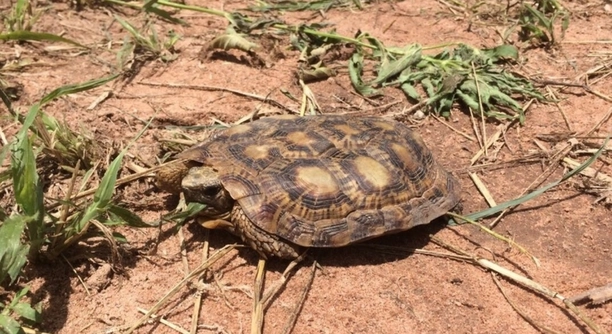
Aggression between pancake tortoises can sometimes be a challenge for pet owners. These reptiles, though typically calm, can become territorial or stressed. Understanding the causes and solutions to aggression can ensure a healthier and more peaceful environment for them.
There are several methods to reduce aggression between pancake tortoises. Providing enough space, enriching their habitat, managing food distribution, and observing social interactions are key strategies to minimize stress and prevent territorial disputes among these reptiles.
With the right steps, you can create a calm and balanced living situation for your pancake tortoises. Keep reading to discover the best approaches to reducing their aggression.
Create Enough Space for Each Tortoise
The most important factor in reducing aggression is ensuring that your pancake tortoises have enough space. These reptiles can become territorial, and overcrowding often leads to disputes. A larger enclosure provides more room for them to roam, hide, and establish their own safe zones. Without enough space, tortoises may feel the need to defend their territory, which can lead to aggressive behavior.
Providing more space can also reduce stress, giving each tortoise room to escape and avoid unnecessary conflict. The more space available, the less likely they will feel threatened by each other. When setting up their enclosure, aim for a larger area, especially if you plan to keep more than one tortoise. This will also allow you to create multiple hiding spots, ensuring they can retreat when needed. It’s also essential to avoid placing too many objects close together that could limit movement and create competition.
Adding additional hiding spots, climbing structures, or water areas also helps to provide mental stimulation. This enrichment promotes natural behaviors and reduces aggression, as the tortoises can focus on exploring and interacting with their environment rather than constantly being on guard.
Monitor Food Distribution
Ensuring equal access to food can prevent fights between your tortoises. Distributing food evenly and at different locations reduces competition.
Food aggression often arises when one tortoise feels it has to guard its meal. To prevent this, offer food in various parts of the enclosure. This gives each tortoise the chance to eat without having to worry about defending its food.
Use Hiding Spots to Reduce Tension
Adding multiple hiding spots in the enclosure gives each tortoise a place to retreat. This creates a sense of safety, reducing the chances of aggression. It helps each tortoise feel secure and less likely to be provoked by others.
Hiding spots are especially important when multiple tortoises are housed together. Providing various types of shelters, such as rocks, logs, or small caves, offers each tortoise the ability to hide from the others when needed. This prevents feelings of stress and territorial behavior, which can often lead to aggression. By having several escape options, each tortoise can maintain its own personal space.
Additionally, hiding spots can help tortoises maintain a more natural lifestyle. These reptiles often seek refuge from their surroundings in the wild. Giving them the ability to express this instinctive behavior can promote their well-being, preventing frustration that could lead to aggression.
Observe Social Dynamics
It’s crucial to monitor how your tortoises interact with one another. This will help identify any signs of aggression before it becomes a problem. By paying attention, you can make adjustments early on.
Sometimes, one tortoise may become more dominant, which can lead to issues if not addressed. Observing their behavior gives you the opportunity to intervene before any harm occurs. If one tortoise seems overly aggressive toward another, consider separating them temporarily or adjusting their living space. Watching for any physical signs of distress or aggression—like biting, chasing, or ramming—can alert you to potential issues. Early intervention can prevent further aggression and help your tortoises live peacefully together.
Maintain Proper Temperature and Humidity
Temperature and humidity levels play a significant role in a tortoise’s behavior. If the environment is too hot or too cold, it can cause stress, leading to aggression. Maintaining a comfortable climate helps prevent unnecessary tension between the tortoises.
The optimal temperature for pancake tortoises is between 80-90°F during the day and slightly cooler at night. Humidity should be kept between 50-60%. If the enclosure is too dry or too humid, the tortoises may become stressed, and their behavior could shift toward aggression. Ensure the habitat is properly regulated by using a thermostat and hygrometer to monitor the conditions.
Providing a controlled, stable environment helps keep the tortoises calm and relaxed, promoting peaceful coexistence.
Keep the Enclosure Clean
Regularly cleaning the enclosure prevents the buildup of waste and bacteria, which can cause illness and stress. A clean environment ensures your tortoises are healthy and comfortable.
Keeping the enclosure clean reduces the likelihood of disputes over food, shelter, or territory. Regular cleaning also prevents odors that might increase irritability or lead to unwanted behavior. A tidy habitat makes it easier for the tortoises to thrive, reducing the potential for aggression.
Handle with Care
Tortoises can become agitated if handled improperly. Be gentle and calm when interacting with them. This will reduce stress and prevent them from becoming aggressive.
FAQ
How can I tell if my pancake tortoises are stressed?
Stress in pancake tortoises can show up in different ways. Common signs include loss of appetite, excessive hiding, rapid breathing, or lethargy. If they are spending too much time in hiding, it could indicate they are overwhelmed or uncomfortable. In some cases, aggressive behavior toward other tortoises or avoidance can also signal stress. Changes in their shell appearance, such as darkening, might be a sign of health problems linked to stress.
It’s important to monitor their overall health and behavior. If you notice a sudden change or prolonged signs of stress, it may be time to adjust their environment or consult a veterinarian.
What should I do if my pancake tortoises are fighting?
If your pancake tortoises start fighting, it’s important to separate them immediately to avoid injury. First, assess their living conditions. Are they too cramped? Is there enough food and hiding spots for each tortoise? You might need to adjust the enclosure size or add more hiding places to allow them space to avoid conflict.
If fighting continues even after environmental changes, consider keeping them in separate enclosures to ensure their safety. Tortoises sometimes simply don’t get along, and this might be the most effective solution.
Can I keep multiple pancake tortoises together?
Yes, you can keep multiple pancake tortoises together, but it requires careful planning. The most important factor is enough space. A larger enclosure is needed to prevent territorial disputes. Additionally, make sure there are enough hiding spots, climbing structures, and food distribution points to minimize competition and stress.
It’s also important to monitor their social interactions closely, especially when first introduced. Some tortoises may not get along, and it’s essential to be ready to separate them if needed. If done correctly, they can coexist peacefully.
How do I prevent my pancake tortoises from becoming aggressive during feeding time?
To prevent aggression during feeding, distribute food evenly around the enclosure, placing it in different spots. This allows each tortoise to have their own space while eating and avoids the competition that often leads to aggression.
It’s also helpful to feed them at different times if one tortoise tends to dominate. Make sure the food is varied and plentiful enough that there’s no need for the tortoises to fight for it. If there is tension around mealtimes, consider separating them temporarily until they calm down.
Is it normal for pancake tortoises to fight sometimes?
A little bit of rivalry is natural in many species, including pancake tortoises. They can become territorial and may show aggression as they establish dominance or compete for resources. However, continuous or violent fighting is a sign of an underlying issue, like overcrowding or stress.
It’s important to monitor the severity of the aggression. If they are simply posturing or showing minor aggressive behavior, that’s usually fine. If they are physically hurting each other, it’s time to intervene and adjust their living conditions.
Can temperature and humidity affect the behavior of my pancake tortoises?
Yes, temperature and humidity levels play a crucial role in your pancake tortoises’ behavior. If the environment is too hot or too cold, tortoises can become stressed, leading to irritability and aggression. Similarly, if the humidity is off, it can cause discomfort and health problems.
Maintaining a stable temperature between 80-90°F during the day and humidity levels of 50-60% helps ensure they are comfortable. If they are too hot or cold, they may become lethargic or exhibit signs of distress, which can trigger aggressive behavior. Make sure to check these conditions regularly with the proper equipment.
Do pancake tortoises need a companion?
Pancake tortoises do not require a companion but can live together if the conditions are right. Some tortoises are more social and will tolerate the presence of other tortoises, while others might prefer to be alone. If you keep more than one, ensure they have enough space, hiding spots, and food to avoid aggression.
If you notice that your tortoises are fighting or displaying signs of stress, it might be best to separate them. It’s always essential to pay attention to their behavior to determine what works best for each individual tortoise.
Final Thoughts
Creating a peaceful and comfortable environment for your pancake tortoises requires attention to several key factors. Space, food distribution, and proper habitat setup are essential to reducing aggression between them. By ensuring they have enough room to roam and hide, you provide them with a sense of safety, which helps prevent territorial disputes. Making sure food is accessible to all tortoises and preventing one from dominating mealtime can also reduce tension. These simple adjustments can significantly improve their behavior and well-being, creating a more harmonious living situation.
Additionally, monitoring your tortoises’ behavior is important. Understanding their social dynamics can help you identify early signs of stress or aggression. Sometimes, a tortoise may become more dominant, and observing interactions will allow you to step in before things escalate. If aggression does occur, separating them temporarily can help. It’s also essential to pay attention to temperature and humidity levels. A controlled environment that meets their needs can greatly reduce stress, which in turn helps to lower the chances of aggressive behavior. Small environmental changes can often make a big difference in their overall mood and interactions.
Lastly, while it’s possible for pancake tortoises to live together, it’s important to accept that some may simply not get along. It’s natural for some reptiles to be more solitary or territorial, and forcing them into close quarters might not work for every pair. In cases where multiple tortoises can’t coexist peacefully, providing separate enclosures is often the best solution. By following these tips and monitoring their behavior closely, you can ensure a calm, healthy environment for your pancake tortoises to thrive in.

Hello,
If you enjoy the content that we create, please consider saying a "Thank You!" by leaving a tip.
Every little bit helps us continue crafting quality advice that supports the health, happiness, and well-being of pets around the world, for pets of all shapes, sizes, and species.
We really appreciate the kindness and support that you show us!