
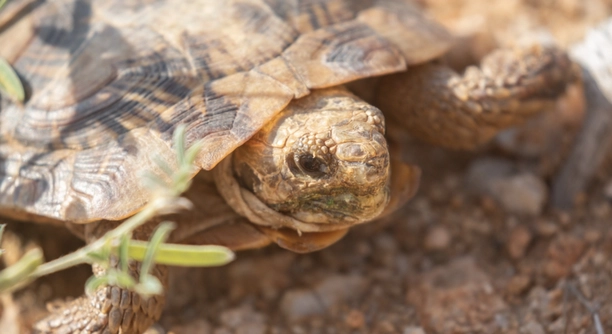
Pancake tortoises are known for their digging behavior, but excessive digging can be puzzling. Understanding why your tortoise digs so much can help address any underlying issues and improve its well-being.
Excessive digging in pancake tortoises is often caused by stress, improper habitat conditions, or natural instincts to seek shelter or burrows. Environmental factors such as temperature, humidity, and substrate type can also contribute to this behavior.
There are several reasons behind this behavior, and understanding them will help you provide a better environment for your tortoise. This article will guide you through the possible causes.
Stress and Anxiety Can Lead to Excessive Digging
Pancake tortoises, like many other reptiles, are sensitive to changes in their environment. When they feel stressed or anxious, they may resort to digging as a way to cope. Factors such as loud noises, sudden temperature changes, or the presence of other pets can make them feel unsafe. Stress can also arise from handling, particularly if done too frequently or inappropriately. When your tortoise is stressed, it may dig in an attempt to find comfort or safety.
Creating a peaceful and stable environment is key. Avoid loud sounds around the habitat and keep the enclosure in a quiet area of the house. Make sure to handle your tortoise gently and sparingly.
Stress also affects your tortoise’s appetite, behavior, and general health. If your pancake tortoise is digging excessively, it’s important to look at the bigger picture, including its emotional well-being. Stress can lead to more serious health problems over time if not addressed early.
Improper Habitat Conditions
An unsuitable living space can also trigger digging in your pancake tortoise. If the habitat lacks the right temperature or humidity levels, your tortoise may feel the need to dig to create a more comfortable environment.
Ensure your tortoise’s enclosure is set up with appropriate temperature gradients, as they need a warm area to bask and a cooler spot to retreat. Humidity is equally important, especially for tortoises from desert-like environments.
Your pancake tortoise needs a substrate that allows for digging but is also safe. Sand, soil, or coconut fiber can work well, but the depth of the substrate should be sufficient to let your tortoise dig without causing harm. Inadequate substrate or improper heating could lead to unnatural behaviors, like digging.
Natural Instincts
Digging is a natural behavior for pancake tortoises. In the wild, they dig to create burrows that protect them from predators and extreme weather. This instinct doesn’t disappear when they are in captivity.
Your tortoise may dig to mimic this natural behavior, even if it feels safe in its environment. This digging isn’t always a sign of stress or discomfort but simply a way to fulfill its instincts. Providing a space that encourages digging, such as deeper substrate or hiding places, can allow your tortoise to express this natural tendency safely.
It’s important to ensure that your tortoise’s enclosure mimics the conditions it would find in the wild. While it might seem like excessive digging at first, it may just be your tortoise trying to recreate its natural habitat, which is an essential part of their well-being.
Health Issues
Sometimes excessive digging can signal that your tortoise is unwell. Conditions like respiratory infections or internal parasites can cause discomfort, prompting digging behavior. If your tortoise is digging more than usual and showing signs of lethargy or a lack of appetite, it could be a sign that something is wrong.
A visit to the vet can help rule out any health concerns. If your tortoise is unwell, the digging may be a sign of pain or trying to find a place to recover. Addressing the health issue as soon as possible is key to preventing further discomfort and ensuring your tortoise’s health.
Be sure to observe other signs like changes in eating habits, swelling, or discharge from the nose or eyes. These can help pinpoint any health problems early, allowing you to take the necessary steps to ensure a full recovery for your tortoise.
Overcrowded Enclosure
If your tortoise’s enclosure is too small or overcrowded, it may feel cramped and stressed. A lack of space can lead to increased digging as a way to escape or find more room.
Providing a larger, more spacious habitat can help reduce this behavior. Your tortoise needs room to move around, bask, and dig. A cramped environment can affect its physical and mental health.
Boredom
Pancake tortoises can dig due to boredom. If they lack stimulating activities, they may turn to digging to pass the time.
Providing enrichment, like rocks to climb on or hiding places for exploration, can keep your tortoise occupied and help reduce digging. Keeping the habitat interesting helps maintain a happy, healthy tortoise.
Substrate Quality
The quality of the substrate in your tortoise’s habitat plays a big role in its digging behavior. If the material is not suitable, your tortoise may dig excessively to adjust it.
Using a mix of sand, soil, and coconut fiber can create a more natural digging environment. The right substrate allows your tortoise to dig comfortably without harm.
FAQ
Why does my pancake tortoise keep digging?
Pancake tortoises dig for several reasons. It’s natural for them to dig to create burrows for protection, especially if they are stressed, uncomfortable, or bored. Digging can also be an instinctual behavior tied to finding shelter. If your tortoise digs excessively, it could be trying to deal with environmental factors such as improper temperature or humidity, or it might be trying to escape an overcrowded or too-small space. Keep an eye on its surroundings, and consider adding enrichment or adjusting the habitat to see if the digging decreases.
Can excessive digging be harmful to my pancake tortoise?
Excessive digging itself is not usually harmful, as long as the tortoise has the space and proper substrate to dig safely. However, if digging is a sign of stress or poor health, it could lead to other problems. For example, if your tortoise is digging due to a health issue, it may be in pain or discomfort, which could harm its well-being. If the digging seems excessive and is accompanied by other signs like loss of appetite or lethargy, it’s a good idea to consult a veterinarian.
What is the best substrate for my pancake tortoise?
The best substrate for a pancake tortoise is one that mimics its natural environment while being safe for digging. A mixture of coconut fiber, sand, and soil can provide a comfortable and natural surface. The substrate should be deep enough for digging, but not so deep that it could cause injury. Avoid substrates like gravel or loose pebbles, as they can be uncomfortable and unsafe. Regularly check the substrate for cleanliness to ensure it’s a healthy environment for your tortoise.
How can I reduce my tortoise’s digging behavior?
To reduce digging, you’ll first need to identify the root cause. If it’s due to stress or anxiety, make sure the enclosure is quiet, with no disruptions from other pets or loud noises. If the habitat is overcrowded, provide more space for your tortoise to roam. Ensure proper temperature and humidity levels are maintained, as these can contribute to comfort and well-being. Adding enrichment, like climbing structures or hiding places, can also help distract your tortoise from digging.
Is digging normal behavior for a pancake tortoise?
Yes, digging is completely normal behavior for pancake tortoises. In the wild, they dig to create shelter from the elements and predators. Even in captivity, they maintain this instinctual behavior. As long as your tortoise has a suitable environment to dig safely, it’s a natural and healthy behavior. Just make sure it’s not excessive or linked to stress or health issues.
Can digging indicate a health problem in my pancake tortoise?
Yes, excessive digging can sometimes indicate a health issue. If your tortoise digs constantly and seems lethargic, eats less, or shows signs of discomfort, it could be a sign of illness. Conditions like respiratory infections, parasites, or internal problems could cause a tortoise to dig as a way to cope with pain or stress. If you notice any additional symptoms, it’s a good idea to schedule a vet visit for a check-up.
How often should I clean the substrate in my pancake tortoise’s enclosure?
It’s important to clean your tortoise’s enclosure regularly to keep the environment healthy. Spot cleaning should be done daily to remove waste and debris, while a full substrate change should be done every 2 to 3 months, depending on how soiled the area gets. Make sure to replace the substrate with fresh material that is safe for digging. Regular cleaning prevents the buildup of bacteria and ensures a safe habitat for your tortoise.
What temperature should my pancake tortoise’s enclosure be?
Pancake tortoises thrive in an environment with a temperature gradient. The basking area should be around 90-95°F (32-35°C), and the cooler side of the enclosure should be around 75-80°F (24-27°C). This gradient allows your tortoise to regulate its body temperature by moving between warm and cool areas. Make sure to use a reliable thermometer to check temperatures throughout the day and night.
What humidity level is ideal for my pancake tortoise?
Pancake tortoises come from semi-arid environments, so their humidity needs are relatively low compared to other species. The ideal humidity level is between 40-60%. If the air in the enclosure is too dry, your tortoise may dig more to find moisture. Conversely, if the humidity is too high, it could lead to respiratory issues. A humidity gauge can help you monitor and adjust the levels in the enclosure accordingly.
Should I provide my pancake tortoise with a hiding place?
Yes, providing a hiding place for your pancake tortoise can reduce stress and help prevent excessive digging. In the wild, tortoises seek shelter to avoid predators and rest. A hide box or shelter inside the enclosure can give your tortoise a sense of security and comfort. This will also allow it to dig less in search of a safe space.
Final Thoughts
Excessive digging in your pancake tortoise can be concerning, but it’s important to understand the reasons behind it. While some digging is completely normal, too much digging could be a sign of stress, boredom, or improper living conditions. Understanding your tortoise’s needs and environment is key to addressing this behavior. Ensuring that the habitat is spacious, clean, and properly set up with the right temperature and humidity can help reduce unnecessary digging. By providing a safe and comfortable space, you allow your tortoise to exhibit more natural behavior without constant digging.
Additionally, it’s essential to monitor your tortoise’s health. If you notice other signs of distress, like loss of appetite, lethargy, or changes in behavior, the digging may indicate an underlying health issue. It’s always a good idea to keep track of any changes in your tortoise’s activity and consult a veterinarian if needed. Identifying potential health problems early can prevent long-term complications and ensure your tortoise remains healthy and happy. Remember, your pancake tortoise relies on you to provide the best care, so paying attention to its behavior is crucial.
Lastly, giving your tortoise enrichment through climbing structures or hiding places can help minimize boredom and give it more ways to explore its enclosure. Digging often comes from a desire to find something interesting or comfortable, so providing opportunities for natural exploration can keep your tortoise engaged. By balancing its physical, emotional, and environmental needs, you can keep your pancake tortoise happy, healthy, and less likely to engage in excessive digging. With the right care, your tortoise will thrive in a comfortable and stimulating environment.

Hello,
If you enjoy the content that we create, please consider saying a "Thank You!" by leaving a tip.
Every little bit helps us continue crafting quality advice that supports the health, happiness, and well-being of pets around the world, for pets of all shapes, sizes, and species.
We really appreciate the kindness and support that you show us!