
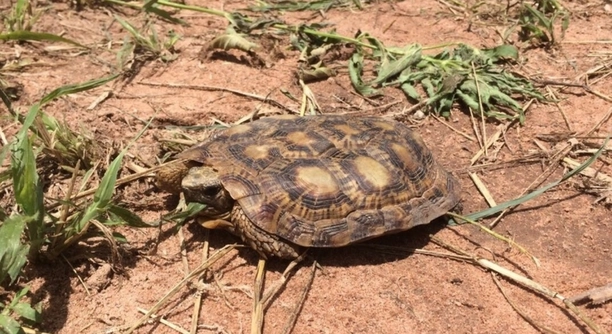
Pancake tortoises are fascinating creatures, but they can be susceptible to fungal infections that affect their health. Understanding how to protect them from these risks is crucial for keeping them happy and thriving in captivity.
Fungal infections in pancake tortoises can be prevented through proper habitat management, consistent cleaning, and maintaining ideal humidity levels. Ensuring a balanced diet with essential nutrients also strengthens their immune system, reducing the likelihood of infections.
Keeping your pancake tortoise healthy and safe from fungal infections requires attention to detail. Let’s explore effective methods for prevention.
Keep the Habitat Clean and Dry
Maintaining a clean and dry environment is one of the most effective ways to prevent fungal infections in pancake tortoises. A clean habitat ensures that harmful bacteria and fungi don’t have the chance to thrive. Regularly remove uneaten food, soiled bedding, and any excess moisture from their living space. Be sure to disinfect surfaces like the enclosure floor, rocks, and water dishes with safe, non-toxic cleaners. A dry environment is essential, as moisture can encourage fungal growth. Make sure their habitat has proper ventilation, and regularly check for signs of dampness.
In addition, it’s important to replace bedding materials like sand or soil frequently. These materials can absorb moisture and harbor fungi if left unchanged for long periods. By keeping the habitat dry, you’re greatly reducing the chance of fungal infections developing.
A dry, clean environment, paired with regular checks on humidity levels, will protect your pancake tortoises. This simple step goes a long way in maintaining their overall health.
Monitor Humidity Levels
Humidity plays a key role in preventing fungal infections in pancake tortoises. Too much moisture can create an ideal breeding ground for fungi, while too little humidity can cause dehydration. It’s essential to find a balance. A hygrometer can help you monitor the humidity levels within the enclosure. Keeping humidity at around 50-60% is recommended. Adjust the levels by misting the habitat or using a humidifier when necessary, but be careful not to overdo it.
In addition to humidity control, it’s important to place your tortoises’ habitat in a location that avoids excess moisture from sources like nearby water features or damp areas. Regular checks on your tortoise’s health and the environment will ensure optimal conditions.
Provide a Balanced Diet
A nutritious diet is essential for keeping pancake tortoises healthy and boosting their immune system. Offer a variety of leafy greens, such as collard greens and dandelion leaves, along with occasional fruits like papaya and melons. Calcium and vitamin D supplements can help support their shell and bone health, making them less vulnerable to infections.
Overfeeding or offering an unbalanced diet can cause digestive issues and weaken their defenses. Make sure to avoid high-protein foods, which may lead to health problems. Regularly clean their food bowls and ensure fresh food is provided daily. Hydration is also key, so provide fresh water in a shallow dish to help prevent dehydration, which can make tortoises more susceptible to infections.
A balanced diet directly impacts their overall health and helps in preventing fungal infections. Monitoring their nutrition ensures that they are strong and resilient to diseases. Pay attention to the food’s quality and variety to maintain their long-term health.
Offer Proper Lighting and UVB Exposure
Proper lighting is vital for the health of pancake tortoises. Exposure to UVB rays helps them process calcium and maintain a healthy shell. Without sufficient UVB light, tortoises can suffer from metabolic bone disease and other health issues, weakening their immune system and making them more prone to infections.
Make sure to provide a UVB bulb specifically designed for reptiles, and ensure it covers a wide area of their habitat. It’s best to position the bulb at a suitable distance from the tortoises, as too much exposure can cause burns. Natural sunlight, if available, is an excellent source of UVB, so offering time outdoors is a great option, provided it’s safe.
Always check the strength of the UVB bulb regularly, as it can lose effectiveness over time. If possible, provide a light cycle that mimics natural daylight hours, promoting a healthy sleep-wake routine. Proper lighting and UVB exposure are simple yet powerful ways to prevent fungal infections.
Regularly Inspect for Signs of Infection
Regularly checking your pancake tortoises for signs of fungal infections is crucial for early intervention. Look for unusual spots or discoloration on their shells, skin, or limbs. Fungal infections often cause patches of white or grayish lesions, which can spread quickly if not addressed.
Also, monitor their behavior for signs of lethargy or reduced appetite, as these can be indicators of illness. Perform a thorough inspection after every cleaning or weekly at a minimum. Checking for any changes helps detect potential issues before they become more serious. If you spot symptoms, take immediate action to prevent further harm.
A routine inspection helps catch infections early and allows for swift treatment, keeping your tortoises safe and healthy. Timely intervention can make all the difference.
Maintain a Proper Temperature
Pancake tortoises require a stable temperature range to thrive. The optimal temperature for their habitat is between 75°F and 85°F (24°C to 29°C) during the day, with a slight drop at night. Proper heating helps prevent conditions that promote fungal growth.
Temperature fluctuations can stress your tortoises and compromise their immune system. Use a reliable thermometer to ensure that the habitat stays within the recommended range. Avoid placing heating lamps or bulbs too close to their habitat, as excessive heat can cause dehydration. Maintaining consistent warmth helps your tortoises stay strong and healthy.
Limit Stressful Conditions
Stress can weaken a pancake tortoise’s immune system, making them more susceptible to fungal infections. Avoid sudden changes in their environment, such as moving them to a new enclosure or introducing unfamiliar animals. Keep the habitat quiet and avoid excessive handling.
Make sure their enclosure is large enough to provide adequate space for movement. Overcrowding or too much activity in their enclosure can lead to stress. A peaceful environment helps reduce stress, allowing your tortoises to feel secure and healthy.
FAQ
How can I tell if my pancake tortoise has a fungal infection?
Fungal infections often appear as white, gray, or discolored patches on the shell, skin, or limbs of a pancake tortoise. These patches may spread quickly if not addressed. Pay attention to any changes in their behavior, such as reduced activity or loss of appetite. Any unusual symptoms should be checked by a vet as soon as possible. If you spot a fungal infection, it’s important to treat it quickly to avoid complications.
Can I use over-the-counter antifungal treatments on my pancake tortoise?
It’s generally not recommended to use over-the-counter antifungal treatments unless advised by a veterinarian. Some treatments meant for other animals or conditions could be harmful to tortoises. Always consult a vet who specializes in reptiles to ensure safe and effective treatment. A professional will guide you on the right medication and dosage, along with a proper treatment plan.
What are the best preventative measures to avoid fungal infections?
Preventing fungal infections involves maintaining a clean, dry environment, controlling humidity levels, and providing proper lighting. Regularly disinfect the enclosure, replace bedding materials, and ensure proper ventilation to reduce moisture buildup. A balanced diet, adequate UVB exposure, and a stable temperature range will also help keep your tortoise healthy and strong, reducing the risk of fungal infections.
How often should I clean my pancake tortoise’s enclosure?
You should clean your pancake tortoise’s enclosure at least once a week. Remove any uneaten food, clean water bowls, and replace soiled bedding to prevent bacteria and fungi from growing. In addition, check for any dampness or areas where moisture may be trapped, as these create an ideal environment for fungal growth. Regular cleaning is essential in keeping your tortoise’s habitat safe and healthy.
Can my pancake tortoise recover from a fungal infection?
Yes, with timely treatment and proper care, a pancake tortoise can recover from a fungal infection. The key is early detection and prompt action. If you notice any symptoms, consult a vet right away for an appropriate treatment plan. Ensuring that your tortoise’s habitat is clean and dry will support their recovery and prevent the infection from returning.
Is it okay to keep more than one pancake tortoise together?
It is possible to house multiple pancake tortoises together, but only if their habitat is large enough to accommodate them. Overcrowding can cause stress, which makes them more susceptible to infections. Ensure that each tortoise has its own space, and monitor their behavior to ensure they are not competing for resources like food or shelter. A peaceful environment is key to keeping your tortoises healthy and free from stress-related health issues.
What type of bedding is best for pancake tortoises?
The best bedding for pancake tortoises is one that is absorbent, easy to clean, and provides a natural environment. Options include coconut coir, organic topsoil, or a mixture of sand and soil. Avoid using pine or cedar shavings, as they can be harmful to reptiles. Make sure to change the bedding regularly to prevent the growth of mold or fungi.
How can I control humidity levels in my pancake tortoise’s enclosure?
Humidity can be controlled by using a hygrometer to monitor the levels in your tortoise’s habitat. The ideal humidity range is between 50% and 60%. To maintain proper humidity, you can mist the enclosure with water or use a humidifier. Avoid excessive misting, as it can lead to excess moisture that fosters fungal growth. Be sure to check humidity levels regularly and adjust as needed.
What temperature should I keep my pancake tortoise’s enclosure at?
Pancake tortoises require a stable temperature range between 75°F and 85°F (24°C to 29°C) during the day. At night, the temperature can drop slightly but should not fall below 70°F (21°C). Use a reliable thermometer to monitor the temperature, and adjust the heat source as necessary. Proper heating will help keep your tortoise comfortable and reduce the likelihood of fungal infections.
What should I do if my pancake tortoise is showing signs of stress?
Stress in pancake tortoises can manifest as reduced activity, lack of appetite, or erratic behavior. To reduce stress, make sure their environment is peaceful and consistent. Avoid sudden changes, such as relocating them or introducing new animals. Provide a spacious enclosure, a comfortable temperature, and plenty of hiding spots for them to feel secure. If stress persists, consult with a vet to rule out other potential causes.
Can I take my pancake tortoise outside?
Yes, it’s safe to take your pancake tortoise outside, provided the conditions are suitable. Make sure the area is free from predators, excessive heat, or moisture. Natural sunlight can help provide essential UVB exposure, but ensure that your tortoise has access to shade and fresh water. Outdoor time is beneficial but should be monitored to ensure their safety and well-being.
What type of lighting do pancake tortoises need?
Pancake tortoises require UVB lighting to process calcium and maintain healthy bones and shells. A UVB bulb designed for reptiles should be used, and it should cover the majority of their enclosure. Position the light at an appropriate distance to avoid burns. Natural sunlight is also an excellent source of UVB, but be cautious of temperature fluctuations and exposure time when outside. Proper lighting is crucial for your tortoise’s overall health.
Final Thoughts
Preventing fungal infections in pancake tortoises is not difficult but requires consistent care and attention. A clean and dry environment is essential, as it helps reduce the growth of fungi. By ensuring proper temperature, humidity, and lighting, you can create a stable habitat for your tortoise. Regular cleaning and monitoring will go a long way in preventing infections and ensuring your tortoise remains healthy.
Understanding the signs of fungal infections is crucial. Early detection can make a significant difference in the treatment process. If you notice any discoloration, unusual patches on the skin or shell, or changes in behavior, it’s important to consult a veterinarian immediately. Prompt treatment can often result in a full recovery, but neglecting symptoms can lead to more severe health issues.
Taking proactive steps, such as providing a balanced diet and preventing overcrowding, also supports your tortoise’s overall well-being. Remember, their habitat should be spacious enough for them to move freely, reducing stress and promoting a healthier environment. With the right care and attention, your pancake tortoise can live a long and healthy life, free from fungal infections.

Hello,
If you enjoy the content that we create, please consider saying a "Thank You!" by leaving a tip.
Every little bit helps us continue crafting quality advice that supports the health, happiness, and well-being of pets around the world, for pets of all shapes, sizes, and species.
We really appreciate the kindness and support that you show us!