
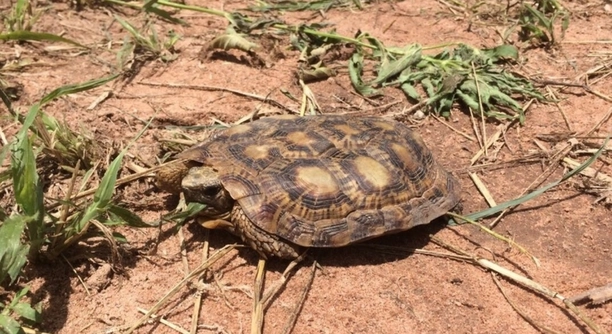
The Pancake Tortoise is a unique and fascinating species that requires proper care and attention to thrive. Knowing how to assess its health is important for its well-being. This guide will highlight key signs to look out for.
To determine if your Pancake Tortoise is in good condition, check its overall activity levels, eating habits, and shell quality. A healthy tortoise should have a clean, firm shell, steady growth, and should move actively in its environment.
Understanding these signs will help you assess the health of your Pancake Tortoise and make necessary adjustments for its care.
Active and Curious Behavior
One of the easiest ways to gauge your Pancake Tortoise’s health is by observing its behavior. A healthy tortoise will be active and curious, exploring its surroundings. When they’re feeling well, they tend to move around their environment with energy. If your tortoise seems lethargic or unresponsive, it could be a sign of health issues. You should also observe how much it reacts to new environments or interactions. A healthy tortoise will explore, whereas one that is unwell may withdraw or act disinterested. Regular activity helps them maintain muscle tone and digestive health, both important indicators of a well-maintained tortoise.
Keeping track of your tortoise’s routine and noting any changes is vital. If its behavior shifts, it might be time for a closer inspection. Look for signs such as consistent movement patterns, regular feeding, and consistent energy levels.
Increased curiosity and movement usually reflect a healthy tortoise. If your pancake tortoise is lethargic, further investigation is necessary. Keep a watchful eye on its physical activity.
Healthy Eating Habits
Your Pancake Tortoise’s eating habits will tell you a lot about its overall health. A tortoise that is in good condition will eat regularly and consume a balanced diet. It should show interest in food, eating with enthusiasm and at a steady pace.
Be sure to offer a variety of foods, including fresh vegetables and leafy greens. A tortoise that is not eating or is having difficulty consuming food could be a sign of digestive problems or stress.
If food is left uneaten for long periods or your tortoise starts to lose weight, seek professional advice to make sure there aren’t underlying health concerns. Regular feeding can also help maintain a healthy metabolism and boost its immune system.
Shell Quality and Cleanliness
A healthy Pancake Tortoise has a firm and clean shell that is free from cracks or signs of infection. The shell should not feel soft or flexible, as this could indicate poor health. Keeping the shell clean is essential to prevent the buildup of bacteria, which can lead to shell rot.
It’s important to check the shell regularly for any discoloration or lesions. A well-maintained shell will have a smooth, consistent appearance, with no obvious blemishes or damage. Cleaning the shell gently with a damp cloth will help keep it in good condition.
If you notice any unusual spots, cracks, or softness, these may be early signs of health issues. It’s crucial to take action immediately to address these problems. Regular shell checks will help you catch these concerns early and ensure proper care.
Strong and Healthy Legs
Your Pancake Tortoise’s legs should be strong and well-muscled. Healthy legs allow it to move efficiently, climb, and maintain stability while walking. Weak or wobbly legs can be a sign of malnutrition, dehydration, or other underlying health problems.
Regular exercise and proper nutrition help build muscle and strength in a tortoise’s legs. If the legs seem sluggish or the tortoise struggles to walk or climb, consider evaluating its diet and habitat. An inactive tortoise can lose muscle tone, so it’s important to provide plenty of opportunities for movement.
Tortoises that are in good condition will have balanced, strong limbs that support their body’s weight. Weakness or a lack of coordination could point to a nutritional imbalance or other health issues. Ensure your tortoise has enough space to roam and exercise.
Normal Breathing Patterns
A healthy Pancake Tortoise will breathe smoothly and steadily. Its breathing should not appear labored or shallow. You can observe its sides gently rising and falling without any wheezing or irregularities.
If your tortoise is breathing heavily, appears stressed, or makes abnormal sounds, it could indicate respiratory issues. Stress and infections can affect breathing patterns, leading to more severe health problems.
It’s essential to create a comfortable, stress-free environment to maintain normal respiratory health. Ensure the habitat is clean and provides proper ventilation, which helps avoid respiratory infections.
Proper Weight Maintenance
Your Pancake Tortoise should maintain a consistent weight, not too heavy or underweight. A healthy tortoise has a firm, rounded body, with no visible ribs or bones.
Regularly monitor its weight to ensure it’s within the healthy range for its age and size. Weight fluctuations can indicate problems such as overfeeding or illness.
If your tortoise starts to lose weight unexpectedly, it may need further evaluation. A balanced diet with proper nutrients will help keep your tortoise at a healthy weight.
FAQ
How can I tell if my Pancake Tortoise is stressed?
Stress in a Pancake Tortoise can show in various ways, such as decreased activity, refusal to eat, or hiding more often than usual. If your tortoise is acting more withdrawn than usual, it may be stressed. Stress can also manifest through labored breathing or excessive scratching at the walls of its habitat. Environmental changes, improper temperatures, or even sudden movements around the tortoise can cause these reactions. Make sure your tortoise’s habitat is stable, quiet, and free of sudden disturbances.
What should I do if my Pancake Tortoise isn’t eating?
If your tortoise isn’t eating, the first thing to check is the temperature of its habitat. If it’s too cold, your tortoise may not feel like eating. Ensure that the enclosure is within the recommended temperature range for your tortoise’s species. Stress, illness, or dietary imbalances can also cause a lack of appetite. If this behavior persists for more than a day or two, it’s best to consult a vet. Offering a variety of food, such as leafy greens or fruit, might also encourage eating.
How often should I clean my Pancake Tortoise’s enclosure?
Cleaning your tortoise’s enclosure is crucial for maintaining a healthy environment. You should spot clean daily, removing any leftover food and waste. A full cleaning should be done weekly, wiping down surfaces and disinfecting the habitat with reptile-safe cleaners. Regular cleaning helps prevent bacteria buildup, which can lead to shell rot or respiratory infections.
What is the ideal diet for a Pancake Tortoise?
A well-balanced diet for your Pancake Tortoise should include leafy greens, vegetables, and some fruits. Avoid feeding it too many high-calcium foods, as this could lead to kidney problems. Stick to natural foods like dandelion greens, collard greens, and cactus pads. Supplementing its diet with occasional fruits like berries is acceptable but should be done in moderation. Fresh water should always be available, and food should be free of pesticides.
Can I house my Pancake Tortoise with other reptiles?
While Pancake Tortoises are generally peaceful, housing them with other reptiles can be risky. Some species might become territorial or aggressive, especially when competing for space, food, or basking areas. It’s always best to keep them in individual enclosures to ensure they have the necessary space to thrive. If you do choose to house multiple reptiles together, make sure they have enough room and resources to prevent stress or conflict.
How can I prevent my Pancake Tortoise from getting sick?
To prevent illness, it’s important to maintain a clean and stable environment. Regularly clean the enclosure, ensure the humidity and temperature are within the recommended range, and provide a proper diet. It’s also essential to handle your tortoise gently to avoid stress. Regular health checkups with a reptile vet are recommended to detect any potential health issues early.
Why is my Pancake Tortoise’s shell soft?
A soft shell could be a sign of calcium deficiency, which is critical for the development of a strong, healthy shell. If your tortoise’s shell feels soft, you should increase its calcium intake. Offering calcium supplements, such as crushed cuttlebone or calcium powder sprinkled on food, can help. Ensure the tortoise has access to UVB light, which helps it absorb calcium. If the condition persists, consult with a veterinarian for further advice.
What temperature should I maintain for my Pancake Tortoise?
The ideal temperature range for a Pancake Tortoise is between 75°F and 85°F (24°C – 29°C) during the day. At night, it can drop to around 70°F (21°C). A basking area should reach around 90°F (32°C) to allow your tortoise to regulate its body temperature. Make sure to use both a heat source and a UVB light to promote healthy digestion and bone development.
How can I help my Pancake Tortoise shed its skin properly?
Like other reptiles, Pancake Tortoises shed their skin in pieces, but improper shedding can happen if humidity levels are too low. Ensure the enclosure has adequate humidity, around 60% to 80%. If your tortoise is having difficulty shedding, you can gently soak it in warm water to help loosen the skin. Never pull the skin off manually, as this can cause injury.
What should I do if my Pancake Tortoise’s shell has a crack?
If you notice a crack or break in your Pancake Tortoise’s shell, it’s important to seek immediate veterinary attention. A crack can expose the tortoise to infections or further damage. Until you can get to the vet, clean the area gently with warm water and apply an antibiotic ointment to prevent infection. A vet may recommend a specific treatment, such as applying a protective shell sealant or a minor surgical procedure to prevent further damage.
How long can a Pancake Tortoise live?
Pancake Tortoises can live for several decades when provided with proper care. With the right environment, diet, and routine checkups, they can live anywhere from 30 to 50 years or more. A longer lifespan requires consistent care, stable living conditions, and regular health monitoring.
Can I bathe my Pancake Tortoise?
Yes, you can bathe your Pancake Tortoise in lukewarm water to help with hydration and shedding. Soaking once a week is generally sufficient, though this can vary depending on your tortoise’s needs. Ensure that the water level is shallow enough for the tortoise to walk on the bottom without fully submerging. Never use water that’s too hot or cold, as this can cause stress or harm.
Final Thoughts
Taking care of a Pancake Tortoise requires patience, observation, and commitment. Ensuring it has a proper environment is key to its well-being. The enclosure should be clean, spacious, and appropriately heated. Maintaining correct temperatures and humidity levels will help prevent health issues. Always make sure the habitat is free of any sudden disturbances that might cause stress. This will help your tortoise feel comfortable and thrive in its environment. Regular checks for signs of illness, such as abnormal behavior or changes in its eating habits, will allow you to address any potential problems early.
Providing a balanced and varied diet is also crucial for keeping your Pancake Tortoise healthy. Fresh greens, vegetables, and occasional fruits should be part of its daily meals. Avoid overfeeding or providing foods that are too rich in calcium. Make sure fresh water is always available. Proper diet and hydration are key to maintaining a healthy weight and preventing long-term health issues. Regular veterinary checkups should be a part of your tortoise’s care routine to monitor its overall health and detect any potential problems early on.
While keeping a Pancake Tortoise can be a rewarding experience, it also comes with responsibility. These reptiles are long-lived and require care for many years. Understanding their specific needs and providing the right conditions will help ensure they lead a long, healthy life. By focusing on their diet, habitat, and overall care, you can enjoy the company of your Pancake Tortoise for many years to come.

Hello,
If you enjoy the content that we create, please consider saying a "Thank You!" by leaving a tip.
Every little bit helps us continue crafting quality advice that supports the health, happiness, and well-being of pets around the world, for pets of all shapes, sizes, and species.
We really appreciate the kindness and support that you show us!