
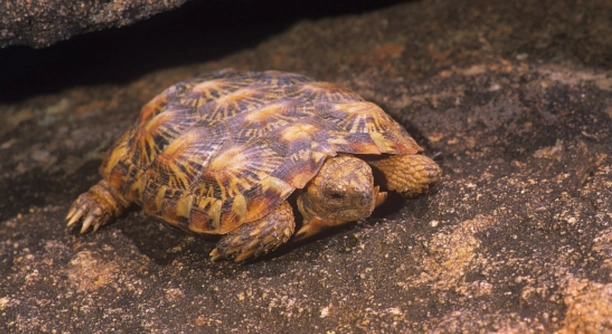
Is your pancake tortoise acting differently or showing signs of discomfort? Stress can quietly affect its well-being, often in ways that are easy to overlook. Knowing how it impacts your pet is essential for maintaining its overall health.
Stress can significantly affect a pancake tortoise’s health by weakening its immune system, disrupting its eating habits, and causing behavioral changes. Prolonged stress may lead to digestive issues, decreased activity, and a higher susceptibility to infections, making early detection important.
Understanding these effects can help you create a supportive environment that promotes your tortoise’s long-term health and happiness.
How Stress Affects Your Pancake Tortoise’s Eating Habits
Stress can quickly disrupt your pancake tortoise’s eating patterns. Changes in environment, handling, or enclosure conditions can lead to a loss of appetite. When stressed, your tortoise may refuse food altogether or eat significantly less than usual. This can result in weight loss and nutrient deficiencies, which weaken its immune system and make recovery more difficult. Environmental stressors, like loud noises, temperature fluctuations, or overcrowding, can heighten this problem. Providing a calm, stable environment helps encourage regular feeding. If your tortoise’s appetite changes suddenly, it’s important to address the source of stress quickly to prevent long-term health issues.
A consistent feeding schedule and quiet surroundings can make mealtime less stressful for your tortoise. Minimizing sudden changes helps promote healthy eating habits.
Ignoring stress-related eating issues can lead to chronic health problems. Monitoring food intake and acting early supports your tortoise’s overall well-being and long-term health.
Physical Health Changes Caused by Stress
Stress can trigger noticeable physical changes in your pancake tortoise. Weight loss, shell abnormalities, and dull or sunken eyes are common indicators. You might also notice lethargy or a slower response to stimuli. These physical signs can appear gradually, making them easy to miss.
Prolonged stress weakens the immune system, increasing the risk of infections and respiratory illnesses. Shell health may deteriorate, leading to deformities or softness. Additionally, stressed tortoises often experience digestive issues like constipation or diarrhea. To prevent these problems, provide a stable habitat with proper lighting, temperature, and humidity levels. Regular veterinary check-ups are essential for early detection and treatment. Addressing stress factors promptly can significantly improve your tortoise’s recovery. Ensuring a safe, quiet environment helps reduce anxiety, promoting a healthier and more active lifestyle.
Behavioral Changes Linked to Stress
A stressed pancake tortoise may become more withdrawn, hiding for longer periods and avoiding interaction. It might also display unusual aggression or restlessness. Sudden changes in behavior often indicate discomfort, so paying attention to these shifts can help identify and address stress early.
Environmental instability is a major cause of behavioral stress. Frequent enclosure changes, loud noises, or excessive handling can make your tortoise feel unsafe. When stressed, it may dig excessively, pace the enclosure, or refuse to bask under heat lamps. These behaviors indicate discomfort and should be addressed by maintaining a stable, predictable environment. Providing plenty of hiding spots and minimizing disturbances can help your tortoise feel more secure and relaxed.
Long-term stress can lead to chronic anxiety, making it harder for your tortoise to adapt to its surroundings. Creating a quiet, well-maintained habitat with consistent lighting and temperature control is crucial. A predictable routine reassures your tortoise and helps reduce unnecessary stress. If behavioral changes persist despite adjustments, seeking advice from a reptile veterinarian can provide further insight. Recognizing and responding to stress-related behaviors early prevents more serious health issues and promotes a balanced, comfortable life for your tortoise.
Impact of Stress on Shell and Skin Health
Persistent stress can negatively impact your tortoise’s shell and skin condition. Shell discoloration, soft spots, or irregular growth patterns can develop over time. Skin may become dry or flaky due to stress-related dehydration or poor nutrition. These issues signal underlying stress that needs to be addressed quickly.
Improper humidity levels, inadequate UVB lighting, and an imbalanced diet can worsen these problems. A stressed tortoise may bask too little, preventing proper shell development and leading to deformities. It may also shed irregularly, with flaky skin or retained shed around the limbs. Ensuring the right balance of humidity and lighting while providing a nutrient-rich diet helps support strong shell and skin health. Addressing these needs consistently prevents stress-related deterioration and encourages proper growth.
How Stress Affects Your Tortoise’s Immune System
Stress weakens your pancake tortoise’s immune system, making it more vulnerable to infections and illnesses. Prolonged stress can reduce its ability to fight off common pathogens, increasing the risk of respiratory infections, parasites, and other health complications that can affect overall well-being.
Chronic stress can also slow recovery from existing illnesses. Even minor health issues can worsen without proper care, as the body prioritizes coping with stress over healing. Reducing stress through environmental stability and proper care is essential for maintaining a strong immune response.
Breathing Issues Caused by Stress
Stress can lead to breathing problems in pancake tortoises. You may notice wheezing, open-mouth breathing, or nasal discharge. These symptoms often indicate respiratory infections, which can worsen quickly if not treated. Minimizing stressors and seeking veterinary care can prevent further complications and support recovery.
Stress-Induced Digestion Problems
Stress can disrupt digestion, causing constipation or diarrhea. These changes affect nutrient absorption and can lead to weight loss or dehydration. Providing a balanced diet, proper hydration, and a stable environment helps maintain healthy digestion and prevents stress-related gastrointestinal issues.
FAQ
What are the signs that my pancake tortoise is stressed?
Signs of stress in a pancake tortoise include a loss of appetite, abnormal behavior like hiding or aggression, changes in eating habits, or physical symptoms like a dull shell or sunken eyes. If your tortoise becomes unusually lethargic or refuses to eat, stress could be the cause.
How can I reduce stress in my pancake tortoise?
To reduce stress, create a stable environment with proper temperature, humidity, and lighting. Avoid frequent handling and keep loud noises to a minimum. Make sure your tortoise has plenty of hiding spots to feel secure. Regularly check the enclosure for any signs of discomfort or damage.
Can stress lead to long-term health issues for my pancake tortoise?
Yes, chronic stress can result in long-term health issues such as weakened immune function, digestive problems, and shell abnormalities. Ongoing stress can make your tortoise more vulnerable to infections and can interfere with its growth and development. Regular observation and proper care can prevent these issues.
Does stress affect my pancake tortoise’s behavior?
Yes, stress can cause significant behavioral changes. Your tortoise may become more withdrawn, avoid interaction, or act aggressively. It may pace its enclosure or dig excessively. These behaviors are often signs that your tortoise is feeling anxious or uncomfortable in its environment.
Can I prevent my pancake tortoise from getting stressed?
While you can’t eliminate stress entirely, you can minimize it by maintaining a consistent environment. Avoid sudden changes to the enclosure, keep handling to a minimum, and provide a quiet, calm space. Ensure your tortoise has access to proper food, water, and UVB lighting to stay healthy.
What should I do if my pancake tortoise is showing signs of stress?
If your tortoise shows signs of stress, start by evaluating its environment. Look for any changes in temperature, humidity, or lighting that could be causing discomfort. Ensure its diet is balanced and that it has enough space. If stress persists, consider consulting a reptile veterinarian for further guidance.
How does stress affect the health of my pancake tortoise’s shell?
Stress can affect shell health by causing irregular growth or soft spots. Prolonged stress may lead to deformities or poor shell condition due to poor nutrition or insufficient UVB lighting. Regular check-ups and a well-maintained habitat are essential for preventing shell damage from stress.
What role does diet play in stress for my pancake tortoise?
Diet plays a significant role in your tortoise’s ability to cope with stress. A lack of essential nutrients or poor feeding habits can increase stress levels. Provide a balanced diet rich in fiber, calcium, and other necessary vitamins to support both physical and mental health.
Can stress affect my pancake tortoise’s immune system?
Yes, stress weakens your tortoise’s immune system, making it more susceptible to infections and illnesses. A stressed tortoise is less able to fight off pathogens, which can lead to respiratory issues and other infections. Keeping your tortoise stress-free can help maintain a healthy immune system.
How do I know if my pancake tortoise has a respiratory infection caused by stress?
Signs of a respiratory infection include wheezing, nasal discharge, open-mouth breathing, or lethargy. If you notice any of these symptoms, it’s important to address potential stress factors and seek veterinary care. Respiratory infections can worsen quickly if not treated promptly.
Can stress cause my pancake tortoise to stop eating?
Yes, stress is a common cause of loss of appetite in tortoises. Stress can make them feel unsafe or anxious, leading to a decreased desire to eat. If your tortoise stops eating for more than a couple of days, consider evaluating its environment and reducing stressors.
Is it normal for my pancake tortoise to hide more when stressed?
Yes, hiding is a common stress response. Pancake tortoises, like many other reptiles, seek out hiding spots when they feel anxious or threatened. Ensure there are plenty of safe, quiet areas in its enclosure where it can retreat to feel secure.
How can I help my pancake tortoise recover from stress?
To help your tortoise recover, first address any environmental stressors, such as extreme temperature fluctuations or loud noises. Offer a stable, calm environment and ensure it has access to the proper diet and hydration. Over time, your tortoise should return to its normal behavior.
Can stress cause my pancake tortoise to lose weight?
Yes, stress can lead to weight loss. When stressed, a tortoise may stop eating or eat significantly less, resulting in weight loss. If this happens, address the source of the stress and ensure your tortoise is receiving enough food and water to regain its weight.
Does stress affect my pancake tortoise’s lifespan?
Chronic stress can shorten your tortoise’s lifespan if it leads to long-term health issues like weakened immunity, digestive problems, and shell abnormalities. Maintaining a stress-free environment, proper diet, and regular health checks can help improve your tortoise’s quality of life and longevity.
How often should I handle my pancake tortoise to reduce stress?
Limit handling to avoid unnecessary stress. Tortoises generally don’t enjoy being handled frequently, so allow your tortoise to explore its enclosure without disturbance. Only handle it for necessary care, such as cleaning or health checks, and always be gentle.
Can the presence of other animals cause stress in my pancake tortoise?
Yes, other animals can cause stress. The presence of pets like dogs, cats, or even other reptiles can make your tortoise feel threatened. Keep your tortoise’s enclosure in a quiet, safe space away from other pets to minimize stress and ensure its comfort.
What should I do if my pancake tortoise has a skin issue caused by stress?
If your tortoise develops skin issues like dryness or flakiness due to stress, first evaluate its humidity and lighting. Make sure its habitat is properly maintained. A balanced diet and adequate hydration are also important for skin health. If the issue persists, consult a veterinarian.
How can I create a stress-free environment for my pancake tortoise?
To create a stress-free environment, ensure your tortoise has a stable habitat with consistent temperature, humidity, and UVB lighting. Minimize handling and disturbances, and provide plenty of hiding spots. Regularly clean the enclosure and offer a well-balanced diet to help your tortoise feel secure.
Final Thoughts
Stress can have a significant impact on your pancake tortoise’s health. It affects everything from their behavior to their physical well-being, including their immune system, appetite, and even their shell. Identifying the signs of stress early and taking the necessary steps to reduce it can make a big difference in their overall health. By providing a stable and comfortable environment, you can help minimize the risk of stress-related issues and ensure that your tortoise leads a healthy, happy life.
Taking simple actions such as monitoring the temperature and humidity in their habitat, limiting handling, and offering plenty of hiding spaces can greatly reduce the stress your tortoise may experience. Avoiding sudden changes to their environment and routine is also key to keeping them calm and comfortable. A healthy diet and proper hydration are important, too, as these factors support not just physical health but emotional well-being. Creating a stress-free environment will help your tortoise thrive and prevent long-term health problems.
Ultimately, every pancake tortoise is unique, so paying close attention to their behavior and any signs of stress is important. Regularly check in on their habitat, health, and behavior to catch potential issues early. If stress continues to be a problem despite your efforts, consulting a veterinarian can provide additional guidance. By understanding the impact of stress and taking preventive steps, you’ll be able to care for your pancake tortoise in the best way possible, allowing it to live a full and healthy life.

Hello,
If you enjoy the content that we create, please consider saying a "Thank You!" by leaving a tip.
Every little bit helps us continue crafting quality advice that supports the health, happiness, and well-being of pets around the world, for pets of all shapes, sizes, and species.
We really appreciate the kindness and support that you show us!