
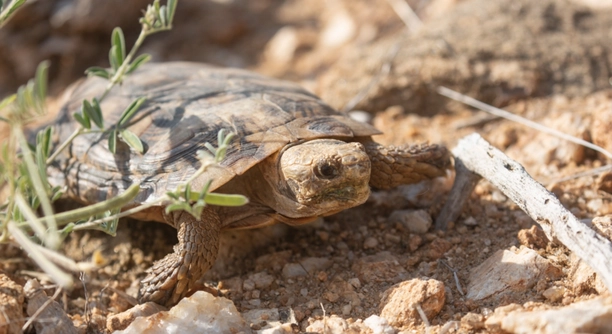
Training your Pancake Tortoise to eat from your hand is a rewarding experience. With patience and the right steps, you can build a trusting relationship with your pet and make feeding time an enjoyable part of your routine.
To train your Pancake Tortoise to eat from your hand, consistency and gentle handling are key. Start by offering food in a quiet environment and gradually progress to placing food closer to your hand. With time, your tortoise will associate your hand with food and begin to eat from it.
Understanding the process will help you build trust and improve the bond with your Pancake Tortoise. Keep reading to learn the essential steps to achieve this goal.
1. Preparing the Right Environment
Before you begin training, it’s important to create a peaceful space for your Pancake Tortoise. Choose a quiet area where your tortoise feels safe and undisturbed. A calm environment will help your tortoise feel comfortable and focused, which is essential when introducing new experiences. Ensure there are no loud noises or sudden movements that could startle them.
To make training more effective, remove any distractions. Keep the area clean and free from other pets. This will help your tortoise stay focused on the task at hand and not get distracted by external factors.
Training becomes much easier when your Pancake Tortoise is in an environment where they can relax. Providing a stress-free atmosphere creates a solid foundation for building trust.
2. Choosing the Right Food
It’s essential to select food your Pancake Tortoise loves. If your tortoise isn’t interested in the food you offer, training will be more difficult. Try different vegetables and fruits, and observe which ones your tortoise responds to the most. Offer foods that are fresh and vibrant to pique their interest.
Once you know their favorite foods, use them as an incentive. Hold the food close to your hand to make it tempting and ensure it’s easy for them to reach. Gradually move the food closer to your fingers over time.
Once your tortoise begins to associate your hand with the food they love, the process of hand-feeding becomes smoother. The key is to be patient and consistent, using their favorite treats to encourage them to trust you more.
3. Gradually Introducing Your Hand
Start by placing the food near your tortoise but not directly in your hand. Let your tortoise get used to the presence of your hand without feeling threatened. Over time, place the food closer to your fingers. This step builds the initial trust needed for further progress.
It’s important to be slow and deliberate. If your tortoise moves away or shows signs of discomfort, take a step back and try again later. Consistency is key, so make sure you keep repeating this step daily. Eventually, your tortoise will start to see your hand as a source of food.
Once your tortoise is comfortable eating close to your hand, gently move your fingers closer. Allow them to sniff or touch your hand, reinforcing the association with food. This process might take time, but with patience, your tortoise will learn to associate your hand with meals.
4. Building Trust Through Positive Reinforcement
Rewarding your tortoise is an essential part of the training process. After each successful attempt, give them extra food or praise. This helps reinforce positive behavior and encourages your tortoise to continue approaching your hand for food.
If your tortoise eats from your hand, offer an additional treat as a reward. Make sure that the rewards are something they enjoy, so they are motivated to keep eating from your hand. It’s helpful to stick to the same routine so your tortoise begins to recognize when food is available.
Patience plays a big role in training. Sometimes, progress may feel slow, but every small step forward is progress. Consistently offering rewards and showing your tortoise that eating from your hand results in positive outcomes will build trust over time.
5. Be Consistent with Feeding Times
Having a routine helps your Pancake Tortoise feel secure. Try feeding them at the same time each day. This regularity makes your tortoise more comfortable and familiar with the process. Consistency builds trust and encourages your tortoise to expect food from you.
Once they begin to expect food from your hand at a set time, they will start coming toward you more eagerly. This routine is essential for creating a strong bond and helping your tortoise recognize you as a source of nourishment.
6. Patience is Key
Training a Pancake Tortoise takes time. Every tortoise has a different pace, so be patient and allow your pet to move at their own speed. Avoid forcing your tortoise to eat from your hand. This could cause stress and set back your progress.
Sometimes, the process may seem slow, but persistence is important. If your tortoise doesn’t show immediate interest, give them time and try again later. With patience, they’ll eventually come around. The key is to stay calm and remain consistent throughout the training process.
7. Monitor Progress and Adjust When Necessary
Watch how your tortoise responds. If they are reluctant or appear stressed, reassess the training environment or the food you’re offering. Consider switching up the food or creating a more inviting atmosphere.
Adjusting to your tortoise’s needs helps the training process remain smooth. Not every step may go perfectly, and that’s okay. It’s important to remain flexible and find the best approach for your tortoise’s comfort and progress.
FAQ
Why is my Pancake Tortoise not eating from my hand?
If your Pancake Tortoise isn’t eating from your hand, it could be due to several factors. First, make sure you’re offering food your tortoise enjoys. If the food isn’t appealing, they won’t be interested. Another reason could be that your tortoise isn’t used to being handled. Some tortoises take time to adjust to human interaction. Try being patient and consistent with the training process. Ensure the environment is quiet and safe. Over time, your tortoise should become more comfortable and begin associating your hand with food.
How long will it take for my tortoise to eat from my hand?
The time it takes for a Pancake Tortoise to eat from your hand can vary. Some may take a few days, while others might take weeks. Tortoises are naturally cautious, and it’s important to respect their pace. If you continue with consistent, positive interactions, most tortoises will begin to trust you. Just remember, patience and repetition are key. Don’t rush the process, as stress can cause setbacks.
Can I train my tortoise to eat from my hand if they are older?
Yes, even older tortoises can learn to eat from your hand. While younger tortoises may be quicker to adapt, older ones can still form new habits with the right approach. The training process for an older tortoise might take a bit longer, but consistency, patience, and a calm environment will still yield results. The key is to ensure your older tortoise feels safe and comfortable during the process.
How often should I try feeding my tortoise by hand?
Try offering food from your hand once or twice a day, but don’t overwhelm your tortoise. Daily attempts are important for building trust, but be mindful of your tortoise’s comfort level. If they seem stressed, take a break and try again later. Over time, your tortoise will begin to understand that your hand is a source of food.
What if my tortoise keeps walking away when I try to feed them?
If your tortoise keeps walking away, it’s important to re-evaluate the situation. Make sure the environment is calm, and there are no distractions. Try to place the food closer to your hand without forcing it. If your tortoise seems scared, back off and give them some space. It might take time for them to feel comfortable eating near you, so be patient and gentle.
Can I use different types of food to encourage them to eat from my hand?
Yes, offering a variety of foods can help. Some tortoises may prefer certain vegetables, fruits, or even flowers. You can experiment with different types of food to see which ones they like best. Offering treats like dandelion greens, squash, or small amounts of fruit can make hand-feeding more enticing. Always ensure the food is safe for your tortoise and properly prepared.
How can I make my tortoise feel more comfortable when eating from my hand?
To make your tortoise feel more comfortable, always approach them slowly and calmly. Avoid sudden movements that may startle them. Start by placing the food near them, then gradually move your hand closer over time. It may also help to feed your tortoise at a consistent time each day, so they learn to expect it. Creating a routine helps them feel secure.
Is it normal for my tortoise to take a while to start eating from my hand?
Yes, it’s completely normal. Tortoises are naturally shy and cautious animals, so it may take some time before they’re comfortable eating from your hand. Don’t get discouraged if progress is slow. Focus on building trust gradually, and your tortoise will eventually eat from your hand when they feel secure.
What should I do if my tortoise refuses to eat entirely?
If your tortoise refuses to eat entirely, check for underlying health issues. Stress, illness, or an improper diet can cause a loss of appetite. Make sure the environment is ideal for your tortoise, with the right temperature, humidity, and lighting. If the refusal to eat continues, consult a veterinarian to rule out any health concerns.
Can my tortoise become too dependent on me for food?
It’s unlikely that your tortoise will become overly dependent on you for food, but it’s essential to maintain a balance. Hand-feeding can be a bonding experience, but your tortoise should still have access to food in their habitat. Offer a variety of foods in their enclosure to ensure they are getting a balanced diet. Hand-feeding should be a positive, trust-building activity rather than the only source of nourishment.
Final Thoughts
Training your Pancake Tortoise to eat from your hand is a rewarding process that requires patience and consistency. While the time it takes may vary depending on your tortoise’s personality, the steps you follow will build trust and improve your bond. Creating a calm, quiet environment and using your tortoise’s favorite foods will make the training smoother. It’s important to move at a pace your tortoise feels comfortable with, as rushing could cause stress and slow down progress. By keeping the experience positive and rewarding, you’ll encourage your tortoise to feel more secure in interacting with you.
Building trust with your Pancake Tortoise is a gradual process. Every tortoise is different, and it’s essential to respect their pace. Some may adapt quickly, while others might take longer. Consistency is key, and offering food at the same time every day helps create a sense of routine. As your tortoise starts to expect food from your hand, their comfort level will increase, making it easier to feed them. Over time, this routine will help them feel more at ease, and you’ll see positive changes in their behavior.
Remember that every small step counts, and progress may sometimes feel slow. It’s perfectly normal for your tortoise to be hesitant or shy at first. The most important thing is to stay patient and gentle. Avoid forcing any interaction, as this can cause your tortoise to become fearful, which can undo all your hard work. With persistence, your Pancake Tortoise will learn to associate your hand with food and trust you more, making feeding time an enjoyable and bonding experience.

Hello,
If you enjoy the content that we create, please consider saying a "Thank You!" by leaving a tip.
Every little bit helps us continue crafting quality advice that supports the health, happiness, and well-being of pets around the world, for pets of all shapes, sizes, and species.
We really appreciate the kindness and support that you show us!