
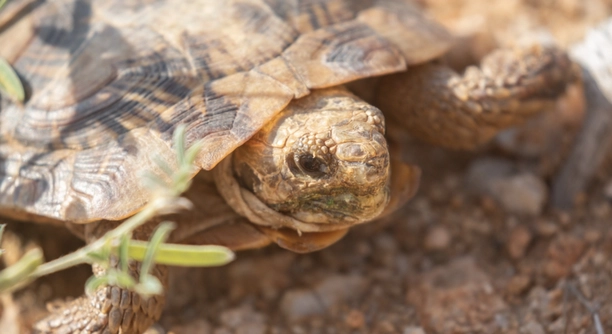
Pancake tortoises are unique pets with fascinating behaviors. If you’ve noticed your tortoise making whistling sounds, it could be puzzling. Understanding the reasons behind this can help ensure your tortoise’s health and comfort.
The whistling sounds made by a pancake tortoise are often a result of respiratory issues, stress, or environmental factors. It’s essential to monitor their habitat for changes in humidity, temperature, and diet to address potential causes.
Exploring these causes can lead to better care for your pancake tortoise. Understanding the issue helps maintain a healthy environment for your pet’s well-being.
Possible Respiratory Issues
Whistling sounds can be linked to respiratory issues, often caused by infections, stress, or environmental changes. Pancake tortoises, like many reptiles, can develop respiratory infections from poor air circulation, excessive humidity, or fluctuating temperatures. A sign of a respiratory issue may be wheezing, labored breathing, or the whistling sound you hear. If your tortoise shows these symptoms, it’s crucial to address the underlying cause promptly. A proper habitat setup, with consistent temperature and humidity levels, is essential to avoid further complications. It’s important to monitor their behavior and consult a veterinarian if the symptoms persist.
When dealing with respiratory concerns, keeping your tortoise in a well-ventilated, warm, and dry environment is key. Lack of proper care or exposure to drafts can increase the risk of infections. Taking proactive steps can help keep your tortoise healthy and comfortable.
Ensure your tortoise has access to a clean and controlled environment to reduce the likelihood of respiratory issues. Monitoring your pet’s health regularly can make a significant difference in their well-being.
Stress and Anxiety
Another factor that may cause whistling sounds is stress. A pancake tortoise may whistle when it feels threatened or anxious. This could be due to sudden changes in its environment, loud noises, or overcrowded living conditions. Tortoises are sensitive creatures, and they require a peaceful, stable environment to thrive. If your tortoise has been in a new enclosure or has experienced handling that it’s not used to, it may respond with vocalizations like whistling.
To reduce stress, ensure the enclosure is calm and quiet, with ample hiding spots. Overexposure to handling can also contribute to anxiety in your tortoise. Allow it time to adjust to its environment before making any changes or attempting to handle it too much.
A stressed tortoise may also stop eating or show signs of lethargy. By providing a stable environment and respecting their space, you can alleviate some of the causes of stress. This will likely reduce any whistling sounds related to anxiety.
Habitat Temperature and Humidity
The temperature and humidity levels in your tortoise’s habitat play a significant role in its overall health. Pancake tortoises require a warm environment, ideally between 75-85°F during the day. Inadequate heating or fluctuating temperatures may lead to respiratory issues, contributing to the whistling sounds.
If the humidity levels are too high or low, your tortoise may start showing signs of distress. Aim for humidity levels between 50-70%, as this is optimal for their well-being. Too much humidity can encourage fungal infections or respiratory complications, while low humidity can lead to dehydration.
Regularly check the temperature and humidity to ensure it’s within the right range. Using a thermometer and hygrometer can help you maintain these conditions accurately. Providing a stable and consistent environment will reduce stress on your tortoise and prevent health issues related to improper habitat conditions.
Diet and Digestive Health
Diet plays an essential role in the health of your pancake tortoise, affecting its overall well-being. Improper or inadequate nutrition can lead to digestive issues, which may also trigger whistling sounds. Tortoises need a diet rich in fiber, including leafy greens, grasses, and occasional fruits.
A lack of fiber can cause indigestion, bloating, or discomfort, which might lead to abnormal behaviors like vocalizations. Make sure your tortoise is getting the proper nutrients it needs, and avoid feeding foods that are too rich or high in fat. Overfeeding can also lead to digestive stress, making the sounds more noticeable.
Providing a balanced diet, including the right types of greens and the correct portion sizes, ensures your tortoise remains healthy. Proper digestion helps reduce stress and eliminates digestive discomfort, leading to fewer whistling sounds related to dietary imbalances.
Poor Ventilation
Poor ventilation in your tortoise’s habitat can lead to respiratory issues, which may cause whistling sounds. Ensure the enclosure is well-ventilated to allow fresh air to circulate, reducing the chance of infections. Lack of airflow can cause stagnant air, which increases humidity and risks health problems.
It’s important to check that the habitat has proper ventilation, especially if using a closed container. Consider using a mesh lid or ventilation holes to allow air to flow freely. This simple step can reduce respiratory stress and prevent unnecessary whistling sounds from developing.
Lack of Hiding Spaces
Tortoises, especially pancake tortoises, need hiding spots to feel secure. Without proper hiding spaces, they may become stressed, leading to unusual vocalizations. Providing places where your tortoise can retreat to feel safe will help reduce anxiety and prevent the whistling sounds associated with stress.
A simple hide or shaded area can give your tortoise the sense of safety it craves.
FAQ
Why is my pancake tortoise making whistling sounds?
Whistling sounds often indicate a respiratory issue, stress, or environmental discomfort. If the habitat is too humid, too dry, or not well-ventilated, it can contribute to respiratory distress. Additionally, anxiety from changes in its environment, overcrowding, or handling can cause these vocalizations. It’s crucial to monitor temperature, humidity, and stress factors to identify the cause.
How can I tell if my tortoise has a respiratory infection?
Symptoms of a respiratory infection in a pancake tortoise include wheezing, nasal discharge, lethargy, or labored breathing. If the tortoise is making whistling or clicking sounds while breathing, it’s a sign that it may be struggling with an infection. If any of these signs are present, it’s important to consult a veterinarian for diagnosis and treatment.
What temperature and humidity should my tortoise’s habitat have?
A pancake tortoise’s habitat should maintain a temperature between 75-85°F during the day. At night, it can drop slightly but should remain above 70°F. Humidity should be kept between 50-70%. Too high or too low humidity can lead to health problems, including respiratory distress, which may cause whistling.
Can a poor diet cause my tortoise to make whistling sounds?
Yes, a poor diet can cause digestive issues, leading to discomfort and stress. A diet lacking in fiber or containing too many fatty foods can result in bloating, indigestion, or constipation. Digestive discomfort may cause abnormal behaviors like whistling. Providing a balanced diet rich in fiber and appropriate greens can prevent this.
Is it possible for stress to make my tortoise whistle?
Yes, stress is a common cause of whistling sounds. If your tortoise is exposed to sudden changes in its environment, such as moving to a new enclosure, loud noises, or excessive handling, it may whistle as a sign of anxiety. Ensuring that your tortoise has a calm, quiet space with hiding spots can reduce stress.
What are the best ways to reduce stress in my tortoise?
To reduce stress, provide a stable environment with consistent temperatures, humidity, and minimal handling. Ensure the habitat has enough hiding spaces, and avoid sudden changes to its surroundings. Keep noise levels low and avoid overcrowding. By maintaining a peaceful environment, your tortoise is less likely to experience stress that leads to whistling.
Can my tortoise be overfed?
Yes, overfeeding can lead to digestive stress, which may cause discomfort and lead to whistling sounds. Pancake tortoises require a balanced diet, and overfeeding them can lead to obesity or gastrointestinal issues. Stick to appropriate portion sizes and offer a variety of fresh greens and grasses to maintain a healthy diet.
How can I ensure proper ventilation in my tortoise’s enclosure?
Proper ventilation can be achieved by ensuring your tortoise’s enclosure has sufficient airflow. Consider using mesh lids, vents, or ventilation holes to promote circulation. This will prevent the buildup of stagnant air, which can cause humidity levels to rise and contribute to respiratory problems.
Can loud noises cause my tortoise to make whistling sounds?
Yes, loud noises can stress your tortoise and lead to whistling. Tortoises are sensitive to their environment and may become anxious when exposed to loud or sudden sounds. Keeping the habitat in a quiet, low-traffic area and minimizing noise exposure can help reduce stress-related vocalizations.
Is it okay to handle my tortoise if it’s making whistling sounds?
If your tortoise is making whistling sounds due to stress, it’s best to limit handling until the cause is identified and resolved. Excessive handling can increase anxiety, making the situation worse. Allow your tortoise time to adjust to its environment and consult a veterinarian if health issues are suspected.
How often should I clean my tortoise’s habitat?
Cleaning the habitat regularly is essential for maintaining a healthy environment. It’s important to remove uneaten food, waste, and any bedding that may harbor bacteria. A thorough cleaning should be done at least once a week, but spot cleaning should be done daily to ensure a clean and stress-free environment for your tortoise.
Can I use a heat lamp for my pancake tortoise?
Yes, a heat lamp can be used to maintain the required temperature in your tortoise’s enclosure. Ensure the lamp provides a consistent heat source and that the temperature does not exceed the recommended range. A basking area should be provided, but the overall environment should not become too hot or too cold.
Are there any other sounds my tortoise might make?
In addition to whistling, pancake tortoises may also make sounds like hissing or clicking. Hissing can be a sign of discomfort, stress, or defense. Clicking noises may indicate respiratory issues. Monitoring your tortoise’s behavior and seeking advice from a vet will help determine the cause of any unusual sounds.
How can I tell if my tortoise’s whistling is due to respiratory issues or stress?
It can be tricky to differentiate between stress-induced whistling and respiratory-related sounds, but respiratory issues are usually accompanied by other symptoms, such as nasal discharge, lethargy, or labored breathing. Stress-induced whistling may occur during handling or changes in the environment. If symptoms persist or worsen, it’s best to consult a vet.
Final Thoughts
Addressing whistling sounds in your pancake tortoise begins with a careful examination of its environment and health. Often, these sounds are not just a random occurrence but a sign that something isn’t quite right. It’s important to consider factors like temperature, humidity, ventilation, and diet. These elements can directly impact your tortoise’s overall well-being. By maintaining a stable environment, providing a balanced diet, and managing stress, you can help reduce the chances of your tortoise making distressing noises. If the issue persists, it’s advisable to consult a veterinarian to rule out any underlying health concerns.
Stress is one of the most common reasons for whistling sounds. Tortoises are sensitive creatures, and changes in their environment can lead to anxiety. Whether it’s loud noises, improper handling, or a lack of hiding spots, these factors can all contribute to your tortoise’s discomfort. Ensuring that your tortoise has a quiet, safe space will go a long way in promoting its well-being. Avoiding unnecessary disturbances and offering a stable, predictable routine can help your tortoise feel more at ease, reducing the likelihood of stress-related vocalizations.
Lastly, keeping an eye on your tortoise’s behavior is essential. Whistling sounds shouldn’t be ignored, as they can be a sign of more serious issues, such as respiratory infections or digestive problems. Regular checks on its health and environment are crucial to ensuring that your tortoise remains comfortable and healthy. By maintaining proper habitat conditions, providing sufficient food, and addressing any signs of stress or illness early on, you’ll be better equipped to handle and prevent any future health problems.

Hello,
If you enjoy the content that we create, please consider saying a "Thank You!" by leaving a tip.
Every little bit helps us continue crafting quality advice that supports the health, happiness, and well-being of pets around the world, for pets of all shapes, sizes, and species.
We really appreciate the kindness and support that you show us!