
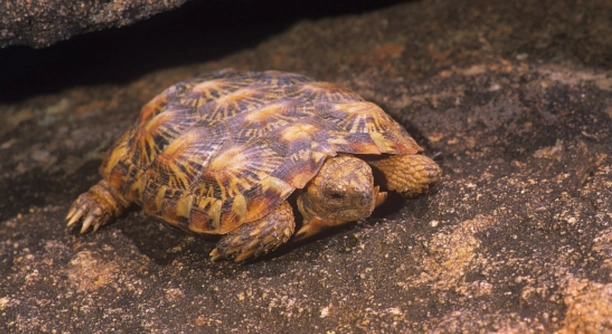
Pancake tortoises are known for their unique appearance and curious behaviors. However, if you notice your pancake tortoise isn’t eating as much as it should, there may be a few factors at play. Addressing this can help improve its appetite.
The most common reasons for a pancake tortoise’s poor appetite are stress, improper diet, and environmental factors. Ensuring a stable environment, offering a balanced diet, and minimizing stress can promote healthy eating habits. Regular health checks are also recommended.
Adjusting these factors may lead to better eating habits and overall health for your pancake tortoise. Implementing changes step by step can make a significant difference.
Proper Diet for Your Pancake Tortoise
The diet you offer plays a major role in your pancake tortoise’s appetite. These reptiles primarily eat grasses, leafy plants, and vegetables. It’s essential to provide a variety of foods to ensure they receive proper nutrients. A lack of variety can lead to boredom or a decreased appetite. Fresh, high-quality food will encourage your tortoise to eat more.
Be sure to avoid high-protein foods that could upset their digestion. Stick to foods such as dandelion greens, clover, and hay. Avoid any processed or sugary treats. Offering food at the right temperature can also help. Cold, unappealing food may make your tortoise hesitant to eat.
When you introduce new foods, do it gradually. Pancake tortoises may not eat unfamiliar foods right away, but over time, they may begin to show more interest. Fresh water should always be available, as dehydration can also reduce their appetite.
Minimizing Stress
Environmental stress can significantly affect a tortoise’s eating habits. Ensure your tortoise has a stable, quiet environment. Loud noises, sudden changes in temperature, or overcrowding can stress it out.
Stress weakens the immune system and causes your tortoise to eat less. A comfortable, secure space will encourage better feeding behavior.
Proper Habitat Conditions
The habitat should be kept warm and dry. Pancake tortoises are sensitive to cold, so ensure their enclosure maintains a consistent temperature. A temperature range of 80-90°F during the day and a slight drop at night is ideal.
To keep your tortoise comfortable, make sure there is adequate hiding space. Providing a sheltered area mimics natural conditions, reducing stress and encouraging eating. Humidity levels also matter—too much moisture can cause discomfort and discourage feeding. Use a reliable thermometer and hygrometer to monitor these factors for optimal health.
A basking area with a heat source helps regulate body temperature. Tortoises rely on external heat sources to digest food effectively. Ensure there are no drafts, as this could lead to health problems and decreased appetite. Lighting is equally important for vitamin D3 production, supporting calcium absorption.
Regular Health Check-ups
It’s crucial to monitor your pancake tortoise’s health to maintain an appetite. If your tortoise isn’t eating, it could be suffering from underlying health issues, like parasites or respiratory infections. These can go unnoticed without regular check-ups.
A vet experienced with reptiles can help identify any health problems early. Regular examinations will also give you peace of mind, knowing your tortoise is healthy. Preventative care is key to ensuring a long, healthy life and a consistent appetite. Keep an eye on changes in behavior, such as lethargy or changes in stool. These signs can point to something wrong.
Consistent Feeding Schedule
A regular feeding schedule can help your pancake tortoise feel secure. Feed it at the same time each day, and avoid feeding it too often or too infrequently. This routine encourages healthy eating habits.
Offering food at set times also helps you monitor how much your tortoise is eating. If it consistently refuses food at certain times, this could indicate a problem with its environment, diet, or health.
Variety in Food
Pancake tortoises enjoy variety, and it’s important to offer a mix of foods. Alternate between different leafy greens, vegetables, and grasses to keep things interesting. Don’t stick to just one type of food.
Variety not only keeps your tortoise engaged but also ensures it receives a balanced diet. A mix of nutritious options helps prevent deficiencies and supports overall health. Rotate foods so your tortoise gets different vitamins and minerals that are essential for growth and energy.
Adjusting for Temperature Changes
Temperature fluctuations can affect your tortoise’s appetite. If it’s too cold, your tortoise may become lethargic and refuse food. A stable temperature is vital, so monitor it regularly.
A proper heating source is essential during colder months. Using a heat lamp or ceramic heater will provide the warmth necessary for digestion and activity. Always ensure that the temperature doesn’t fluctuate too much, as sudden changes can cause stress and reduce feeding.
FAQ
Why is my pancake tortoise not eating?
There are several reasons why your pancake tortoise might not be eating. Stress from environmental changes, temperature fluctuations, or improper habitat conditions can cause a decrease in appetite. Health problems, like parasites or infections, may also play a role. Additionally, if the food provided is not varied or appealing, the tortoise might lose interest in eating. Ensure the habitat is stable, offer a balanced diet, and monitor its behavior for any signs of illness.
How can I tell if my pancake tortoise is stressed?
Signs of stress in pancake tortoises include a lack of appetite, excessive hiding, or unusual behavior like pacing. If the tortoise appears lethargic or doesn’t respond to food, it might be stressed. Stress can also manifest as excessive scratching or attempts to escape the enclosure. Reducing noise, ensuring a stable temperature, and providing a comfortable hiding space can help alleviate stress.
What should I feed my pancake tortoise?
Pancake tortoises thrive on a diet of leafy greens, grasses, and vegetables. Foods like dandelion greens, clover, collard greens, and hay are excellent choices. Be sure to offer a variety of options to keep your tortoise interested. Avoid high-protein or sugary foods, as they can cause health problems. Fresh, clean water should always be available, as dehydration can reduce appetite.
Can temperature affect my tortoise’s appetite?
Yes, temperature plays a significant role in your tortoise’s appetite. If the enclosure is too cold, the tortoise’s metabolism slows down, making it less likely to eat. A temperature range of 80-90°F during the day, with a slight drop at night, is ideal for pancake tortoises. Ensure a heat source is available to maintain this range, especially during colder months.
How often should I feed my pancake tortoise?
Pancake tortoises should be fed daily, but you should adjust based on its age and activity level. Juveniles may require more frequent feedings, while adults typically eat once a day or every other day. Make sure the food is offered at the same time each day to establish a routine. Overfeeding can lead to health problems, so offer only what the tortoise can eat in a short time.
Is it normal for my pancake tortoise to refuse food?
Pancake tortoises may refuse food occasionally due to environmental stress, temperature changes, or minor health issues. However, if the refusal lasts for an extended period, it could be a sign of a more significant problem, such as illness. If your tortoise is refusing food for more than a few days, a check-up with a vet is recommended.
How do I know if my pancake tortoise is dehydrated?
Signs of dehydration in pancake tortoises include lethargy, sunken eyes, and dry skin. If the tortoise is not drinking water or eating enough moisture-rich foods, it may become dehydrated. To prevent dehydration, ensure fresh water is always available and consider soaking the tortoise in shallow, lukewarm water for 20-30 minutes a few times a week to aid hydration.
Should I give my pancake tortoise supplements?
Pancake tortoises may benefit from calcium and vitamin D3 supplements, especially if their diet lacks certain nutrients. These supplements are essential for proper shell and bone development. However, consult a veterinarian before adding supplements to your tortoise’s diet, as over-supplementing can cause health problems.
What size should my pancake tortoise’s enclosure be?
A pancake tortoise needs plenty of space to roam. The minimum enclosure size should be 4 feet by 2 feet for an adult tortoise. Larger enclosures are better as they allow more room for exercise and exploration. Be sure to include areas for basking, hiding, and eating to ensure your tortoise is comfortable.
How can I improve the humidity levels in my tortoise’s enclosure?
Pancake tortoises prefer a dry environment, so humidity levels should be kept between 40-60%. To maintain proper humidity, mist the enclosure lightly with water once or twice a day. Avoid excessive humidity, as this can lead to respiratory issues or shell rot. Always monitor humidity levels using a hygrometer to ensure they stay within the ideal range.
Final Thoughts
Maintaining a healthy appetite in your pancake tortoise requires consistent care and attention. Providing a stable and comfortable environment is essential. This includes keeping the enclosure at the right temperature, offering a variety of foods, and ensuring it has enough space to move around. Stress, whether from temperature changes or improper habitat conditions, can significantly affect a tortoise’s appetite. Therefore, it’s important to monitor its behavior regularly to spot any changes that could indicate stress or health issues.
It’s also crucial to address any potential health problems early on. Regular check-ups with a veterinarian experienced with reptiles can help prevent or treat illnesses that could affect your tortoise’s appetite. If your tortoise is not eating, consider factors like its diet, temperature, and overall health. Some signs of stress or illness, such as lethargy or refusal to eat, are red flags that should not be ignored. By closely monitoring these aspects, you can ensure your tortoise remains healthy and continues to thrive in its environment.
Feeding your pancake tortoise a balanced diet of leafy greens, vegetables, and grasses can prevent nutritional deficiencies and encourage healthy eating habits. Consistency in feeding times and offering a variety of foods will help keep your tortoise interested in its meals. With the right care, your pancake tortoise can enjoy a long, healthy life with a healthy appetite. Always prioritize its well-being, and don’t hesitate to consult with a reptile specialist if any issues arise. This proactive approach will ensure that your tortoise remains active, happy, and well-fed.

Hello,
If you enjoy the content that we create, please consider saying a "Thank You!" by leaving a tip.
Every little bit helps us continue crafting quality advice that supports the health, happiness, and well-being of pets around the world, for pets of all shapes, sizes, and species.
We really appreciate the kindness and support that you show us!