
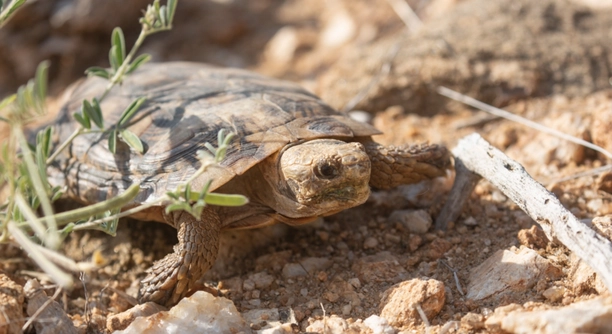
Pancake tortoises are fascinating creatures, and their unique features can sometimes raise questions. One such concern is when their beak appears overgrown. Understanding this condition is crucial for your tortoise’s health and well-being.
The most common cause of an overgrown beak in pancake tortoises is improper diet or insufficient calcium intake. A lack of essential nutrients can lead to abnormal beak growth. Additionally, inadequate opportunities for natural wear and tear can also contribute.
Addressing these factors can help prevent further issues and ensure a healthier future for your pancake tortoise. Understanding the underlying causes is key to effective care.
Insufficient Diet and Nutrient Deficiency
An imbalanced diet is one of the main reasons for an overgrown beak in pancake tortoises. They require a variety of vegetables, fruits, and some high-calcium foods to maintain proper beak health. Without a steady supply of these nutrients, their beaks can grow irregularly. Calcium is especially vital for shell and bone development, and when absent, it can cause excessive beak growth.
The growth can be quite noticeable if the diet lacks the essential elements. While they may not show symptoms right away, the problem will eventually become more apparent as the beak starts to grow in an unhealthy manner. If you notice an overgrown beak, you’ll need to reevaluate your tortoise’s meals and ensure that they’re getting enough of the necessary nutrients.
Be sure to include leafy greens like collard greens, dandelion greens, and other calcium-rich foods. You might also consider adding supplements to their diet if they aren’t consuming enough from food sources. This can prevent further issues and support long-term health.
Lack of Proper Habitat and Natural Wear
If a pancake tortoise’s habitat doesn’t allow for sufficient natural wear of the beak, it can cause overgrowth. A rocky environment is ideal for your tortoise to naturally grind down its beak. If their enclosure lacks proper surfaces, the beak won’t wear down on its own.
Providing a suitable habitat for your pancake tortoise with rocks, hard surfaces, and even branches can promote natural wear and help maintain the proper shape of the beak.
Poor Temperature Control
Inadequate temperature regulation can affect a pancake tortoise’s digestion and overall health. The wrong temperature can lead to slower metabolism, which in turn impacts how the body processes nutrients. This can result in an overgrown beak, as proper metabolism is essential for balanced growth.
Ensure the enclosure maintains a stable, warm environment. Temperature fluctuations or excessively low temperatures can make it difficult for your tortoise to absorb nutrients effectively. With a consistent temperature, your tortoise will have the energy to regulate its growth, including keeping its beak at a healthy size.
A basking area with a heat lamp is a must. The area should be warm but not too hot, as this can stress the tortoise. A thermometer can help you monitor the temperature closely. With the right environment, the body functions properly, reducing the chances of abnormal beak growth.
Overfeeding
Overfeeding is another common issue that leads to an overgrown beak. When pancake tortoises are given too much food, especially the wrong types of food, they may gain weight, and their growth rates can become imbalanced. This may also cause their beaks to grow longer than necessary.
It’s essential to establish proper feeding guidelines. Stick to a balanced portion of food to avoid overfeeding. Fresh vegetables and limited fruits should be the bulk of the diet. Overfeeding on certain foods, such as fruits high in sugar, can lead to excessive growth and other health concerns.
Lack of Proper Hydration
Insufficient water intake can contribute to an overgrown beak. Dehydration can slow down the tortoise’s overall metabolism, making it harder for its body to process nutrients. This leads to irregular growth, including the beak.
Make sure your pancake tortoise always has access to clean, fresh water. Dehydration can affect various bodily functions and increase the risk of beak issues. Always check the water dish and refill it daily.
Stress or Illness
Stress or illness can also play a role in the development of an overgrown beak. When a tortoise is stressed or unwell, its immune system may weaken, impacting its growth patterns. This can result in abnormal beak growth.
Stress factors such as loud noises, frequent handling, or overcrowded living conditions can cause long-term issues for your tortoise’s health. Always aim to create a calm and stable environment.
FAQ
What can I do if my pancake tortoise’s beak is overgrown?
If your pancake tortoise’s beak is overgrown, the first step is to evaluate its diet and living conditions. Make sure it’s getting enough calcium and other essential nutrients. You can also provide rocks or rough surfaces to allow natural wear of the beak. If the overgrowth is severe, consulting with a veterinarian may be necessary for safe trimming.
How often should I check my pancake tortoise’s beak?
It’s a good idea to check your tortoise’s beak every few weeks, especially if you notice any signs of abnormal growth. Regular checks help catch any issues early, ensuring that your tortoise stays healthy. Look for signs like uneven growth or overgrowth at the tips of the beak.
Can overfeeding cause my pancake tortoise’s beak to grow too much?
Yes, overfeeding can contribute to an overgrown beak. If your tortoise is eating excessive amounts of food, particularly those with high sugar content, it may result in imbalanced growth. Stick to a controlled feeding schedule with appropriate portions to avoid this issue. Focus on a variety of vegetables and limit fruits.
Is it necessary to trim a pancake tortoise’s beak?
In some cases, trimming may be necessary, especially if the beak has grown excessively long and cannot be naturally worn down. A veterinarian or an experienced reptile handler can perform this procedure. Never attempt to trim the beak yourself unless you have the proper experience.
Can stress cause an overgrown beak in pancake tortoises?
Yes, stress can have a negative impact on your tortoise’s health, including the growth of its beak. Stress can cause a weakened immune system and lead to irregular growth. It’s important to ensure your tortoise has a calm and stable environment, free from excessive noise, handling, or disturbances.
What should I do if my pancake tortoise is not eating enough?
If your pancake tortoise is not eating enough, there could be a few reasons, such as illness, stress, or improper temperature. Check the habitat’s temperature and humidity levels, and make sure there is no overcrowding. If the issue persists, consult a veterinarian to rule out any underlying health problems.
How can I make sure my pancake tortoise gets enough calcium?
To ensure your tortoise gets enough calcium, provide calcium-rich foods such as leafy greens like collard greens, dandelion greens, and other dark leafy vegetables. Additionally, you can offer calcium supplements specifically designed for reptiles. Always be sure to provide fresh, clean water and avoid feeding too many high-oxalate foods, as they can block calcium absorption.
What signs indicate that my pancake tortoise’s beak is growing improperly?
Signs that your tortoise’s beak is growing improperly include the beak looking unusually long, curved, or jagged. If your tortoise is having trouble eating or seems uncomfortable, that’s another red flag. Regular checks and early intervention can help prevent major health concerns related to beak overgrowth.
Can I fix an overgrown beak at home?
Minor beak issues, such as small chips or slight overgrowth, can sometimes be addressed by providing proper habitat conditions and diet changes. However, if the beak is significantly overgrown, it’s best to consult a veterinarian for professional care. Trimming should be done carefully and by someone experienced.
How can I prevent my pancake tortoise’s beak from overgrowing in the future?
The best way to prevent overgrowth is to provide a balanced diet, proper hydration, and the right environmental conditions. Ensure the enclosure includes rough surfaces like rocks for natural wear of the beak. Keep an eye on the temperature and humidity levels, and regularly check the tortoise’s beak for signs of abnormal growth.
What type of food is best for a pancake tortoise to prevent overgrown beaks?
Leafy greens like collard greens, kale, and dandelion greens are ideal for pancake tortoises. They should be offered a variety of vegetables and limited fruits. Avoid feeding too many sugary foods, as this can lead to obesity and improper growth, including the overgrowth of the beak.
Is it safe to trim a pancake tortoise’s beak?
Trimming a pancake tortoise’s beak should only be done by a professional, such as a veterinarian or experienced reptile handler. If done incorrectly, trimming could cause injury or stress. It’s important to avoid trimming the beak yourself, as it requires skill and proper knowledge of the tortoise’s anatomy.
How does poor temperature affect my pancake tortoise’s beak?
Incorrect temperature can affect your tortoise’s metabolism, causing nutrient absorption issues. When the temperature is too low, the tortoise’s body doesn’t function as efficiently, and this can lead to irregular growth, including an overgrown beak. Ensure your tortoise’s enclosure stays within the ideal temperature range for optimal health.
Final Thoughts
Maintaining a healthy beak for your pancake tortoise requires attention to its diet, environment, and overall care. An overgrown beak is often a sign of an underlying issue, such as poor hydration, stress, or nutrient imbalances. Regular checks can help identify potential problems before they escalate. In some cases, the issue may be addressed with simple changes to the tortoise’s habitat or diet, such as providing rough surfaces for natural beak wear or adjusting its food intake. Ensuring a proper balance of calcium and vitamins is also essential for maintaining the tortoise’s health and preventing issues related to its beak.
If you notice that your tortoise’s beak is growing abnormally, it’s important to take action promptly. While minor cases of overgrowth can often be managed with adjustments to the tortoise’s care routine, severe cases may require professional intervention. A veterinarian with experience in reptile care can safely trim the beak and provide advice on how to prevent future problems. It’s crucial not to attempt trimming the beak yourself, as this could cause injury or unnecessary stress to the animal. Veterinary care ensures the health of your tortoise is prioritized, and the issue is handled correctly.
Prevention is always the best approach when it comes to the health of your pancake tortoise. By providing a balanced diet, proper hydration, and a stress-free environment, you can minimize the chances of beak overgrowth occurring. Keep a consistent routine for checking your tortoise’s beak and overall health. When issues arise, take them seriously and address them quickly. With proper care, your pancake tortoise can continue to thrive, and its beak will remain healthy and functional for many years.

Hello,
If you enjoy the content that we create, please consider saying a "Thank You!" by leaving a tip.
Every little bit helps us continue crafting quality advice that supports the health, happiness, and well-being of pets around the world, for pets of all shapes, sizes, and species.
We really appreciate the kindness and support that you show us!