
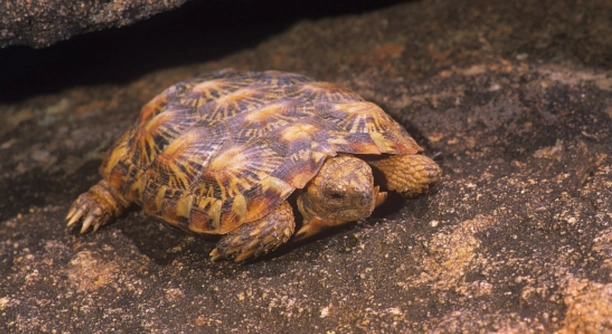
Is your pancake tortoise’s shell feeling softer than usual, leaving you concerned about its health? A soft shell can indicate nutritional deficiencies, improper habitat conditions, or underlying health issues. Addressing the cause promptly can help your tortoise regain its shell strength.
The most effective way to help a pancake tortoise with a soft shell recover is by ensuring proper calcium intake, providing UVB lighting, and maintaining optimal humidity levels. A well-balanced diet and regular veterinary check-ups are also essential for preventing further shell deterioration.
Creating a stable environment and offering the right nutrition can make a significant difference in your tortoise’s recovery. Understanding these key factors will help you provide the best care for a healthier shell.
Ensure Proper Calcium Intake
Calcium is essential for maintaining a strong shell in pancake tortoises. Without enough calcium, the shell becomes weak and prone to deformities. Providing calcium-rich foods such as dark leafy greens, cuttlebone, and supplements helps support shell health. Calcium absorption is also dependent on vitamin D3, which can be obtained through proper UVB lighting. Without this vitamin, the tortoise’s body cannot effectively use calcium, leading to further shell softening. Dusting food with calcium powder and ensuring a well-balanced diet can prevent long-term health issues. A consistent feeding schedule with high-quality nutrition is key to recovery.
A lack of calcium can weaken the entire skeletal structure, making the tortoise more vulnerable to injuries. If left untreated, this can lead to permanent deformities and mobility issues. Addressing the problem early with proper nutrition can help strengthen the shell.
Feeding a variety of nutrient-dense foods ensures that your tortoise gets enough vitamins and minerals. Along with calcium-rich options, consider incorporating vegetables like squash and carrots for additional benefits. Avoid foods high in oxalates, such as spinach, as they interfere with calcium absorption. Supplementing the diet properly will help your tortoise regain shell strength over time.
Provide UVB Lighting
UVB lighting plays a crucial role in shell health. Without it, pancake tortoises cannot properly metabolize calcium, leading to shell softening. A high-quality UVB bulb mimicking natural sunlight is essential for indoor tortoises.
Providing a proper lighting setup ensures your tortoise receives the right amount of UVB exposure. A 10-12% UVB bulb should be placed at an appropriate distance within the enclosure to mimic natural sunlight. Replace the bulb every six months, as UVB output diminishes over time. A basking area with a temperature between 85-95°F allows for proper thermoregulation. Without sufficient heat, the tortoise may struggle to absorb nutrients effectively. Outdoor enclosures with access to natural sunlight are ideal, but if that’s not possible, a well-maintained UVB setup is necessary.
Monitoring your tortoise’s behavior can help determine if it is getting adequate UVB exposure. A lack of activity, soft shell development, or unusual eating habits may indicate that adjustments are needed. Ensuring the right balance of UVB and warmth will aid in recovery and promote long-term shell strength.
Maintain Optimal Humidity Levels
Pancake tortoises require a balanced humidity level to support shell health. Too much humidity can lead to shell rot, while too little can cause dehydration. Aim for a humidity range of 40-60% to create a stable environment that supports proper shell development and overall well-being.
A hygrometer helps monitor humidity levels accurately. If the enclosure is too dry, lightly misting the habitat or adding a humidity box with damp sphagnum moss can help maintain moisture. However, excessive moisture should be avoided, as it can promote bacterial growth and infections. A well-ventilated enclosure with proper substrate, such as a mix of sand and soil, ensures adequate humidity retention without excessive dampness. Regular monitoring and adjustments prevent sudden fluctuations that may negatively impact your tortoise’s health.
Proper hydration plays a role in maintaining shell strength. Providing a shallow water dish allows your tortoise to drink and soak as needed. Soaking your tortoise in lukewarm water a few times a week can also prevent dehydration, especially if humidity levels fluctuate. Ensuring a balance between hydration and enclosure humidity helps support shell recovery while preventing potential respiratory issues caused by excess moisture.
Offer a Balanced Diet
A well-balanced diet is essential for a strong and healthy shell. Feeding a variety of nutrient-dense foods ensures that your tortoise receives adequate vitamins and minerals. Leafy greens, vegetables, and occasional fruits provide the necessary nutrients to promote shell strength and prevent deficiencies.
Calcium-rich foods such as dandelion greens, mustard greens, and turnip greens should be a staple in your tortoise’s diet. Offering cuttlebone or calcium powder supplements helps prevent metabolic bone disease, which can lead to a weakened shell. Foods high in oxalates, such as spinach and beet greens, should be avoided, as they interfere with calcium absorption. Proper hydration is also important, so fresh water should always be available. Feeding consistency and variety ensure your tortoise receives all essential nutrients for optimal recovery.
Adding fiber-rich vegetables like squash and carrots supports digestion and overall health. Occasional protein sources, such as cooked egg or mealworms, can be beneficial in small amounts. However, avoid high-protein diets, as they can cause kidney strain and other health complications. Observing your tortoise’s eating habits and adjusting the diet accordingly ensures proper nutrient intake, aiding in shell recovery and long-term well-being.
Ensure Proper Hydration
Dehydration can weaken a pancake tortoise’s shell, making it more prone to damage. Always provide fresh water in a shallow dish for easy access. Regular soaks in lukewarm water help maintain hydration, especially if the tortoise isn’t drinking enough on its own.
A diet rich in water-containing vegetables, such as cucumbers and zucchini, supports hydration. Avoid excessive fruit intake, as the high sugar content can disrupt digestion. Monitoring your tortoise’s water intake and adjusting environmental humidity ensures it stays hydrated, promoting overall shell strength and preventing further health complications.
Reduce Stress Levels
A calm environment plays a crucial role in shell recovery. Loud noises, excessive handling, or sudden changes in the enclosure can cause stress, weakening the immune system. Keeping a stable routine and providing proper hiding spots helps your tortoise feel safe and comfortable.
Schedule Regular Vet Check-Ups
Routine veterinary visits help detect underlying health issues that may contribute to a soft shell. A vet can assess diet, lighting, and overall care while recommending necessary supplements or treatments. Catching problems early ensures your tortoise receives the proper care for a strong and healthy shell.
FAQ
How long does it take for a pancake tortoise’s shell to harden?
The recovery time depends on the severity of the condition, diet, and habitat conditions. In mild cases, noticeable improvement can occur within a few months. Severe cases may take over a year, requiring consistent care, proper nutrition, and veterinary guidance to ensure full shell development and strength.
Can a soft shell be reversed completely?
Yes, a soft shell can often be reversed with proper care. Providing adequate UVB exposure, a calcium-rich diet, and a well-maintained environment helps strengthen the shell over time. However, severe cases may result in permanent shell deformities if not addressed early with the right interventions.
What are the signs that a pancake tortoise’s shell is improving?
A firmer shell texture, improved activity levels, and better appetite indicate recovery. The edges of the shell may become stronger, and the tortoise will show normal behaviors like climbing and burrowing. Regular shell checks help track progress and ensure ongoing improvements in overall health.
Is a UVB lamp necessary if my tortoise gets natural sunlight?
Natural sunlight is the best source of UVB, but if outdoor exposure is inconsistent or limited, a high-quality UVB lamp is necessary. Tortoises need UVB to process calcium properly and prevent metabolic bone disease, ensuring shell hardness and overall skeletal strength.
How often should I supplement my tortoise’s diet with calcium?
Calcium supplements should be provided two to three times a week. Dusting leafy greens with calcium powder ensures proper intake. For young or recovering tortoises, daily supplementation may be beneficial. Avoid excessive calcium, as it can lead to imbalances and kidney issues.
Can improper substrate affect shell health?
Yes, the wrong substrate can impact shell health. A mix of sand and soil mimics the natural habitat, allowing burrowing while maintaining proper humidity. Substrates that retain too much moisture or are too dry can cause shell problems, so regular monitoring and adjustments are necessary.
What foods should be avoided when trying to strengthen a soft shell?
Avoid high-oxalate foods like spinach and beet greens, as they interfere with calcium absorption. Excess protein, such as meat or high-protein pellets, can lead to kidney strain. Sugary fruits should be limited, and processed foods or dairy products must never be included in their diet.
How can I tell if my tortoise is getting enough hydration?
A well-hydrated tortoise has bright, clear eyes, smooth skin, and an active demeanor. If the skin appears wrinkled or the tortoise becomes lethargic, dehydration may be an issue. Regular water availability, misting, and weekly warm soaks help maintain proper hydration levels.
What should I do if my tortoise’s shell remains soft despite proper care?
If there’s no improvement after implementing dietary changes, proper UVB exposure, and hydration adjustments, a vet visit is necessary. Bloodwork may be needed to check for underlying health conditions. In some cases, additional supplementation or medical treatment may be required.
How can I prevent future shell issues in my pancake tortoise?
Consistently providing a balanced diet, maintaining proper UVB exposure, monitoring humidity, and reducing stress prevent future shell problems. Routine vet check-ups and regular habitat evaluations help ensure long-term shell health and overall well-being.
Final Thoughts
Caring for a pancake tortoise with a soft shell requires patience and consistency. Proper UVB lighting, a calcium-rich diet, and adequate hydration play essential roles in strengthening the shell. A well-maintained enclosure with appropriate temperature and humidity levels provides the right conditions for recovery. Reducing stress and avoiding excessive handling also support overall health. Regular monitoring helps identify any changes in shell texture or behavior, allowing for timely adjustments to their care routine. When given the right environment and nutrition, most tortoises show noticeable improvement over time.
Long-term shell health depends on maintaining proper care habits even after recovery. A balanced diet rich in leafy greens, calcium, and fiber ensures ongoing strength. Providing varied food sources prevents nutrient deficiencies and promotes a healthy digestive system. Routine access to UVB lighting remains crucial for calcium absorption and bone health. Adjusting humidity levels and ensuring a suitable substrate also help prevent future complications. Keeping a tortoise’s habitat stable, clean, and spacious allows it to thrive and exhibit natural behaviors, reducing the risk of stress-related health issues.
Early intervention is key when dealing with a soft shell. If improvements are slow despite proper care, a veterinary assessment may be necessary. Underlying health conditions, such as metabolic bone disease, may require medical treatment. Regular vet check-ups help detect potential problems before they worsen. By committing to proper husbandry practices, tortoise owners can ensure their pet lives a long and healthy life. Taking the time to understand their needs and providing a stable environment will not only aid in recovery but also prevent future issues, allowing the tortoise to remain active and strong.

Hello,
If you enjoy the content that we create, please consider saying a "Thank You!" by leaving a tip.
Every little bit helps us continue crafting quality advice that supports the health, happiness, and well-being of pets around the world, for pets of all shapes, sizes, and species.
We really appreciate the kindness and support that you show us!