
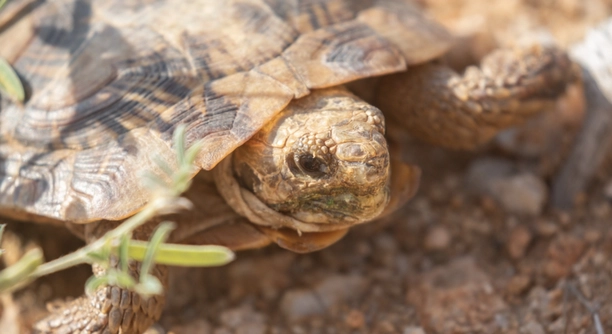
If your pancake tortoise’s skin looks dry, it may be a sign of environmental or health issues that need attention. Dry skin can be caused by several factors, but there are steps you can take to improve their condition.
The most common causes of dry skin in pancake tortoises are improper humidity levels, dehydration, or inadequate nutrition. To address this, adjusting the environment and hydration needs is essential. Proper care will help restore their skin’s health.
Taking care of your tortoise’s skin will ensure they stay healthy and comfortable. Keep reading to learn the essential steps for restoring their skin and preventing future dryness.
Check the Humidity Levels in Their Enclosure
A common reason for dry skin in pancake tortoises is low humidity. These reptiles thrive in humid environments, so if their habitat is too dry, it can cause their skin to become flaky or cracked. Ensure that the humidity in the enclosure is between 50-70%. Using a hygrometer can help monitor the humidity levels accurately. If the humidity is low, mist the enclosure regularly or consider adding a humidifier. Also, placing a water dish inside the tank can increase moisture in the air. Keeping the environment humid will help your tortoise maintain a healthy skin condition.
You should aim to keep your tortoise’s enclosure slightly humid. Regular misting and water bowls will help maintain moisture levels.
If you notice that the skin is still dry after adjusting humidity, it’s essential to check for other issues like dehydration or inadequate hydration in your tortoise. Proper hydration is crucial for maintaining the skin’s softness and elasticity. Be sure that the water available for your tortoise is clean and fresh. Tortoises should always have access to water, especially during hot months when they are more likely to become dehydrated. Additionally, soaking your tortoise in warm water a few times a week will provide extra hydration. A dehydrated tortoise will show signs of dry, cracked skin. Regular hydration, along with proper humidity, will help prevent such issues from arising.
Review Their Diet
A poor diet could also contribute to dry skin in your pancake tortoise. If they are not getting the right nutrients, their skin may start to appear dull and dry. Make sure to offer a varied diet rich in fiber and calcium. Fresh vegetables, such as collard greens and dandelion leaves, should be included regularly. A balanced diet with these nutrients will improve the health of their skin and support overall well-being. Be sure to avoid feeding them foods that are too high in protein, as this can lead to imbalances.
Maintaining a proper diet will give your tortoise the nutrients needed for healthy skin.
Feeding your pancake tortoise a balanced diet is key to ensuring it thrives. Dry skin can often indicate a lack of essential vitamins or minerals. Vegetables like kale, turnip greens, and squash can help provide the necessary nutrients. Calcium is especially important for maintaining strong bones and healthy skin. A calcium supplement may be required, but always consult a vet to find the best method of supplementation. It’s crucial not to overfeed, as excess food can cause health problems. Proper nutrition will keep their skin hydrated and prevent issues like dryness from arising. Always monitor what they eat, and avoid processed or sugary foods. This careful attention to their diet will result in healthier, more vibrant skin and a more active tortoise.
Ensure Proper Lighting and Temperature
Inadequate lighting or temperature can lead to dry skin in pancake tortoises. They need both UVB light and proper heat to stay healthy. The UVB light helps them produce vitamin D3, essential for absorbing calcium, which supports healthy skin. Set the basking area temperature between 90-95°F, and ensure the cooler side stays around 75°F.
Provide a proper light cycle, keeping the lights on for 10-12 hours a day to mimic natural sunlight. Without enough UVB light, your tortoise can develop skin problems. A heat lamp should also be available to allow them to bask. Without it, your tortoise may not properly digest food, leading to skin issues.
Adjusting your tortoise’s habitat for both the right temperature and lighting conditions is crucial. A basking area provides warmth to aid digestion, while the cooler zone gives them space to regulate their body temperature. This setup mimics the natural environment and supports overall health. Lack of warmth or proper lighting may cause more severe health problems.
Check for Parasites or Infections
Parasites or infections could be contributing to the dry skin of your tortoise. If the skin is flaky, shedding excessively, or developing sores, it could be a sign of an underlying issue. Look for signs such as abnormal shedding or discomfort when handling your tortoise.
A vet visit will help determine if your tortoise has any parasites or infections. If treated early, these conditions can often be managed, and the skin will improve. Infections may also cause swelling or inflammation, making the skin appear dry or scaly. Without proper treatment, these problems can worsen.
Parasites, like mites, can cause dryness, scabs, or redness on the skin. If you suspect this, check for small dark spots or irritations. Parasites can be transferred through contact with other reptiles or dirty environments. If you notice any symptoms, it’s important to take your tortoise to a reptile veterinarian immediately for diagnosis and treatment. Infections, while less common, can be just as harmful. Keep the enclosure clean and regularly inspect your tortoise for any signs of illness. Early intervention is essential for your tortoise’s health and skin condition.
Use Aloe Vera or Vitamin E
Applying natural remedies like aloe vera gel or vitamin E can help soothe dry skin. These are safe for tortoises and can help moisturize and heal the skin. Make sure to use pure aloe vera, without additives, to avoid irritation.
These remedies can be applied directly to the dry areas. Aloe vera has natural healing properties, and vitamin E promotes skin hydration. However, always monitor for any allergic reactions. Start with small amounts to ensure your tortoise’s skin does not react negatively.
Avoid Overhandling
Excessive handling can also contribute to dry skin. While it’s tempting to interact with your tortoise, too much handling can cause stress and dry out their skin. Leave your tortoise in a quiet, comfortable environment.
Frequent handling exposes the skin to unnecessary friction and can lead to skin irritation. Tortoises should be allowed to move freely in their habitat without constant human interference. Allowing them to settle in their environment helps maintain skin health.
FAQ
How can I tell if my pancake tortoise is dehydrated?
Signs of dehydration in a pancake tortoise include dry, cracked skin, lethargy, and a loss of appetite. Their eyes may appear sunken or dull. If the skin does not bounce back when gently pinched, it’s a clear indicator of dehydration. Dehydrated tortoises may also become more inactive and refuse food. Ensure that water is always available and soak your tortoise in warm water to rehydrate.
What is the best temperature for my pancake tortoise’s enclosure?
The best temperature for a pancake tortoise’s enclosure should range between 75-95°F. The basking area should be kept between 90-95°F, while the cooler side of the tank should stay around 75°F. This range allows your tortoise to regulate its body temperature. Using a thermometer to monitor the temperature will help keep it within this optimal range.
Can I use a regular heat lamp for my pancake tortoise?
While a regular heat lamp can provide warmth, it is not enough on its own. Pancake tortoises require UVB lighting to help them produce vitamin D3 for proper calcium absorption. UVB lighting should be on for 10-12 hours a day. A combination of UVB and heat lamps is ideal for providing both warmth and necessary sunlight exposure.
How often should I feed my pancake tortoise?
Pancake tortoises should be fed every day. A diet of fresh greens, such as dandelion leaves, collard greens, and kale, should make up the majority of their diet. You can offer them a small amount of fruit occasionally, but avoid feeding them too much. Consistency is key to ensure they get the proper nutrients for healthy skin and overall well-being.
What humidity level does my pancake tortoise need?
The humidity level in your tortoise’s enclosure should be between 50-70%. Too low humidity can lead to dry skin, while excessive humidity can cause respiratory issues. You can maintain humidity by misting the enclosure daily and placing a shallow water dish inside the tank. A hygrometer can help you monitor the humidity levels accurately.
Can I bathe my pancake tortoise to help with dry skin?
Yes, soaking your tortoise in warm water is an excellent way to help hydrate their skin. You should use water that is warm but not hot, and soak your tortoise for about 15-20 minutes. This will allow them to rehydrate and can help improve their skin condition. Repeat this process a couple of times a week if necessary.
Is it okay to use commercial creams or lotions on my tortoise’s skin?
It’s not advisable to use commercial creams or lotions meant for humans on your tortoise’s skin. These products often contain fragrances or chemicals that can irritate their skin. Instead, use natural remedies like aloe vera or vitamin E oil, which are safe for reptiles. Always check with a veterinarian before using any product on your tortoise.
What should I do if my tortoise’s skin doesn’t improve?
If your tortoise’s skin condition doesn’t improve after making adjustments to humidity, hydration, diet, and lighting, it’s time to consult a vet. Skin issues can sometimes indicate underlying health problems, such as infections or parasites. A vet will be able to diagnose and treat any conditions that may be affecting your tortoise’s skin.
Can a pancake tortoise get sunburned?
Yes, pancake tortoises can get sunburned if exposed to direct sunlight for too long without proper shade. Sunburn can cause their skin to become dry, irritated, or blistered. It’s best to provide UVB light in the enclosure, which mimics natural sunlight, without direct sun exposure. Always ensure they have access to shaded areas.
How long can a pancake tortoise go without water?
Pancake tortoises should never go too long without access to water. While they can survive for short periods, dehydration can quickly lead to serious health issues, including dry skin and lethargy. Always provide clean, fresh water, and soak your tortoise regularly to keep it hydrated, especially in hot weather.
Are there any foods I should avoid feeding my pancake tortoise?
Yes, avoid feeding your pancake tortoise foods that are too high in protein or sugar, such as fruits like bananas, grapes, and tomatoes. These foods can upset their digestive system and cause health problems. Also, steer clear of iceberg lettuce, as it lacks nutritional value. Stick to dark leafy greens, herbs, and some high-fiber vegetables for a balanced diet.
Can a pancake tortoise live with other reptiles?
Pancake tortoises can coexist with other reptiles, but it’s essential to monitor their interactions carefully. Some reptiles may be aggressive or territorial, which could cause stress or injury to your tortoise. If you choose to house them together, make sure each reptile has enough space, food, and a proper environment.
How can I prevent dry skin in my pancake tortoise?
The best way to prevent dry skin is by ensuring your tortoise has the proper environmental conditions. Maintain humidity levels between 50-70%, provide fresh water at all times, and feed a nutrient-rich diet. Proper temperature, UVB light, and occasional soaking will also help keep their skin healthy and hydrated.
Should I take my pancake tortoise to the vet for dry skin?
If dry skin persists despite proper care, it’s a good idea to consult a vet. While environmental factors like humidity and diet are often the cause, persistent skin issues could indicate an underlying health condition. A veterinarian will help diagnose and treat any potential issues affecting your tortoise’s skin.
Final Thoughts
Caring for a pancake tortoise involves paying attention to their habitat, diet, and health needs. If your tortoise’s skin looks dry, the first step is to check if the humidity levels in their enclosure are adequate. These reptiles thrive in humid environments, so ensuring the right balance between 50-70% humidity is crucial. Additionally, making sure they have access to clean, fresh water and are properly hydrated is equally important. A hydrated tortoise is a healthy tortoise, and keeping their skin moist is one of the best ways to ensure their well-being.
Another key factor to consider is their diet. Providing the right kind of food can have a big impact on the condition of their skin. A diet rich in dark leafy greens and high-fiber vegetables is essential for their overall health. Avoiding foods that are too sugary or high in protein will help prevent skin problems. If you’re unsure about the best diet for your tortoise, consult a reptile vet for guidance. A balanced diet can support their skin and make sure they stay strong and active.
Lastly, environmental factors such as lighting and temperature play a big role in your tortoise’s health. Providing a proper heat source, such as a UVB light and a heat lamp, is important for both their digestion and skin. Too little heat or light can lead to problems, including dry skin. By maintaining the right conditions, you ensure that your tortoise not only thrives but stays comfortable. If dryness persists despite your efforts, it may be time to consult a veterinarian. Keeping an eye on these factors will help keep your pancake tortoise in great shape.

Hello,
If you enjoy the content that we create, please consider saying a "Thank You!" by leaving a tip.
Every little bit helps us continue crafting quality advice that supports the health, happiness, and well-being of pets around the world, for pets of all shapes, sizes, and species.
We really appreciate the kindness and support that you show us!