
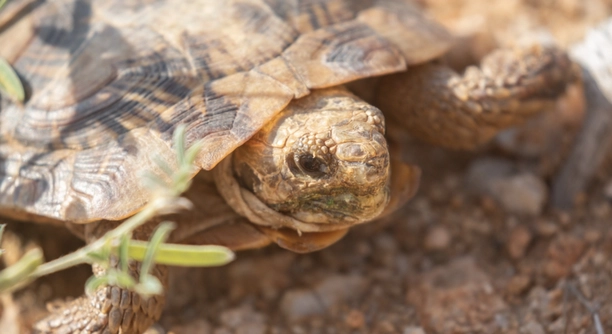
Pancake tortoises, like many reptiles, can experience breathing difficulties due to a range of factors. Their well-being depends on understanding and managing these aspects to ensure they thrive in their environment.
Several factors can affect a pancake tortoise’s breathing, including improper humidity, stress, temperature fluctuations, respiratory infections, and poor diet. These elements can lead to respiratory distress, making it essential to maintain proper conditions for the tortoise’s health.
Understanding these factors will help you provide the best care for your pancake tortoise and maintain its respiratory health.
Improper Humidity Levels
Humidity plays a critical role in a pancake tortoise’s respiratory health. If the humidity is too low or too high, it can cause significant stress on their respiratory system. This can lead to shallow or labored breathing, and in extreme cases, respiratory infections. Keeping the humidity levels between 40-60% is essential for maintaining proper lung function.
When the environment is too dry, it can dry out the membranes in their respiratory tract, making it difficult for the tortoise to breathe comfortably. On the other hand, excessive humidity can cause mold growth and affect the air quality, making it harder for your tortoise to breathe properly.
It is important to use a hygrometer to monitor the humidity levels regularly. If you’re unsure about the conditions, consider adding a humidity box or misting the enclosure periodically to maintain balance. Ensuring a stable environment will help your pancake tortoise breathe more easily, reducing the risk of respiratory problems.
Temperature Fluctuations
Temperature changes can have a negative impact on your pancake tortoise’s ability to breathe properly.
Consistent temperatures between 75-85°F are ideal for these tortoises. Extreme fluctuations can trigger stress and weaken their immune system. A stable temperature will allow them to stay relaxed and breathe more effectively.
Respiratory Infections
Respiratory infections are common in pancake tortoises when their environment isn’t maintained correctly.
Bacteria, fungi, and viruses thrive in poor conditions, making it easier for respiratory infections to develop. These infections can cause labored breathing, nasal discharge, and lethargy. If left untreated, they can be fatal. Ensuring that your tortoise’s enclosure is clean and free of pathogens is key to preventing infections. Regular cleaning and disinfecting of their habitat will reduce the risk of bacterial buildup.
If your tortoise shows signs of respiratory distress, seeking veterinary help as soon as possible is essential. The vet will likely prescribe antibiotics or antifungal treatments. Keeping the enclosure properly heated and ventilated can also prevent these infections from occurring in the first place. Monitoring your tortoise’s health and maintaining its living conditions will go a long way in preventing respiratory issues.
Stress
Stress can also have a serious impact on a pancake tortoise’s breathing.
Too much stress can result in shallow breathing and even make them more susceptible to illness. Common stressors include improper handling, overcrowding, and sudden changes in the environment. A stressed tortoise may show other signs, such as loss of appetite or retreating into its shell. Creating a calm, predictable environment is crucial to keeping your tortoise at ease.
To reduce stress, limit unnecessary handling, and provide hiding spaces. Keep their habitat quiet, free from sudden disturbances, and ensure that they are not exposed to loud noises or frequent changes in lighting. Regular routines and stable living conditions will help your tortoise feel secure, minimizing stress-related breathing issues.
Poor Diet
A diet lacking in essential nutrients can directly affect a pancake tortoise’s breathing.
Without the right balance of vitamins and minerals, their immune system becomes weaker, making them more vulnerable to respiratory problems. Feeding them a varied diet with the right fruits, vegetables, and supplements is crucial for their overall health.
A poor diet can also result in weight issues, which may put additional pressure on the lungs, further complicating breathing. Ensuring that your tortoise receives adequate nutrition will support a healthy respiratory system and prevent unnecessary stress. Regularly check the quality of food and avoid overfeeding to maintain a healthy weight.
Insufficient Ventilation
Ventilation is crucial for ensuring your pancake tortoise can breathe clean, fresh air.
Without proper airflow, stagnant air can cause respiratory distress by allowing harmful gases to accumulate. This can result in respiratory infections or exacerbate existing breathing issues. Ensure the enclosure has sufficient ventilation, using mesh or vents to promote air circulation.
A well-ventilated environment will help keep the air fresh and maintain the humidity level within the ideal range. Make sure that the enclosure isn’t too tightly sealed, as it can create a stuffy atmosphere that negatively affects your tortoise’s ability to breathe comfortably.
FAQ
How can I tell if my pancake tortoise is having trouble breathing?
Signs of breathing issues in a pancake tortoise include labored breathing, wheezing, nasal discharge, or excessive yawning. If you notice these symptoms, it is essential to act quickly. These signs indicate that the tortoise may be suffering from respiratory distress or an infection. Keeping an eye on your tortoise’s behavior and general activity level will also help you spot issues early. If the symptoms persist or worsen, consult a veterinarian.
What is the ideal humidity level for a pancake tortoise’s enclosure?
The ideal humidity for a pancake tortoise is between 40% and 60%. Maintaining this range ensures that your tortoise’s respiratory system stays healthy and that it can easily absorb moisture. Too low of humidity can dry out the membranes in the respiratory tract, leading to difficulty breathing. Conversely, high humidity can encourage mold growth and make the air uncomfortable. Invest in a hygrometer to accurately measure the humidity level and adjust it as needed.
Can stress affect my pancake tortoise’s breathing?
Yes, stress can significantly impact your pancake tortoise’s breathing. Stress causes an increase in the heart rate and disrupts normal breathing patterns. Common stressors include loud noises, sudden changes in their environment, or improper handling. To minimize stress, ensure that your tortoise’s enclosure is placed in a quiet area, and avoid unnecessary handling. A stable, predictable environment will help your tortoise feel safe and relaxed, reducing the likelihood of stress-related breathing issues.
What should I do if my tortoise has a respiratory infection?
If you suspect your tortoise has a respiratory infection, the first step is to isolate it from other animals to prevent any potential spread of bacteria. Keep the tortoise in a warm, quiet environment to avoid further stress. Contact a vet immediately for diagnosis and treatment. The vet will likely prescribe antibiotics or antifungal treatments to clear up the infection. It’s important to follow the vet’s advice strictly and continue monitoring your tortoise for any changes in behavior or symptoms.
How can I prevent respiratory infections in my pancake tortoise?
Preventing respiratory infections starts with maintaining a clean and healthy environment. Regularly clean and disinfect the enclosure to remove harmful bacteria and fungi. Ensure proper ventilation and humidity levels. A well-balanced diet, proper hydration, and avoiding overhandling will also help strengthen your tortoise’s immune system. Always monitor your tortoise for signs of illness and act promptly if you notice any changes in its behavior.
Is it safe to use a heat lamp for my pancake tortoise?
Yes, using a heat lamp is essential for keeping your pancake tortoise warm. They require a temperature range of 75-85°F. Heat lamps simulate natural sunlight and help your tortoise regulate its body temperature. However, make sure the lamp is placed correctly and that there is a gradient in temperature within the enclosure, allowing your tortoise to move between warmer and cooler areas as needed. Avoid placing the heat source too close to the tortoise to prevent overheating.
What is the role of ventilation in my tortoise’s health?
Proper ventilation plays a key role in keeping your pancake tortoise healthy. Stagnant air can cause respiratory issues and create an environment conducive to bacteria and mold growth. Ensure your tortoise’s enclosure has adequate airflow to prevent any buildup of harmful gases. You can achieve proper ventilation by using mesh lids, vents, or air holes in the enclosure. This will help keep the air fresh and maintain the appropriate humidity level.
How can I check if my tortoise is underweight or overweight?
To determine if your pancake tortoise is underweight or overweight, you should observe its shell and overall body condition. An underweight tortoise will appear more thin, with a noticeable dip along the edges of the shell. Conversely, an overweight tortoise may have a swollen appearance, especially around the limbs and neck. Always ensure your tortoise’s diet is balanced and suitable for its size. If you are concerned about your tortoise’s weight, consult a veterinarian to establish a proper feeding routine.
Final Thoughts
Maintaining a pancake tortoise’s health requires attention to several factors, including their breathing. By providing the right environment and diet, you can prevent many common issues that affect their respiratory system. Regular cleaning of their enclosure, ensuring proper ventilation, and maintaining the right humidity levels are all essential in keeping them healthy. Stress can also have a significant impact on their breathing, so it’s important to create a calm, predictable environment. Being aware of any signs of illness and addressing them early is key to preventing serious complications.
Monitoring your tortoise’s behavior and physical condition is important for their long-term health. Breathing issues can be caused by infections, stress, or poor environmental conditions, so staying proactive in managing these factors can help ensure your tortoise lives a healthy life. If you notice any signs of trouble, such as labored breathing or nasal discharge, seeking veterinary advice promptly will give your tortoise the best chance for recovery. Quick action, combined with proper care, is crucial to supporting their respiratory health.
A pancake tortoise’s well-being is closely tied to the conditions you provide. By paying attention to the details—such as ventilation, diet, temperature, and humidity—you can create a safe and healthy environment that reduces the risk of breathing problems. Consistent care, attention to their needs, and a watchful eye will help ensure that your tortoise remains active, happy, and healthy for many years.

Hello,
If you enjoy the content that we create, please consider saying a "Thank You!" by leaving a tip.
Every little bit helps us continue crafting quality advice that supports the health, happiness, and well-being of pets around the world, for pets of all shapes, sizes, and species.
We really appreciate the kindness and support that you show us!