
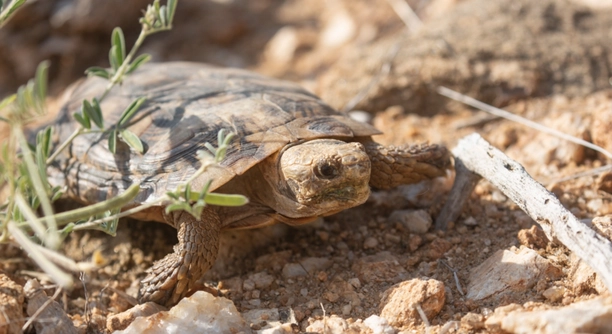
Moving to a new home can be a stressful experience for your pancake tortoise. Their environment and routine change, which can affect their well-being. It’s important to help them adjust to ensure they thrive in their new space.
Helping your pancake tortoise adjust involves creating a stable environment with appropriate temperature, humidity, and hiding spaces. Introduce them slowly to their new habitat, maintain a consistent routine, and monitor their health closely during the transition period.
By following a few simple guidelines, you can make the process smoother for your tortoise. The steps outlined will ensure their comfort and safety as they settle in.
1. Create a Proper Habitat for Your Pancake Tortoise
Your pancake tortoise’s new home should be set up carefully to make them feel secure. The right environment can help them adjust more easily. Start by providing a spacious terrarium that mimics their natural habitat. Use a mix of dry and slightly humid areas, as they prefer both. Ensure there’s enough room for them to hide, as they enjoy retreating into sheltered spaces. Be mindful of the temperature. Pancake tortoises need warmth, so set up a basking area with a heat source. The overall environment should be calm, quiet, and free from sudden changes. This will help reduce stress and allow them to acclimate faster.
The best temperature range for your pancake tortoise is between 80-90°F during the day, with a slight drop at night. The humidity should stay between 40-60% to maintain comfort. You can measure this with a thermometer and hygrometer to ensure you’re meeting their needs.
Providing the right environment for your tortoise doesn’t stop at temperature and humidity. You’ll need to include a good substrate like sand or soil for digging and burrowing. Pancake tortoises often feel secure when they can dig into the ground, so it’s important to replicate that behavior. Make sure the habitat has enough hiding spots, whether it’s a log or a simple cardboard box. If they have a place where they can retreat when feeling stressed, they will be more likely to adjust quickly. The addition of low, leafy plants can also make the space feel more natural and secure for your tortoise.
2. Introduce a Consistent Feeding Schedule
Maintaining a consistent feeding schedule helps your tortoise feel more secure.
Pancake tortoises thrive on a diet of leafy greens, grasses, and small amounts of fruits. Offering food at the same time each day helps them settle into their routine. Make sure their food is fresh, clean, and free from pesticides.
3. Minimize Stressful Situations
Stress can delay your pancake tortoise’s adjustment to its new home.
Avoid sudden movements and loud noises around their enclosure. Try to limit visitors, especially during the first few days, to give them time to adjust. Keeping their environment calm and predictable is key. Pancake tortoises are naturally shy and can become stressed easily.
Handling them too soon can add unnecessary stress. Allow them to settle in their new environment before any interaction. Give them time to explore their space at their own pace. Slowly, as they become comfortable, you can begin handling them briefly. This helps them get used to human presence without feeling threatened. Be patient and let them move at their own speed to ensure they feel safe and secure in their new surroundings.
4. Monitor Their Health and Behavior
Pay attention to any signs of stress or illness during the transition.
Keep an eye on your pancake tortoise’s behavior, eating habits, and activity level. If they stop eating or become lethargic, it could be a sign of stress or discomfort in the new environment. You should also monitor for any physical changes, such as abnormal shell appearance or difficulty moving.
5. Maintain Proper Lighting
Proper lighting is essential for your pancake tortoise’s well-being.
Make sure their habitat has a source of UVB light. This helps with their calcium absorption and overall health. Without UVB light, they can develop health issues, especially with their shells. Use a high-quality UVB bulb to replicate sunlight.
Ensure that the light is placed above the basking area to mimic natural sunlight exposure. The light should be on for about 10-12 hours a day, followed by a dark period at night to simulate a natural day-night cycle. This helps maintain their circadian rhythm, contributing to better health and comfort.
6. Offer Safe Hiding Spots
A safe place to hide is crucial for your pancake tortoise’s comfort.
Hiding spots offer a sense of security and allow them to retreat when they feel threatened. Provide a few different hiding spots made of materials like wood or rocks. Make sure they are easy to access.
FAQ
How long does it take for a pancake tortoise to adjust to a new home?
It typically takes a few weeks for a pancake tortoise to adjust fully to a new environment. During this time, they might appear shy or withdrawn as they get used to their new surroundings. Be patient, as they may need time to acclimate to changes in temperature, lighting, and routine. Ensuring a calm and stable environment helps speed up the adjustment process.
Can I handle my pancake tortoise right away?
It’s best to wait before handling your pancake tortoise. Handling them too soon can cause stress, and they may feel unsafe in their new home. Allow them to explore and adjust at their own pace for the first few weeks. Once they seem more comfortable, you can start handling them gently and for short periods. This helps build trust without overwhelming them.
What temperature should I keep my pancake tortoise’s enclosure?
The ideal temperature for a pancake tortoise’s enclosure is between 80-90°F during the day, with a slight drop to 70-75°F at night. You’ll need a heat source, like a basking lamp, to create a warm spot in the enclosure. It’s important to maintain a gradient of temperatures so they can choose where to spend their time, depending on their needs.
How can I make sure my pancake tortoise is eating enough?
If your pancake tortoise isn’t eating, check the environmental conditions. The temperature, humidity, and lighting should be just right. They may also refuse food if they feel stressed or uncomfortable. Offer a variety of leafy greens like dandelion greens, collard greens, and small amounts of fruits. Make sure the food is fresh and clean, as they can be picky eaters. If they still refuse food, consult with a vet.
What is the best substrate for my pancake tortoise’s enclosure?
For the best substrate, use a mixture of sand, soil, and some organic material. This allows for digging and burrowing, which is important for their behavior. The substrate should be deep enough for them to bury themselves if they feel the need. Avoid substrates like cedar or pine, as these can be harmful to reptiles.
Do pancake tortoises need a lot of water?
Pancake tortoises do not drink large amounts of water, but they need a shallow water dish for hydration. The water should be clean and changed regularly. They also absorb moisture through their food, so make sure their diet includes some water-rich vegetables like cucumber or leafy greens.
Can I keep multiple pancake tortoises together?
Pancake tortoises are solitary animals in the wild and prefer to have their own space. It’s best to house them individually to avoid stress or potential aggression. If you do choose to house more than one, make sure their habitat is large enough for both to have their own territories, and monitor them closely for signs of conflict.
What kind of lighting do pancake tortoises need?
Pancake tortoises require UVB lighting to help them produce vitamin D3 and absorb calcium properly. Use a UVB bulb designed for reptiles, and make sure it is replaced every 6-12 months, as its effectiveness decreases over time. The UVB light should be on for 10-12 hours a day to mimic natural sunlight exposure.
Can pancake tortoises live with other reptiles?
It’s not recommended to house pancake tortoises with other reptiles. Different species have different environmental needs, which can cause stress and health problems. For example, temperature, humidity, and diet requirements may not match. It’s best to provide each species with their own habitat to ensure they thrive.
How do I know if my pancake tortoise is sick?
Signs of illness in a pancake tortoise include loss of appetite, lethargy, difficulty moving, abnormal shell growth or discoloration, and breathing problems. If you notice any of these symptoms, it’s important to consult a reptile vet right away. Regular checkups can also help catch any potential issues early.
Final Thoughts
Helping your pancake tortoise adjust to a new home takes patience and care. The most important thing is to create a stable, comfortable environment. A well-maintained habitat with the right temperature, humidity, and hiding spots will make a big difference in their transition. By giving them time to adjust at their own pace and avoiding stress, you help them feel secure in their new space. Over time, they will become more comfortable and confident in their surroundings.
Maintaining a consistent routine is also crucial. Regular feeding times and a calm environment will help your tortoise settle into a routine. Their diet should include fresh, clean food that mimics their natural eating habits. Make sure they have access to fresh water and monitor their health closely. It may take some time before you see them eating or exploring more actively, but don’t be discouraged. Your tortoise is just adjusting to its new space, and with proper care, they will thrive.
Finally, it’s important to keep an eye on their health. Stress can cause changes in behavior or appetite, so it’s essential to monitor your pancake tortoise closely. If you notice anything unusual, such as a lack of appetite or changes in their shell, seek advice from a reptile vet. By being patient, consistent, and observant, you can ensure your pancake tortoise is happy and healthy in its new home.

Hello,
If you enjoy the content that we create, please consider saying a "Thank You!" by leaving a tip.
Every little bit helps us continue crafting quality advice that supports the health, happiness, and well-being of pets around the world, for pets of all shapes, sizes, and species.
We really appreciate the kindness and support that you show us!