
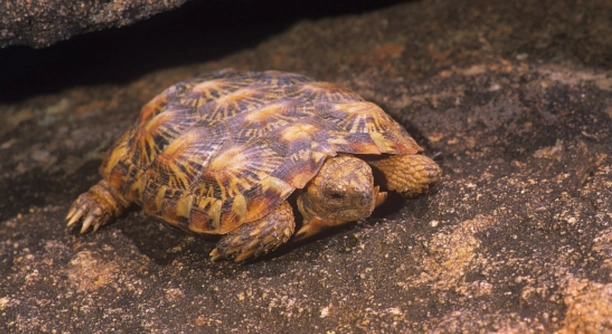
Soft shell syndrome in pancake tortoises is a condition that can affect their health and overall well-being. Understanding its causes and prevention is essential for those who care for these unique creatures.
Soft shell syndrome in pancake tortoises can result from inadequate diet, lack of UVB exposure, dehydration, improper humidity, inadequate calcium intake, injuries, or stress. Preventing this condition requires attention to their environmental needs and proper care routines.
By addressing the causes and making necessary adjustments, you can significantly improve your pancake tortoise’s health and prevent the onset of soft shell syndrome.
Inadequate Diet and Calcium Deficiency
A common cause of soft shell syndrome in pancake tortoises is an insufficient diet, particularly a lack of calcium. Pancake tortoises need a balanced diet with high-quality greens, vegetables, and fruits. Without enough calcium, their shells can become soft, making them more vulnerable to damage. In the wild, these tortoises consume a variety of plants that provide the nutrients they need. However, in captivity, their diet often lacks the proper balance, which can result in weakened shells. Additionally, calcium is essential for bone health and shell growth, so providing a supplement may be necessary in certain cases.
A varied diet with calcium-rich foods is vital. Without it, your tortoise may develop soft shell syndrome.
Ensure your pancake tortoise receives calcium-rich vegetables like collard greens, dandelion leaves, and clover. You can also provide calcium supplements, especially if their diet lacks sufficient natural sources. A balanced diet plays a key role in preventing health issues related to their shell.
Lack of UVB Light Exposure
UVB light is crucial for pancake tortoises as it helps them produce vitamin D3, which is essential for calcium absorption. Without adequate UVB exposure, they may not absorb enough calcium, leading to weak shells and other health problems. In captivity, tortoises often rely on artificial light sources, so providing a proper UVB bulb is necessary. Ensure the bulb is positioned at the right distance and replaced regularly, as UVB bulbs lose their effectiveness over time.
By providing the correct UVB lighting, you can prevent serious health issues in your pancake tortoise. Proper lighting will support calcium absorption and shell strength.
Dehydration
Dehydration can lead to soft shell syndrome in pancake tortoises. When they don’t receive enough water, their shells can lose moisture, making them more susceptible to damage. It is important to offer fresh water daily, ensuring it’s easily accessible for your tortoise. Adding a shallow water dish can encourage them to drink more frequently.
To prevent dehydration, mist your tortoise’s habitat with water to maintain humidity levels. A humid environment helps hydrate the tortoise naturally. Along with proper water intake, ensure that your tortoise’s enclosure has adequate humidity to support overall health and well-being. Maintaining the right conditions will keep them hydrated and their shell strong.
In dry climates, regular hydration is even more critical. Offering both water and humidity can help avoid soft shell syndrome, keeping your tortoise happy and healthy. It’s also important to monitor their behavior for signs of dehydration, such as lethargy or loss of appetite.
Improper Humidity Levels
Humidity is an essential factor for pancake tortoises’ health. Too low humidity can dry out their shells, leading to soft shell syndrome. On the other hand, too much humidity can cause respiratory issues. Maintaining the right balance is key. Ensure your tortoise’s habitat has the correct humidity level, typically around 60-80%.
A humidity gauge can help monitor the conditions. If the environment is too dry, increase humidity by misting the habitat, or using a humidifier. On the other hand, if the humidity is too high, ensure proper ventilation to allow air circulation. Achieving the right balance prevents soft shell syndrome and other health problems.
Additionally, ensure your tortoise has access to both a dry and humid area in the enclosure. This way, they can regulate their environment by moving between zones as needed. Proper humidity will support their shell health and overall well-being.
Injuries
Injuries, whether accidental or self-inflicted, can weaken the shell and cause soft shell syndrome in pancake tortoises. A fall, bite, or even scratching can damage their shells, making them more prone to softening. Keep their enclosure free of sharp objects to prevent injury.
Proper handling is also important. Avoid dropping or mishandling your tortoise. Ensure their environment is safe and secure, without any hazards that could cause physical harm. This reduces the risk of injury and helps maintain a strong, healthy shell. With proper care and caution, injuries can be minimized.
Stress
Stress can play a major role in the development of soft shell syndrome. Factors like loud noises, sudden environmental changes, or overcrowding can cause significant stress to your tortoise. It’s important to create a calm and stable environment to help reduce stress levels.
A quiet, stable habitat will allow your pancake tortoise to thrive. Stress can also impact their immune system, making them more vulnerable to infections and other health issues. If your tortoise seems stressed, try adjusting their environment or giving them more time to adjust to changes. A peaceful setting supports overall health.
Overcrowding
Overcrowding in the enclosure can lead to stress, poor air quality, and increased chances of injury. When pancake tortoises are kept in too small of an area with too many other animals, their shells can suffer, and stress levels increase. It’s essential to give them enough space.
Ensure that your tortoises have adequate room to move around and exhibit natural behaviors. Overcrowding can lead to territorial disputes and unwanted aggression, which can harm their well-being. Properly spacing them out and maintaining a peaceful environment will reduce stress, helping to prevent soft shell syndrome and other complications.
FAQ
What are the signs of soft shell syndrome in pancake tortoises?
The most obvious signs of soft shell syndrome in pancake tortoises are visible changes in the shell. If the shell becomes soft or starts to lose its usual shape, this is a clear indicator. Other signs include a lack of mobility, lethargy, or a noticeable decrease in appetite. If you observe these symptoms, it’s important to act quickly to address the underlying causes. Keeping track of your tortoise’s behavior and shell condition will help catch any issues early before they become serious.
Can soft shell syndrome be cured?
While soft shell syndrome can be managed and prevented, it is challenging to reverse completely once it’s developed. The most important step is to identify the cause and correct it. For example, if the issue is calcium deficiency, increasing calcium intake and ensuring proper UVB lighting may help improve the tortoise’s condition. In severe cases, veterinary intervention may be needed. Early intervention significantly improves the chances of recovery, but long-term care is necessary to prevent recurrence.
How can I prevent soft shell syndrome in pancake tortoises?
Prevention starts with providing the right environment and diet. Ensure that your tortoise has access to proper UVB lighting, a balanced diet rich in calcium, and adequate hydration. Maintaining correct humidity levels in the enclosure also plays a crucial role. It’s important to regularly check for any injuries or stress-related issues, as these can also contribute to soft shell syndrome. Proper handling, safe housing, and consistent care are key to preventing this condition.
What is the role of calcium in preventing soft shell syndrome?
Calcium is essential for the development and maintenance of a strong, healthy shell in pancake tortoises. It plays a crucial role in shell hardening, bone growth, and overall health. Without sufficient calcium, the shell will become soft and brittle, leading to soft shell syndrome. Providing a calcium-rich diet, such as leafy greens and calcium supplements, ensures that your tortoise has what it needs for shell strength. Adequate UVB light exposure also aids in calcium absorption.
How much UVB light does my pancake tortoise need?
Pancake tortoises require UVB light for about 10-12 hours a day. This exposure helps them synthesize vitamin D3, which is essential for calcium absorption. Without adequate UVB light, even a calcium-rich diet won’t be enough to keep the shell healthy. It’s important to use a high-quality UVB bulb, positioned correctly in the enclosure, and replace it regularly to ensure it remains effective. Be sure to monitor the distance between the bulb and your tortoise, as too much or too little exposure can be harmful.
How can I improve humidity levels for my pancake tortoise?
Humidity plays a critical role in preventing soft shell syndrome by keeping the tortoise hydrated. To maintain proper humidity levels, use a humidity gauge and keep the enclosure at around 60-80%. If the humidity is too low, mist the enclosure with water or use a humidifier. Conversely, if the humidity is too high, ensure proper ventilation to avoid respiratory issues. Providing a water dish and increasing the overall moisture in the environment will help maintain the proper humidity balance. Regular checks will ensure the conditions stay ideal for your tortoise’s health.
Can stress cause soft shell syndrome in pancake tortoises?
Yes, stress is a significant factor in the development of soft shell syndrome. If a tortoise is exposed to constant stress from environmental changes, overcrowding, or improper handling, it can weaken their immune system and overall health. Stress can also lead to digestive issues, loss of appetite, and further vulnerability to illness. To reduce stress, make sure your tortoise has a quiet, safe, and spacious environment. Providing a stable habitat with minimal disruptions will help keep stress levels down and improve your tortoise’s well-being.
Is soft shell syndrome only a concern for captive pancake tortoises?
While soft shell syndrome is more common in captive pancake tortoises due to the controlled environment and diet, it can also affect wild tortoises if they are exposed to poor living conditions. In captivity, improper diet, lack of UVB light, and insufficient humidity levels contribute to the condition. In the wild, however, pancake tortoises typically have access to a more varied and balanced diet, and their natural behaviors help prevent health issues. Still, it’s important for owners of captive tortoises to provide the right care to avoid the syndrome.
What should I do if I notice soft shell syndrome in my pancake tortoise?
If you suspect your pancake tortoise is developing soft shell syndrome, the first step is to examine their habitat and diet. Make sure they are receiving enough calcium, UVB light, and water. Adjust their environment to ensure the proper humidity levels and make sure they have enough space. If the problem persists or worsens, it’s best to consult with a reptile vet. Early intervention is key to managing the condition and preventing further health issues. With proper care and attention, most tortoises can recover or avoid developing soft shells altogether.
Can injuries to the shell cause permanent damage?
Injuries to the shell can cause permanent damage if they are not treated correctly. A cracked or broken shell can lead to infections or deformities, weakening the shell over time. If a tortoise sustains an injury, it’s important to provide immediate care to prevent infection and allow the shell to heal properly. In severe cases, a vet may need to repair the shell, and special treatments may be required. Preventing injury through proper enclosure design and careful handling is key to maintaining a healthy shell.
Are there any natural remedies to prevent or treat soft shell syndrome?
While natural remedies can help maintain overall health, they are not a substitute for proper diet, UVB light, and humidity levels. Ensuring your tortoise has access to a balanced diet with sufficient calcium, vitamins, and minerals is the first step in preventing soft shell syndrome. Adding calcium-rich plants, fruits, and vegetables to their diet can provide some natural support. However, in severe cases, professional care and intervention may be necessary to fully address the issue.
Final Thoughts
Soft shell syndrome in pancake tortoises is a serious issue that can impact their overall health. However, with the right care, it can often be prevented or managed. Ensuring your tortoise has access to a balanced diet, proper UVB lighting, and appropriate humidity levels is essential. Calcium is particularly important for maintaining a healthy, strong shell, so make sure your tortoise is getting enough of it through food and supplements if necessary. Consistency in their environment and care is key to avoiding this condition.
If you do notice signs of soft shell syndrome, it’s important to act quickly. Early detection can make a significant difference in how well your tortoise recovers. Start by reviewing their habitat to ensure all conditions are optimal, especially their diet, lighting, and humidity. Adjust these factors as needed, and if there is no improvement, seek help from a reptile veterinarian. In some cases, the syndrome may be reversible with proper care, but the longer it’s left unaddressed, the harder it may be to manage.
By staying vigilant and providing your pancake tortoise with the best care possible, you can minimize the risk of soft shell syndrome. It’s essential to maintain the right balance of nutrition, lighting, and humidity. Regular checks of your tortoise’s shell and behavior will help you spot any potential problems early. With the proper attention and environment, your pancake tortoise can live a long, healthy life free from soft shell syndrome.

Hello,
If you enjoy the content that we create, please consider saying a "Thank You!" by leaving a tip.
Every little bit helps us continue crafting quality advice that supports the health, happiness, and well-being of pets around the world, for pets of all shapes, sizes, and species.
We really appreciate the kindness and support that you show us!