
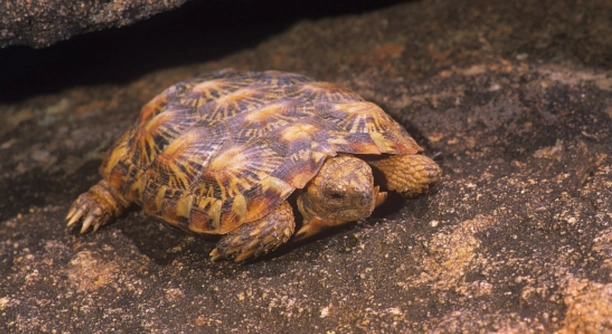
Pancake tortoises are unique creatures that can sometimes show signs of slowing down. If you’ve noticed your tortoise isn’t as active as usual, it may be due to several factors that need attention.
The primary reasons your pancake tortoise might be slowing down include improper temperature, lack of proper diet, dehydration, stress, insufficient space, or health issues. Each factor can have a direct impact on your tortoise’s behavior and energy levels.
Understanding the causes of a slower tortoise is essential for its overall well-being. By addressing these factors, you can help restore its vitality and ensure a happy, healthy life for your pet.
Temperature Problems
Temperature regulation is crucial for the health of your pancake tortoise. If the environment is too cold or too hot, your tortoise will struggle to stay active. Pancake tortoises are native to warm climates, so they need a habitat that mirrors their natural conditions. Ideally, their enclosure should have a basking area with temperatures between 95-100°F. The cooler side should range from 75-80°F. When temperatures fluctuate too much, your tortoise may slow down, as it is unable to regulate its body temperature effectively. Without warmth, their metabolism slows, leading to reduced activity.
If you find your tortoise staying in one spot or hiding more than usual, check the temperature in its enclosure. Sometimes, heating lamps or pads might not be working properly. It’s essential to monitor the temperature regularly and adjust if needed. A simple thermometer can help you stay on track.
Your tortoise needs a consistent, warm environment to remain active and healthy. If the temperature is right, your tortoise will feel more energetic and move around more freely. If you’re unsure, adjusting the heating system could make a noticeable difference.
Diet and Nutrition
A poor diet can also contribute to a slower tortoise. These creatures require a balanced diet full of fresh greens, such as kale, dandelion leaves, and collard greens. They should avoid too much protein or high-calcium foods, as this can upset their digestive system. Insufficient nutrition can lead to lethargy or reduced activity levels.
Offering variety and the right foods ensures that your pancake tortoise gets the nutrients it needs for energy and growth. In addition to leafy greens, some fruits can be given in moderation, but the focus should always be on vegetables. Additionally, your tortoise should have access to fresh, clean water at all times to prevent dehydration, which can also cause sluggishness.
Feeding your tortoise the correct diet can significantly improve its energy levels and overall health. The wrong food choices can have the opposite effect and lead to further issues. Be mindful of what you’re providing and how it affects your pet’s behavior.
Dehydration
Dehydration is a common reason for your pancake tortoise to slow down. Like all reptiles, they rely on proper hydration to stay active and healthy. If your tortoise is not drinking enough water or has access to a dirty water source, it can become lethargic.
Dehydration can be difficult to spot at first, but it becomes more apparent as your tortoise’s energy levels drop. It may begin to hide more often or reduce its usual movements. To prevent dehydration, make sure your tortoise always has access to clean, fresh water. You may also want to offer a shallow water dish for easy access.
In dry environments or during warmer months, dehydration is even more likely. If your tortoise’s habitat is too hot and lacks humidity, it might struggle to stay hydrated. Ensure that the enclosure’s humidity is maintained at an appropriate level, typically between 40-60%. This will prevent dehydration and help your tortoise stay active.
Stress
Stress is another factor that can cause your tortoise to slow down. Changes in their environment, such as loud noises or the presence of other animals, can be upsetting. Even small shifts in their routine can impact their well-being.
Your pancake tortoise may react to stress by hiding or remaining in one spot for extended periods. Signs of stress can include refusing food, excessive hiding, or showing signs of aggression toward other animals. To minimize stress, ensure your tortoise’s habitat is calm, quiet, and free from disruptions.
Stress can weaken your tortoise’s immune system and hinder its natural activity. It’s important to offer a stable environment with a consistent routine, ensuring that your tortoise feels secure. Regular interaction, without overwhelming it, can also help reduce stress.
Insufficient Space
Your pancake tortoise needs enough space to move around and explore. A cramped enclosure will cause it to feel restricted, leading to inactivity. If it can’t roam and climb, it may become sluggish.
Ensure that your tortoise has ample space to stretch its legs. The more room it has, the more it will be able to stay active. If your enclosure is too small, consider upgrading to a larger habitat. A spacious environment encourages natural behavior and supports overall health.
Providing sufficient space isn’t just about comfort; it’s essential for your tortoise’s activity levels and well-being. A larger area will make a noticeable difference in its energy and behavior.
Health Issues
A variety of health issues can cause your pancake tortoise to slow down. Common problems include respiratory infections, shell rot, and parasites. These conditions can lead to a noticeable decline in energy and activity.
If your tortoise isn’t moving much, it’s important to monitor its overall health. Look for signs such as abnormal breathing, shell damage, or unusual stool. Any of these could indicate a health issue requiring attention. Regular veterinary check-ups are essential to catch any potential health concerns early and prevent further complications.
Overfeeding
Overfeeding your pancake tortoise can lead to lethargy and a decrease in activity. While it’s important to ensure they are getting enough food, overfeeding can cause them to become too full or even overweight, leading to slower movements.
It’s essential to offer balanced portions and avoid providing too much food at once. If your tortoise is not eating all the food offered, adjust the portion sizes. Maintaining a healthy diet is key to keeping your tortoise active and in a healthy weight range.
FAQ
What is the ideal temperature for a pancake tortoise?
The ideal temperature for your pancake tortoise should be around 95-100°F in the basking area, with a cooler side ranging from 75-80°F. This temperature gradient helps your tortoise regulate its body temperature and stay active. It’s essential to monitor the temperature regularly to avoid any drastic changes that could lead to health problems or lethargy. Use a reliable thermometer to ensure the heat sources are working as expected.
How can I tell if my pancake tortoise is dehydrated?
Dehydration can cause your tortoise to become sluggish. You might notice it hiding more than usual or staying in one position for a long time. Its skin may appear dry, and it may not be eating as much. Always ensure there’s a shallow dish of clean water available. If you suspect dehydration, you can also gently mist the shell to help with hydration, or in extreme cases, a vet may need to hydrate your tortoise through subcutaneous fluids.
Can stress affect my pancake tortoise’s activity?
Yes, stress can significantly impact your tortoise’s behavior. Changes in its environment, such as loud noises, new animals, or irregular routines, can cause it to hide or reduce activity. A stressed tortoise may also stop eating or act aggressively. Providing a calm and stable environment is key to reducing stress and maintaining its normal activity levels. Make sure to keep its space quiet and free of disturbances to help it feel safe.
What should I feed my pancake tortoise?
A pancake tortoise’s diet should primarily consist of fresh leafy greens, such as kale, dandelion greens, and collard greens. These provide the essential nutrients it needs for energy. You should avoid feeding your tortoise too much fruit or high-protein foods. A balanced diet that’s rich in fiber is important for digestion. Remember to remove uneaten food daily to keep the enclosure clean and to prevent spoilage.
Is my pancake tortoise too cold?
If your tortoise is staying still, hiding more than usual, or showing less activity, it could be too cold. Ensure that your tortoise has access to a basking area that maintains the proper temperature of 95-100°F. If the temperature drops below its preferred range, it could cause your tortoise to become inactive, as reptiles rely on external heat sources to regulate their body temperature. Check your heating equipment regularly to prevent temperature drops.
How much space does my pancake tortoise need?
Pancake tortoises need plenty of room to roam. A minimum of a 40-gallon enclosure is recommended for a single adult tortoise, though a larger space is always better. The more space it has, the more it can engage in natural behaviors like walking and climbing. A cramped habitat can lead to stress and inactivity, so it’s crucial to ensure your tortoise has enough room to thrive. Providing vertical space for climbing can also encourage more activity.
How do I know if my pancake tortoise is sick?
If your pancake tortoise is sluggish or not eating, it could be a sign of illness. Other symptoms to watch for include abnormal breathing, shell discoloration or soft spots, and changes in its stool. It’s important to observe your tortoise’s behavior closely and act quickly if you notice anything unusual. Regular vet checkups are essential to catch potential health issues early. If your tortoise shows signs of illness, it’s best to consult a reptile vet immediately.
Can overfeeding cause my tortoise to slow down?
Yes, overfeeding can lead to lethargy and decreased activity in your pancake tortoise. Offering too much food, especially high-calcium foods or excess protein, can cause your tortoise to become overweight, resulting in slower movements. It’s important to stick to recommended portion sizes based on your tortoise’s size and age. Avoid feeding it large amounts of food at once and ensure it is eating a balanced diet of mostly greens.
What are the signs of a healthy pancake tortoise?
A healthy pancake tortoise is active and alert. It should be moving around its enclosure regularly, eating well, and drinking enough water. Its shell should be smooth, firm, and free from any cracks or soft spots. A healthy tortoise will have clear eyes and a well-formed stool. Regularly check for any signs of illness, and make sure its environment is suitable to keep it in optimal health.
How do I improve my pancake tortoise’s activity?
Improving your tortoise’s activity starts with providing the proper environment. Ensure the temperature is right, with a basking area of 95-100°F and a cooler zone around 75-80°F. A spacious enclosure that allows movement and climbing is also important. If you notice your tortoise is sluggish, review its diet and make sure it’s hydrated. Reduce stress in the environment and offer consistent daily routines to help your tortoise stay active.
How often should I feed my pancake tortoise?
Adult pancake tortoises should be fed once a day, offering a variety of leafy greens and some fruits in moderation. Baby tortoises may need to be fed more frequently, about twice a day. Always provide fresh water, and remove any uneaten food to prevent it from spoiling. Stick to a consistent feeding schedule to keep your tortoise healthy and active.
Can a pancake tortoise live with other pets?
Pancake tortoises can live with other pets, but only if they are kept in a suitable environment. Avoid putting them in enclosures with aggressive or overly active animals that may cause stress. If you choose to house them with other reptiles, make sure the space is large enough for all inhabitants. Monitor their behavior closely, as tortoises may become stressed if there is competition for space or food.
Final Thoughts
Caring for a pancake tortoise requires attention to detail and an understanding of their needs. These creatures, while resilient, rely on proper conditions to thrive. Ensuring they have the right temperature, humidity, and space is essential for their well-being. A balanced diet of leafy greens, regular access to water, and a calm environment can go a long way in keeping them active and healthy. If you are new to caring for a pancake tortoise, it’s important to start by researching their needs and setting up an appropriate habitat before bringing one home.
Monitoring their health and behavior is also key. Slowdowns in activity could be caused by a variety of factors, including temperature, stress, dehydration, or even diet. Keep a close eye on their movements and ensure their environment is consistent with the optimal conditions. If you notice any signs of illness, consulting a veterinarian with experience in reptiles is crucial. Their health is something that should not be ignored, as early detection of problems can make a significant difference in their recovery.
With proper care, pancake tortoises can live long and fulfilling lives. It’s important to stay consistent with their care routine and make adjustments as needed. Providing a spacious and enriching environment, with adequate heat and light, ensures that they remain healthy and active. By keeping an eye on their physical and behavioral signs, you can prevent most issues and help your pancake tortoise thrive. While their needs may seem demanding at first, once you set up the right environment, you will enjoy the company of a happy and healthy tortoise for many years to come.

Hello,
If you enjoy the content that we create, please consider saying a "Thank You!" by leaving a tip.
Every little bit helps us continue crafting quality advice that supports the health, happiness, and well-being of pets around the world, for pets of all shapes, sizes, and species.
We really appreciate the kindness and support that you show us!