
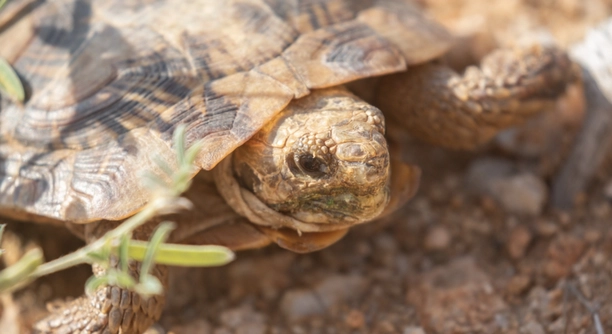
Pancake tortoises are unique and fascinating creatures, but caring for them can be tricky. If your pancake tortoise is not thriving, it may show signs of distress. Identifying these early warning signs is crucial for their well-being.
A pancake tortoise’s health can be impacted by environmental factors such as temperature, humidity, and diet. Lack of proper care can lead to a variety of issues, including poor growth, stress, and even illness.
Recognizing these signs early will help you provide the best care for your pancake tortoise, ensuring its health and happiness.
Temperature Issues
Temperature is crucial for a pancake tortoise’s health. These reptiles thrive in warm environments, and a drop in temperature can stress them. If they’re kept in a space that’s too cold, they may become lethargic or refuse to eat. A proper basking area should be set up with temperatures ranging from 85°F to 95°F.
Keeping your pancake tortoise in an environment that’s too chilly can lead to weakened immune systems and slow digestion. Ensuring they have access to heat is essential.
In addition to their basking spots, make sure the habitat has a cooler area as well. The temperature variation will mimic the natural environment, offering your tortoise both comfort and the ability to regulate its body heat. It’s important to monitor temperatures regularly with a thermometer to ensure the enclosure is always in the right range. Using heating lamps or mats can be helpful in maintaining a consistent temperature, preventing stress that can result from fluctuations.
Poor Diet
A pancake tortoise’s diet should be varied and nutritious. When they don’t receive proper food, their growth may slow or they might develop health issues. Leafy greens, vegetables, and high-quality grass should be included in their meals.
Feeding your tortoise a balanced diet rich in nutrients will support their overall health and vitality.
Without a proper diet, your pancake tortoise could face vitamin deficiencies, which may lead to brittle shells, weakened immune systems, and other health problems. Be sure to provide fresh, pesticide-free food and supplement with calcium and vitamin D3. The right diet ensures that your tortoise has the strength to thrive. Avoid feeding them fruits or high-protein foods, as they can cause digestive issues. A good mix of leafy greens, grasses, and flowers will help maintain proper digestion and energy levels.
Stress from Inadequate Space
A cramped space can negatively affect a pancake tortoise’s well-being. They need room to move and explore. A small enclosure will cause stress, leading to a variety of issues like lack of appetite and aggression.
Providing enough space is key to reducing stress. Your tortoise should have room to stretch its legs and wander around. Enclosures should be at least 4 feet long for a single tortoise, but bigger is always better. When the tortoise feels confined, it can become agitated, leading to poor health. The space should also include hiding spots where your tortoise can retreat and feel safe. These areas help them feel secure and reduce anxiety.
Providing variety in the habitat also encourages natural behaviors like digging and climbing. Having a larger area with different textures and features mimics the wild environment, allowing your tortoise to stay mentally stimulated and active. If the space is too small, these behaviors will be limited, leading to a stressed and unhappy tortoise.
Poor Shell Condition
The health of your pancake tortoise’s shell is a reflection of its overall well-being. A shell that appears soft, discolored, or damaged may indicate health problems. Proper care, diet, and environment can prevent these issues.
A tortoise’s shell is vital for protection and can tell you a lot about its health. If the shell becomes soft, it may be due to a lack of calcium, inadequate UVB light, or poor nutrition. A healthy shell should be firm and smooth, free from cracks or discoloration. If you notice any damage or deformities, it’s crucial to address the issue immediately.
To keep the shell strong, ensure your tortoise has access to UVB light. This will help with calcium absorption, which is essential for shell growth and strength. Regularly check the shell for signs of illness or injury, such as cracks or infections. If left untreated, these conditions can lead to permanent damage, affecting the tortoise’s mobility and quality of life. Keep the enclosure clean and dry, as moisture can contribute to fungal infections and shell rot.
Inconsistent Feeding Schedule
A pancake tortoise requires a regular feeding schedule to thrive. Irregular meal times can lead to stress and digestive issues. Consistency is key to maintaining their health.
Ensure that your tortoise is fed at the same time every day. This helps establish a routine, which is important for their mental and physical well-being.
Lack of Proper UVB Lighting
UVB light is essential for a pancake tortoise to process calcium and maintain a healthy shell. Without proper exposure, they may suffer from metabolic bone disease.
Ensure your tortoise has access to UVB lighting for 10-12 hours a day. Without this, the tortoise will struggle to absorb calcium, leading to weakened bones and shell issues. Regularly replace the UVB bulb, as they lose their effectiveness over time.
Illness
If your pancake tortoise starts acting lethargic, refuses food, or shows unusual behavior, it could be sick. Illness can be a sign of improper care or a more serious underlying condition.
Seek immediate veterinary attention if any of these symptoms appear. Early diagnosis and treatment are critical in preventing long-term health issues.
FAQ
What temperature is ideal for a pancake tortoise?
Pancake tortoises require a temperature range of 85°F to 95°F in their basking area. The cool side of the enclosure should be around 70°F. Keep the night-time temperature slightly lower, but not below 65°F. Providing both a warm basking spot and a cooler area allows your tortoise to regulate its body temperature naturally.
How often should I feed my pancake tortoise?
Feed your pancake tortoise once a day. Offer a variety of leafy greens, grasses, and flowers. It’s best to stick to a consistent feeding schedule. Avoid offering high-protein foods or fruits too often, as they can cause digestive issues.
Can pancake tortoises live with other reptiles?
Pancake tortoises can sometimes live with other reptiles, but it’s crucial to monitor them closely. Make sure they are compatible in terms of size, temperament, and environmental needs. Avoid housing them with aggressive species or those that require different temperatures.
How do I know if my pancake tortoise is stressed?
Signs of stress include lethargy, lack of appetite, aggressive behavior, or excessive hiding. Stress can result from environmental factors like temperature, overcrowding, or improper diet. Addressing the root cause of stress is important for their recovery.
Why is my pancake tortoise not eating?
If your pancake tortoise refuses to eat, it may be stressed, unwell, or the temperature could be too low. Ensure it has a proper diet, correct temperatures, and enough space. A trip to the vet may be necessary if refusal to eat persists.
How do I care for a pancake tortoise’s shell?
Keep the shell clean and dry to avoid fungal infections or shell rot. Ensure proper calcium intake through their diet and UVB lighting. A healthy shell should be firm, smooth, and free from cracks. Regularly check the shell for signs of damage or disease.
What should I do if my pancake tortoise’s shell is soft?
If your tortoise’s shell feels soft, this could be a sign of calcium deficiency or lack of UVB light. Provide a proper calcium supplement and ensure the tortoise has access to UVB light for 10-12 hours daily. Consult a vet if the condition doesn’t improve.
How can I tell if my pancake tortoise is too hot or too cold?
If your tortoise is too hot, it may become lethargic and seek cooler places to hide. If it’s too cold, it may not be active, might appear sluggish, and may not eat. Monitor the enclosure temperature regularly to ensure a balanced environment.
How much space does a pancake tortoise need?
Your pancake tortoise needs a minimum of 4 feet of space for one tortoise. A larger enclosure is always better, as it allows for more movement and exploration. Make sure to include hiding spots and climbing structures to make the space more engaging.
Can I use sand in my pancake tortoise’s enclosure?
Sand can be used in moderation, but it’s essential to choose a fine, safe variety. Avoid using sand that could be too coarse and lead to impaction if ingested. A better substrate option might be coconut husk, which is more absorbent and safer.
What should I do if my pancake tortoise is shedding?
Shedding is a normal process for tortoises. Make sure your tortoise has access to adequate humidity and proper nutrition to help with the process. If the shedding seems abnormal or if there’s skin irritation, consult a vet to rule out any underlying health issues.
Can I handle my pancake tortoise?
Pancake tortoises are generally shy and prefer minimal handling. However, gentle and infrequent handling won’t harm them, as long as it’s done carefully. Too much handling can cause stress, so it’s important to allow your tortoise to spend most of its time in a stress-free environment.
What lighting does my pancake tortoise need?
Your pancake tortoise needs UVB lighting to help with calcium absorption. A 10-12 hour day-night cycle is ideal. This lighting should be placed over the basking area and replaced every 6 months to maintain effectiveness.
How can I prevent my pancake tortoise from escaping?
Ensure the enclosure is escape-proof by using a secure lid or walls. Check for gaps and potential escape routes. Some tortoises may attempt to climb or burrow, so make sure the sides are tall enough to prevent them from climbing out.
How can I tell if my pancake tortoise is sick?
Signs of illness include lethargy, lack of appetite, swollen eyes, abnormal shell appearance, or discharge from the nose or mouth. If any of these symptoms are observed, take your tortoise to a vet immediately for a proper diagnosis and treatment plan.
Can pancake tortoises live outside?
Yes, pancake tortoises can live outside if the climate is appropriate. They need a warm, dry environment with access to shade. Make sure to provide proper shelter and ensure the enclosure is secure. Avoid exposing them to extreme temperatures or harsh weather conditions.
Final Thoughts
Caring for a pancake tortoise can be rewarding, but it requires attention to detail and dedication. Their needs are specific, from the right temperature to a consistent feeding schedule. Ensuring they have proper UVB lighting and a balanced diet is crucial for their health. It’s important to create a stable environment where they feel safe and comfortable. With the right care, they can live long and healthy lives, showing their unique behavior and personality.
While maintaining an appropriate enclosure and feeding schedule is vital, it’s equally important to monitor your tortoise for signs of stress or illness. Their behavior can be a direct reflection of their environment and overall well-being. Regular checks for changes in eating habits, activity level, or shell health can help catch issues early. Consulting a vet when necessary is key to keeping your pancake tortoise thriving. These animals may be resilient, but like any pet, they need proper attention to stay in good health.
By understanding the needs of your pancake tortoise, you’ll be able to provide a better life for them. As long as their physical, environmental, and dietary needs are met, they can thrive in your care. It may take time to adjust to their requirements, but the bond that forms as a result is worth the effort. Providing a loving, well-maintained space will allow your pancake tortoise to live a fulfilling life, and you’ll get to enjoy their unique presence for years to come.

Hello,
If you enjoy the content that we create, please consider saying a "Thank You!" by leaving a tip.
Every little bit helps us continue crafting quality advice that supports the health, happiness, and well-being of pets around the world, for pets of all shapes, sizes, and species.
We really appreciate the kindness and support that you show us!