
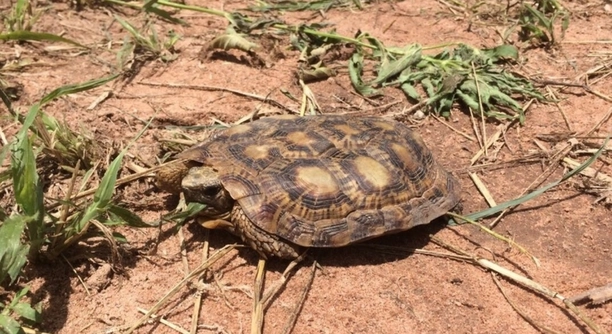
Keeping multiple pancake tortoises together in one habitat requires careful planning. Their social behaviors and environmental needs must be met to ensure they thrive without conflict. Proper management will also help avoid stress-related health issues.
To successfully keep multiple pancake tortoises together, ensure ample space, proper diet, and a suitable hiding area. Regular monitoring of interactions and behavior is necessary to prevent aggression. Ensure that the enclosure is large enough to accommodate multiple individuals comfortably.
By following these practices, your tortoises will have a better chance of living harmoniously. Proper attention to their needs is key to maintaining a peaceful environment for them.
Providing Enough Space for Your Pancake Tortoises
Pancake tortoises are not solitary creatures. To keep multiple together successfully, they need enough room to roam and establish their own territories. A small enclosure can quickly lead to tension, with tortoises competing for space and hiding spots. Overcrowding can cause stress, which may lead to health issues or aggression. Aim for at least 30 square feet of space for a small group of tortoises. This allows them to move freely and avoid constant confrontations.
Providing enough space helps prevent territorial disputes and allows each tortoise to enjoy some time alone. Giving them room to explore will improve their overall well-being.
A well-spaced enclosure ensures your tortoises can interact in a more natural way. By giving each one its own space, you reduce stress and encourage healthier behaviors. Make sure your enclosure has areas for hiding, basking, and climbing to mimic the natural environment. Each tortoise will benefit from these elements.
Managing Diet and Feeding Practices
Feeding multiple pancake tortoises together requires careful consideration. Make sure each tortoise has access to fresh food and water. Avoid feeding them in the same area to minimize competition. Use multiple feeding stations to ensure everyone gets enough.
A balanced diet is essential to keeping your tortoises healthy and content. Offer a variety of vegetables, leafy greens, and occasional fruits. Consistent, well-balanced feeding can reduce aggression related to hunger and improve their long-term health.
Monitor your tortoises during feeding time to prevent one from monopolizing food. You may need to adjust the portion sizes or provide extra food for slower eaters. Proper diet management also contributes to better shell health and overall energy levels.
Creating Hiding Spaces for Each Tortoise
Each pancake tortoise needs a place to retreat to when it feels stressed or overwhelmed. Without these hiding spots, they may become more aggressive toward each other. Adding multiple hiding spaces in the enclosure allows each tortoise to find its own safe zone. This reduces conflicts and keeps them calmer.
A variety of hiding spots—whether small caves, rocks, or stacked logs—will give your tortoises options. Ensure that the hiding spaces are spread out across the enclosure so that no one has to fight for access. These spots mimic the natural environments they’d seek for shelter, promoting healthier behavior.
In a well-designed habitat, hiding spaces aren’t just about offering privacy; they also help with thermoregulation. Tortoises often seek cooler or warmer areas to maintain body temperature. Having diverse spots allows them to adjust as needed, which also reduces the chance of territorial disputes.
Maintaining Clean Water and Humidity Levels
Water is essential for keeping pancake tortoises hydrated and healthy. It’s crucial to maintain a clean, fresh water source within their enclosure at all times. Not only does this support hydration, but it also plays a key role in their digestion and overall well-being.
Set up a shallow water dish that is easy to clean and refill. Consider adding a small filter to keep the water fresh and free of debris. Monitor the water daily to ensure it remains clean, as dirty water can cause stress and health problems for your tortoises.
Humidity levels also need attention. While pancake tortoises prefer a dry environment, a small level of humidity can help with shell health and skin hydration. Mist the enclosure lightly in the morning to maintain this balance. Too much humidity can lead to respiratory issues, so monitor the conditions carefully.
Avoiding Aggression Between Tortoises
Aggression can arise when tortoises feel threatened or cramped. It’s important to watch for signs of stress, like chasing or biting, and act quickly to resolve conflicts. Give each tortoise enough space and food to minimize competition and reduce aggression.
When tortoises start showing signs of aggression, separating them temporarily can help. Allowing them some time apart can prevent escalation. Afterward, they may resume peaceful coexistence if they’ve had enough time to calm down. Maintaining a balanced environment helps keep them relaxed.
Keeping the Enclosure Well-Structured
A well-structured enclosure creates an environment where tortoises can live peacefully and naturally. Include multiple basking areas, climbing structures, and places to hide. This variety of spaces allows tortoises to engage in normal behaviors like climbing, basking, and seeking shelter, which helps prevent stress.
The structure should also support their need for sunlight and shade. Tortoises rely on natural light to regulate their body temperature, so provide areas where they can move between warm and cool spots throughout the day. Having varied terrain and structures ensures a balanced habitat.
Providing Regular Health Checks
Health checks are crucial to ensuring your tortoises stay healthy and comfortable in a shared habitat. Regular vet visits help catch issues early and maintain their overall well-being. Monitor their shells, skin, and eating habits for signs of illness or injury.
FAQ
How many pancake tortoises can live together?
The number of pancake tortoises that can live together depends on the size of the enclosure. Ideally, one tortoise needs at least 30 square feet of space. With more tortoises, you need to increase the space to accommodate them without overcrowding. In general, two or three tortoises can live comfortably in a large, well-structured enclosure. However, it’s important to monitor them for signs of stress or aggression. Always ensure they have enough hiding spots, food, and access to fresh water to keep them comfortable.
Can male and female pancake tortoises live together?
Yes, male and female pancake tortoises can live together, but it’s important to note their behavior. Males can become territorial and may show aggressive behaviors, especially during mating season. If you’re planning to house males and females together, make sure there is enough space for them to escape each other when necessary. It’s a good idea to observe their interactions regularly to ensure they’re not becoming overly aggressive. Introducing more hiding spots and providing sufficient space can help ease potential conflicts.
What is the best temperature for pancake tortoises?
Pancake tortoises thrive in a warm environment. The ideal temperature range for their enclosure is between 75°F to 85°F during the day. They also need a basking area with a heat lamp that provides a temperature of around 95°F to 100°F. At night, temperatures can drop to around 70°F to 75°F. It’s important to avoid extreme temperature fluctuations, as this can cause stress. Regularly check the temperatures with a thermometer to ensure the enclosure stays within the optimal range.
How often should I feed pancake tortoises?
Pancake tortoises should be fed every other day. Their diet should consist of leafy greens, vegetables, and occasional fruits. The exact frequency can vary depending on their age and activity level. Younger tortoises may need to eat more frequently, while adults can go a bit longer between meals. It’s important to provide fresh food each time, and always remove any uneaten food to prevent it from spoiling and attracting pests. Offering a variety of foods helps to ensure they get a balanced diet and all necessary nutrients.
Do pancake tortoises need to bathe?
Yes, pancake tortoises do benefit from occasional bathing, especially if they’re not getting enough humidity from their environment. A shallow bath can help them stay hydrated and maintain healthy skin. Place the tortoise in a shallow dish of lukewarm water for about 15 to 20 minutes, ensuring they can easily exit when they’re done. You can bathe them once a week or more if they appear dehydrated. Never leave them unattended in the water, as they may get stressed or become submerged.
What kind of substrate should I use for pancake tortoises?
A good substrate for pancake tortoises is a mixture of sand, soil, and coconut coir. This combination allows them to dig and burrow, which is a natural behavior. The substrate should be kept dry, but lightly misted occasionally to maintain slight humidity. Avoid using cedar or pine wood shavings, as these can be harmful to tortoises. Ensure the substrate is deep enough for them to dig into, but not so deep that it poses a risk to their health. Regularly clean the substrate to prevent it from becoming too soiled.
Are pancake tortoises social animals?
Pancake tortoises are naturally social but not overly interactive. In the wild, they live in colonies and often engage in social behaviors such as sharing basking spots and hiding spaces. In captivity, they can live peacefully with other tortoises if given enough space. However, they can also be territorial at times. It’s important to observe their interactions and ensure they are not showing signs of aggression. If they are kept with others, make sure there are plenty of hiding spots and areas to bask so they don’t feel crowded.
How can I tell if my pancake tortoise is stressed?
Signs of stress in a pancake tortoise can include a lack of appetite, excessive hiding, or changes in behavior such as pacing. They may also become more aggressive toward other tortoises or exhibit nervous behaviors. In some cases, a stressed tortoise may retreat into its shell and remain there for extended periods. Keep an eye on their activity levels, and if you notice any significant changes, it could indicate stress. Make sure the environment is comfortable, with enough space, food, and hiding spots. If the stress continues, it may be necessary to consult a vet.
Can pancake tortoises live outside?
Pancake tortoises can live outside in the right climate. They prefer warm, dry environments and should not be exposed to extreme cold or wet conditions. If you live in a region with mild temperatures, you can set up an outdoor enclosure that mimics their natural habitat. Ensure the outdoor area has plenty of hiding spots, access to water, and a safe, secure fence. During colder months, they may need to be brought inside to prevent exposure to low temperatures. Always monitor the weather and adjust their environment as needed.
What should I do if my pancake tortoise isn’t eating?
If your pancake tortoise isn’t eating, first check its environment. Ensure the temperature, humidity, and lighting are optimal, as these factors can affect appetite. Stress from overcrowding, insufficient hiding spots, or changes in the enclosure can also cause a loss of appetite. Try offering a variety of foods to see if they prefer a certain type. If the lack of appetite persists for more than a few days, consult a vet to rule out any health problems. Regular monitoring and maintaining a consistent environment are key to ensuring their appetite stays healthy.
Final Thoughts
Caring for pancake tortoises involves creating a suitable habitat where they can thrive. Ensuring they have enough space, proper temperature, and the right diet will contribute to their well-being. Regularly checking their environment, including the substrate, humidity, and food intake, is key to keeping them healthy. By providing a balance between warmth, light, and shelter, you help create an environment that mimics their natural surroundings, allowing them to live comfortably and reduce stress.
Social interaction is another important factor when keeping multiple pancake tortoises together. While they are naturally social animals, they can become territorial, especially during mating season. It’s essential to observe their behavior and make adjustments if aggression arises. Offering multiple hiding spots and basking areas will ensure they have their own space when needed. Regular monitoring will help prevent conflicts and maintain a peaceful living situation for all the tortoises in the enclosure.
In conclusion, pancake tortoises are fascinating creatures that require attention to detail and care. They can live harmoniously with others if given the proper space, diet, and environment. With the right approach, you can ensure they live a long, healthy life. Regular maintenance of their habitat and understanding their behaviors will help prevent issues. By following these guidelines, you’ll create an ideal setting for your pancake tortoises, supporting their well-being and making your experience as a tortoise keeper more enjoyable.

Hello,
If you enjoy the content that we create, please consider saying a "Thank You!" by leaving a tip.
Every little bit helps us continue crafting quality advice that supports the health, happiness, and well-being of pets around the world, for pets of all shapes, sizes, and species.
We really appreciate the kindness and support that you show us!