
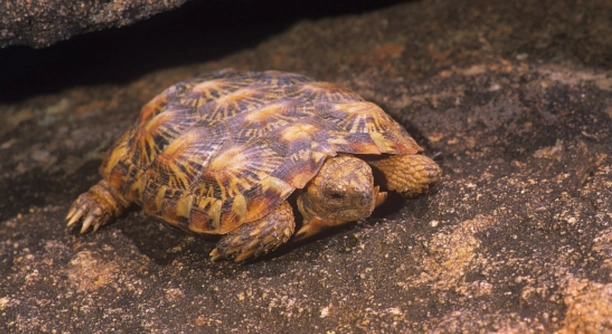
Pancake tortoises are gentle creatures that require proper care to thrive in captivity. Their health is essential to ensuring they live a long, happy life. Recognizing signs of illness early can help prevent serious issues and ensure their well-being.
There are several key signs to watch for that may indicate your pancake tortoise is feeling unwell. These include changes in eating habits, unusual behavior, lethargy, and physical signs such as shell abnormalities or respiratory issues.
It’s important to know how to spot any changes in your tortoise’s condition. This guide will help you identify potential problems early and understand how to address them.
Changes in Eating Habits
One of the most noticeable signs that your pancake tortoise may not be feeling well is a change in its eating habits. Healthy tortoises are typically active eaters, enjoying a variety of greens and vegetables. If your tortoise suddenly refuses food or eats much less than usual, it could be a sign of stress, illness, or environmental changes. Additionally, if your tortoise starts eating in a disorganized or unbalanced manner, it’s important to monitor its behavior closely.
Changes in diet could point to digestive issues or discomfort. In some cases, they may stop eating if their habitat conditions, like temperature or humidity, are not ideal. It’s also possible that they are suffering from an underlying infection, which can affect their appetite.
Monitoring your pancake tortoise’s eating habits regularly will help you spot any sudden changes early. A lack of appetite, especially when combined with other symptoms, should prompt a visit to a veterinarian for an accurate diagnosis and treatment plan. Keeping track of their diet and behavior can help avoid bigger health problems down the line.
Unusual Behavior and Lethargy
Lethargy and abnormal behavior are often indicators that something is wrong. If your pancake tortoise is moving slower than usual, or hiding more often than normal, it’s a sign to pay attention. Tortoises are naturally active animals, so a drop in energy levels could suggest that something is affecting their health.
Sometimes, this behavior is linked to environmental issues, like improper lighting or temperature. Tortoises rely on warmth to stay active, and if their environment is too cold, they may become lethargic. Stress and illness can also cause tortoises to act differently, like hiding in their shells or becoming unusually withdrawn.
Keeping track of your tortoise’s energy levels and how much they explore their habitat can give you valuable insight into their well-being. If you notice your pancake tortoise being more lethargic than usual, consider adjusting its environment first. If the behavior continues, further investigation may be needed.
Shell Abnormalities
If you notice any changes to your pancake tortoise’s shell, it’s important to investigate. A healthy tortoise has a smooth, hard shell. If you see any cracks, soft spots, or discoloration, it could indicate an infection, injury, or nutritional deficiency. The shell’s condition reflects your tortoise’s overall health.
A common cause of shell issues is improper calcium intake, leading to softening or deformities. If your tortoise’s shell begins to soften or show visible damage, it may be lacking essential nutrients. Infections can also cause shell discoloration, which is often paired with other symptoms like lethargy or loss of appetite.
Keep a close eye on the appearance of your tortoise’s shell. Regular maintenance of their habitat, along with a well-balanced diet, can help prevent many shell-related problems. If abnormalities persist, a visit to the vet is essential for treatment, as untreated shell issues can worsen quickly.
Respiratory Issues
Respiratory problems in pancake tortoises can be difficult to spot, but they’re critical to address. If your tortoise is wheezing, sneezing, or showing signs of labored breathing, it could indicate a respiratory infection. These infections can be caused by poor habitat conditions, such as incorrect humidity or temperature.
Pay attention to any visible discharge from the nose or mouth, as this can be a clear sign of respiratory distress. Tortoises may also become more lethargic or stop eating if they are struggling to breathe properly. It’s important to rule out environmental factors before seeking professional help.
Proper humidity and temperature are essential to preventing respiratory infections. Ensure your tortoise’s habitat is warm and dry to avoid fungal or bacterial growth. If symptoms continue despite these adjustments, consulting a vet for antibiotics or other treatments is necessary to address the infection and help your tortoise recover.
Abnormal Stool
Pay attention to your pancake tortoise’s stool. Healthy tortoises produce firm, dark pellets. If the stool becomes runny, unusually light, or has a strong odor, it could signal digestive problems or an infection. This change should be addressed to prevent further complications.
Changes in stool consistency often point to issues like parasites, diet changes, or stress. A sudden shift in diet, like feeding too much fruit or new food, can upset the digestive system. Infections may also cause abnormal stool, often accompanied by other symptoms like lethargy or loss of appetite.
If you notice ongoing stool problems, adjust your tortoise’s diet back to its usual routine and check its environment. If stool abnormalities continue, consult a veterinarian for tests and appropriate treatment.
Lack of Movement
When a pancake tortoise is unwell, it may stop moving as much. Healthy tortoises are usually active and curious, so a decrease in movement can be a sign of discomfort or illness. If your tortoise is rarely moving, it’s time to investigate further.
It’s important to rule out environmental factors like temperature or lighting. Cold temperatures can cause your tortoise to become sluggish or inactive. If everything seems normal in its environment, check for signs of injury or illness that could be causing the lack of movement.
A sudden decrease in activity is often a sign that something is wrong, so monitor your tortoise’s behavior and consult a vet if you notice a noticeable decline in movement.
FAQ
What should I do if my pancake tortoise refuses to eat?
If your pancake tortoise refuses to eat, check its environment first. Ensure that the temperature and humidity levels are appropriate for its species. Tortoises may lose their appetite if the conditions are too cold or too damp. It’s also important to offer a variety of fresh foods, including leafy greens and vegetables. If your tortoise continues to refuse food for more than a day or two, consider taking it to a veterinarian to rule out any underlying health issues, such as gastrointestinal problems or infections.
How do I know if my pancake tortoise is sick?
There are several signs that may indicate your pancake tortoise is unwell. These include lethargy, loss of appetite, abnormal stool, respiratory issues (like wheezing or discharge from the nose), and changes in its shell’s appearance. Keep an eye on your tortoise’s behavior and physical condition. If you notice any significant changes, it’s a good idea to consult a vet to determine the cause and appropriate treatment.
Is it normal for a pancake tortoise to hide for long periods?
Yes, it’s normal for pancake tortoises to hide, especially when they feel stressed or need to rest. However, if your tortoise is hiding for unusually long periods or seems to be avoiding its food and water, it could indicate a problem. Excessive hiding combined with other symptoms like lethargy, loss of appetite, or abnormal behavior can be signs of illness, and you should have your tortoise examined by a vet.
Can my pancake tortoise recover from a respiratory infection?
Yes, respiratory infections in pancake tortoises are treatable if caught early. These infections are often caused by environmental factors such as improper humidity or temperature. Once diagnosed, your vet will likely recommend medication, such as antibiotics, to treat the infection. Additionally, you’ll need to adjust the tortoise’s habitat to avoid further health complications. With proper treatment and care, your tortoise can make a full recovery.
How often should I feed my pancake tortoise?
Pancake tortoises should be fed daily, with a variety of vegetables, greens, and some fruit as part of a balanced diet. The food should be fresh and cleaned properly. It’s important to avoid overfeeding or providing high-fat foods. Monitor their weight and adjust the amount of food based on their activity level and age. If your tortoise is younger, it may require more frequent feeding, while adult tortoises typically need less.
What are the best temperatures for a pancake tortoise’s habitat?
Pancake tortoises thrive in warm temperatures. During the day, the temperature in their habitat should range between 85°F and 95°F. At night, the temperature can drop to around 70°F. Make sure your tortoise has access to a warm basking area as well as cooler zones in its habitat to regulate its body temperature. Use a thermometer to ensure the enclosure stays within the proper temperature range.
Why is my pancake tortoise’s shell soft?
A soft shell is often a sign of calcium deficiency. Pancake tortoises, like all reptiles, need calcium for strong shell development. If your tortoise’s shell feels soft, it could be a sign that it is not receiving enough calcium or UVB light. Make sure you’re providing calcium supplements in their diet, and ensure that they have access to proper UVB lighting. If the problem persists, consult a vet to rule out other health issues.
Can stress affect my pancake tortoise’s health?
Yes, stress can negatively impact your pancake tortoise’s health. Stress can come from various factors, including improper habitat conditions, loud noises, handling, or even the presence of other pets. Stressed tortoises may stop eating, become lethargic, or display abnormal behaviors. It’s essential to provide a calm and stable environment for your tortoise and to minimize disturbances that could stress it out. If stress becomes a regular issue, consider adjusting its environment or seeking professional advice.
How can I prevent parasites in my pancake tortoise?
Parasites are a common issue for tortoises, but they can be prevented with good hygiene and regular health checks. Make sure your tortoise’s habitat is kept clean, and always remove uneaten food and waste promptly. Avoid introducing new plants or animals to the enclosure without checking for potential contamination. Additionally, regular vet checkups can help detect parasites early, allowing for treatment before they cause significant problems.
How do I care for a pancake tortoise’s shell?
A pancake tortoise’s shell requires minimal care, but it is important to keep it clean and free of any debris. Avoid rough handling that could damage the shell, and ensure that your tortoise’s environment has the proper temperature and humidity levels to prevent shell problems. A well-balanced diet, including adequate calcium intake, is also essential for maintaining a healthy shell. If you notice any cracks, discoloration, or softness, it’s important to consult a vet to address the issue promptly.
Final Thoughts
Caring for a pancake tortoise involves understanding its specific needs and being attentive to any signs of illness. While these tortoises are generally hardy, they can face health challenges that require quick attention. By monitoring their behavior, eating habits, and physical condition regularly, you can spot any potential issues before they become serious. Keeping their environment stable and ensuring they have a balanced diet is essential to their overall well-being. Regular check-ups with a vet can also help catch health problems early, giving your tortoise the best chance for a long and healthy life.
If you notice any signs that your tortoise may be unwell, don’t ignore them. Whether it’s changes in eating habits, abnormal stool, or lethargy, it’s important to assess the situation promptly. Many issues can be solved with minor adjustments to their habitat or diet. However, more serious problems may require professional veterinary care. It’s always better to act early and get a proper diagnosis than wait and risk the condition worsening. By being proactive in your care routine, you can provide your pancake tortoise with the best possible environment and care.
In the end, a happy and healthy pancake tortoise thrives on proper nutrition, a safe and clean habitat, and attention to its health. Each tortoise is unique, and understanding its individual needs will make a huge difference in how it feels and behaves. While being a tortoise owner requires patience and commitment, the joy of seeing your pancake tortoise live a healthy life makes it all worth it. With consistent care and knowledge, you can ensure your tortoise stays in great shape for years to come.

Hello,
If you enjoy the content that we create, please consider saying a "Thank You!" by leaving a tip.
Every little bit helps us continue crafting quality advice that supports the health, happiness, and well-being of pets around the world, for pets of all shapes, sizes, and species.
We really appreciate the kindness and support that you show us!