
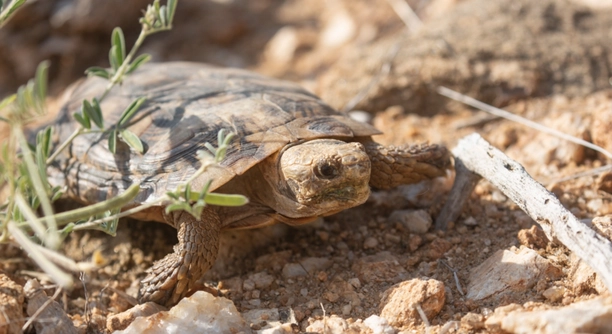
Pancake tortoises are fascinating creatures, but like all pets, they can experience various health issues. Knowing how to care for them properly can help ensure they live a happy and healthy life.
Natural remedies can be an effective and gentle way to treat common pancake tortoise ailments. These remedies range from dietary adjustments to environmental changes that help improve their overall well-being and address specific health concerns.
Simple and easy-to-follow steps can make a world of difference for your pancake tortoise’s health. Let’s explore natural ways to help treat and prevent some of the most common ailments.
Proper Diet to Prevent Health Issues
A balanced diet plays a key role in keeping pancake tortoises healthy. These tortoises are herbivores, meaning their diet should mainly consist of plants such as leafy greens, grasses, and certain fruits. Ensuring they get the right nutrients helps prevent issues like shell deformities and digestive problems. Poor diet choices can also lead to obesity, a common issue for captive tortoises.
One of the most important things to remember is the variety of food. Offering different types of greens, such as collard greens, dandelion greens, and turnip greens, provides the necessary vitamins and minerals for your tortoise. High-calcium foods like kale and cactus pads are also beneficial. However, avoid giving them high-oxalate foods like spinach too frequently, as this can affect calcium absorption.
Incorporating fresh, clean water into their diet is also important. Pancake tortoises drink water, and a shallow dish should always be available to them. Hydration aids in digestion and overall health, preventing dehydration, which can be a hidden cause of several health issues. Adding calcium supplements to their food can also help prevent shell issues, promoting strong, healthy shells.
Proper Humidity and Temperature Control
Maintaining the right humidity and temperature is crucial for the health of pancake tortoises. They thrive in warm, dry environments, with temperatures ranging between 80-90°F (27-32°C). If their habitat is too cold or too humid, they can develop respiratory issues or suffer from shell problems.
To achieve the right conditions, use a heat lamp or ceramic heater to maintain the appropriate temperature during the day. At night, temperatures can drop slightly but should not go below 70°F (21°C). A humidity level of 50-60% is ideal. You can measure humidity using a hygrometer and adjust it by misting the enclosure or adding a water source.
It’s important to avoid excessive humidity, as this can lead to fungal infections or shell rot. Make sure to provide proper ventilation to keep the enclosure from becoming too damp. Regularly clean the enclosure to prevent mold or bacteria buildup, as these can cause health issues for your tortoise. Temperature and humidity play a big role in digestion, so keeping them within a suitable range supports proper metabolism and overall well-being.
Regular Exercise and Activity
Pancake tortoises need space to move around. Providing them with enough room for daily activity ensures they stay physically fit. Without regular movement, they can become lethargic, which might lead to health problems.
Encouraging exercise is simple. Place rocks, logs, or other objects in their enclosure to promote climbing and exploration. This stimulates their natural behavior and keeps their muscles strong. A well-sized enclosure is essential for them to roam around and explore.
Exercise also helps prevent obesity, which is a common concern for captive tortoises. The more active they are, the healthier they will be. Make sure to provide enough stimulation to avoid boredom, which can lead to stress and health complications.
Shell Care
Your pancake tortoise’s shell requires regular attention. The shell should be kept clean and free from injuries. Checking for cracks or fungal infections regularly can prevent more serious health issues down the line. Regular shell care helps your tortoise maintain a healthy exterior.
Proper UVB lighting is vital for shell health. It aids in calcium absorption, which is necessary for strong and sturdy shells. Providing a calcium supplement is also important for shell maintenance. A diet rich in calcium and exposure to UVB rays works together to ensure the shell remains in good condition.
FAQ
What should I feed my pancake tortoise?
Pancake tortoises are herbivores, so they thrive on a diet of leafy greens, grasses, and some fruits. Offer a variety of greens like dandelion greens, collard greens, and turnip greens. You can also give them edible flowers such as hibiscus. Make sure to avoid high-oxalate greens like spinach to prevent calcium absorption issues. Some fruits like apples or berries can be provided occasionally as a treat. Remember to always offer fresh, clean water for hydration.
How often should I feed my pancake tortoise?
Pancake tortoises are not heavy eaters, and they typically only need to be fed every other day. However, this can vary depending on the tortoise’s age, size, and activity level. Hatchlings and younger tortoises may require more frequent feedings, while adults can eat less often. Keep an eye on their weight and adjust their feeding schedule as needed. Ensure that the food is fresh and free of pesticides.
Do pancake tortoises need a heat source?
Yes, pancake tortoises need a heat source to regulate their body temperature. A basking spot should be provided in their enclosure, with temperatures ranging between 85-90°F (29-32°C). Use a heat lamp or a ceramic heater to create this warm area. At night, the temperature can drop slightly but should not go below 70°F (21°C). It’s crucial to maintain these temperatures to keep your tortoise healthy and prevent cold-related health issues.
Can I keep my pancake tortoise outdoors?
Pancake tortoises can live outdoors in warmer climates. However, it’s essential to ensure that their outdoor habitat has proper shelter, safety, and temperature control. If you live in an area with extreme temperatures or seasons, it’s best to house them indoors where you can maintain the ideal conditions. Outdoor enclosures should have adequate fencing, protection from predators, and access to shade and water.
How much humidity do pancake tortoises need?
Pancake tortoises require moderate humidity levels, generally around 50-60%. If the humidity is too high, it could lead to respiratory infections or shell rot. On the other hand, low humidity can cause dehydration. You can monitor the humidity in their enclosure with a hygrometer and adjust it by adding water sources or misting. Ensure the enclosure is well-ventilated to prevent mold or bacteria buildup.
Can pancake tortoises eat vegetables?
Yes, vegetables are an essential part of their diet. Offer a variety of vegetables such as zucchini, bell peppers, and squash. However, avoid feeding them starchy vegetables like potatoes or corn. Dark, leafy greens and wild grasses should be prioritized over other vegetables to ensure they get the right nutrients.
How do I clean my pancake tortoise’s enclosure?
Cleaning the enclosure regularly is crucial for your tortoise’s health. Remove any uneaten food daily to prevent mold or bacterial growth. Once a week, thoroughly clean the substrate, wash water dishes, and wipe down surfaces. You can spot clean areas where your tortoise may have defecated. Avoid harsh chemicals and use safe cleaning products to ensure your tortoise isn’t exposed to toxic substances. A deep clean every month is also recommended to maintain a hygienic environment.
What should I do if my pancake tortoise has a shell injury?
If your pancake tortoise suffers from a shell injury, it’s important to assess the damage. If the injury is superficial, clean the area with mild, non-toxic antiseptic and apply an antibiotic ointment. If there is a crack or deep wound, it’s best to take your tortoise to a veterinarian. Shell injuries can lead to infections if not treated properly, so don’t hesitate to seek professional help for serious damage.
Is UVB lighting necessary for pancake tortoises?
Yes, UVB lighting is essential for pancake tortoises, especially those kept indoors. UVB light helps them synthesize vitamin D3, which is crucial for calcium absorption. Without adequate UVB exposure, they can develop shell deformities and other health issues related to calcium deficiency. Provide a UVB bulb in the enclosure and replace it every 6-12 months, as the effectiveness of UVB lighting decreases over time.
How can I tell if my pancake tortoise is sick?
Signs of illness in pancake tortoises can include lethargy, loss of appetite, wheezing or difficulty breathing, and changes in behavior. If your tortoise is not eating or drinking, or if its shell appears soft or deformed, it could be a sign of a health problem. Any visible signs of injury, such as cracks in the shell or open wounds, should be taken seriously. Always consult a vet if you notice any concerning symptoms.
Can pancake tortoises live with other tortoises?
Pancake tortoises can sometimes coexist with other tortoises, but it depends on the species. It’s important to monitor their interactions closely, as some tortoises may become territorial or aggressive. Providing ample space and resources for each tortoise will reduce competition and stress. It’s best to introduce them gradually and keep an eye on any signs of aggression.
How long do pancake tortoises live?
Pancake tortoises can live a long time, often reaching 30-40 years with proper care. Some individuals have been known to live even longer. Their lifespan can be greatly affected by the conditions they are kept in, including diet, habitat, and overall health. By providing them with the right environment and care, you can ensure they live a long, healthy life.
Are pancake tortoises good pets?
Pancake tortoises can make great pets, but they do require special care. They need a warm, dry environment with proper humidity, heat, and UVB lighting. They also need a diet rich in leafy greens and occasional fruits. If you have the time and resources to meet their needs, they can be fascinating and low-maintenance companions. However, they are not suited for first-time pet owners, as they require consistent care and attention.
Taking care of a pancake tortoise can be a rewarding experience if you know what to expect. These unique creatures require specific care, from maintaining the right temperature and humidity to offering a balanced diet. By meeting their basic needs, such as providing them with enough space to roam and ensuring they get proper nutrition, your pancake tortoise will thrive in its environment. It’s important to stay proactive about monitoring their health and environment, as small issues can turn into larger ones if not addressed early on.
While the care requirements for a pancake tortoise may seem extensive, they are manageable with the right setup and routine. Regular attention to their habitat, including keeping the enclosure clean and maintaining proper temperature and lighting, will help prevent common health problems. Regular check-ups, both for physical health and environmental conditions, will ensure your tortoise stays happy and healthy. If you are attentive and patient, your pancake tortoise will not only survive but will live a long and healthy life.
In the end, providing the best care for your pancake tortoise comes down to consistency and understanding. You’ll need to monitor the details, but once you get into a good routine, their needs become easier to manage. The rewards of caring for such a unique and beautiful pet are well worth the effort. With the right approach, you can help your pancake tortoise live a comfortable, healthy life for many years to come.

Hello,
If you enjoy the content that we create, please consider saying a "Thank You!" by leaving a tip.
Every little bit helps us continue crafting quality advice that supports the health, happiness, and well-being of pets around the world, for pets of all shapes, sizes, and species.
We really appreciate the kindness and support that you show us!