
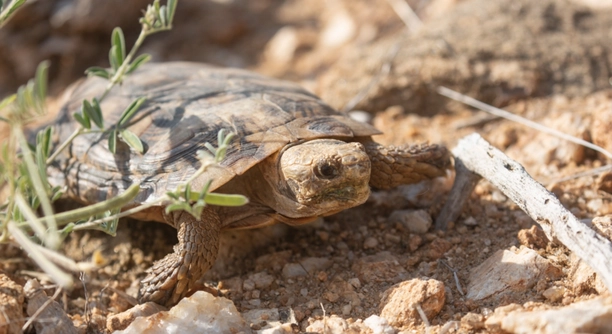
Pancake tortoises are fascinating creatures with unique shell structures that are unlike most other species. Their shells are thin and flat, and they are designed to help them survive in the wild.
The pancake tortoise’s shell is notably thin and flexible, enabling it to squeeze into small crevices and protect itself from predators. Unlike other tortoises, its shell provides minimal protection from physical impacts but serves as an effective defense mechanism in the wild.
Understanding the details behind their shell’s structure reveals a lot about how pancake tortoises adapt to their environment. Keep reading to learn more about these amazing animals.
Unique Shell Design for Protection
The pancake tortoise’s shell is flat, thin, and highly flexible, quite unlike most other tortoises. This structure allows it to slide into narrow rock crevices where predators can’t follow. Its flat shape helps it avoid being noticed by predators, offering a safer way to hide. Though it may seem delicate, the shell is strong enough to provide a level of protection while giving the tortoise an edge in the wild.
The pancake tortoise’s flexibility comes from its lighter, thinner shell. While it is not as hard as other tortoises, this adaptation allows it to seek shelter in places others cannot. The shell isn’t just a simple structure but a clever design for survival.
In nature, avoiding predators is crucial for many animals. The pancake tortoise has adapted to this challenge by developing a shell that makes it nearly impossible for most predators to catch. When threatened, the tortoise will retreat into the cracks between rocks, squeezing into tight spaces where it’s safe. This defense mechanism is much more effective than a hard, bulky shell, which might slow it down or leave it exposed in the open.
Shell’s Limited Defense Against Physical Attacks
While the pancake tortoise’s shell does offer some protection, it is not its primary defense. Instead, the tortoise relies heavily on its ability to hide in hard-to-reach spots. It does not have the same armor-like protection as other tortoises, and its shell won’t stop larger predators from causing harm.
The pancake tortoise’s shell, though helpful, is not invincible. It can protect the tortoise from smaller threats but provides no real defense against larger predators or physical trauma. It relies on its agility and ability to hide, making speed and flexibility more important than a strong, rigid shell.
Flexibility Over Strength
The pancake tortoise’s thin, flexible shell makes it unique. It offers minimal protection from physical harm but allows the tortoise to squeeze into tight spaces. This flexibility is key to its survival.
Unlike other tortoises, the pancake tortoise’s shell isn’t built to resist strong impacts or heavy blows. Instead, it’s designed to allow the tortoise to seek refuge in crevices, cracks, and rock formations. In the wild, this flexibility is crucial. When threatened, the tortoise can move quickly and hide, out of sight from predators. Its shell adapts to the environment, offering just enough protection when it matters most.
Despite the lack of a traditional armored shell, the pancake tortoise thrives in rocky habitats. Its shell provides a surprising advantage in specific conditions. Being able to fit into small gaps in rocks or under ledges makes it harder for predators to reach. While it lacks the heavy protection seen in other tortoises, it excels at avoiding danger through its unique shell design.
Shell Growth and Lifespan
Pancake tortoises grow steadily, with their shells evolving over time. As they age, their shells become more rigid, though they still retain flexibility. Their growth reflects the changes in their environment and helps ensure their survival.
The growth of the pancake tortoise’s shell is tied closely to its diet and living conditions. In their natural habitats, they often face harsh conditions, which affect their overall growth rate. As the tortoise matures, its shell continues to evolve. The process can take years, with the shell slowly becoming stiffer as the animal ages. Even so, flexibility is preserved, providing ongoing benefits for the tortoise’s unique lifestyle.
The shell of a pancake tortoise grows in layers. As it matures, the growth slows down, but the design of the shell remains largely the same. Even as the tortoise’s body gets bigger, the shell keeps its thin and flexible structure. This slow development allows the tortoise to adapt gradually, helping it to survive in rocky environments where its ability to hide is critical. The balance between growth and flexibility ensures the tortoise can maintain its escape tactics throughout its life.
Habitat and Shell Adaptation
The pancake tortoise’s shell has adapted perfectly to its rocky, dry habitats. It thrives in regions with crevices and small caves, allowing it to use its flexible shell to hide and stay safe. The environment plays a significant role in shaping the tortoise’s survival strategy.
The rocky terrain where the pancake tortoise lives helps it make full use of its unique shell. It can slip between tight spaces and into cracks, which provides both protection and shelter. These environments are often harsh, but the tortoise has evolved to use them to its advantage, relying on the ability to conceal itself.
Diet and Shell Development
Pancake tortoises are herbivores, feeding mainly on grasses, leaves, and flowers. Their diet helps them grow steadily, which affects the development of their shells. A well-balanced diet supports their overall health and contributes to shell growth.
The food a pancake tortoise eats directly impacts its shell development. By consuming various plant matter, the tortoise receives essential nutrients that support the growth of its thin shell. Proper nutrition ensures the shell retains its flexibility and strength, even as the tortoise ages. An unhealthy diet can hinder shell growth and affect the tortoise’s survival.
The Tortoise’s Sheltering Ability
The pancake tortoise’s ability to hide in small spaces is one of its most impressive features. Its shell is built for survival, allowing it to squeeze into cracks and narrow spaces where predators can’t reach. This ability keeps the tortoise safe in the wild.
FAQ
What is the pancake tortoise’s shell made of?
The pancake tortoise’s shell is made of keratin, the same material found in human hair and nails. Unlike the hard, thick shells of other tortoises, the pancake tortoise’s shell is thin and flexible. This structure allows it to squeeze into tight spaces and hide from predators, offering it a form of protection that is different from the usual hard-shell defense.
How does the shell of the pancake tortoise help it survive?
The shell’s flexibility is a critical survival feature for the pancake tortoise. It allows the tortoise to slip into small rock crevices and narrow gaps, where predators cannot follow. This unique ability to hide in small spaces helps the tortoise avoid predators that rely on sight or force to catch prey. The shell’s thinness is an advantage, not a disadvantage, as it helps the tortoise maintain speed and maneuverability in rocky environments.
Does the pancake tortoise have a hard shell?
No, the pancake tortoise does not have a hard shell like other tortoises. Its shell is thin, flat, and flexible, which makes it different from the traditional rigid shells seen in many other tortoise species. This flexibility is what allows the tortoise to fit into tight, narrow spaces where it can escape predators. The shell still provides protection but in a more subtle and strategic way.
Why does the pancake tortoise have such a flat shell?
The flat shape of the pancake tortoise’s shell is another adaptation to its environment. The shape makes it easier for the tortoise to hide in rock crevices, narrow gaps, and other tight spaces. This flat shell helps it stay close to the ground, minimizing its visibility to predators. In rocky, dry habitats, a flat shell provides the tortoise with better opportunities to blend in and stay safe.
How does the pancake tortoise’s shell grow over time?
As the pancake tortoise ages, its shell grows in layers. While the shell starts out more flexible, it becomes stiffer as the tortoise matures. However, unlike other tortoises, the pancake tortoise’s shell does not harden completely. The slow growth process allows the tortoise to adapt to its changing environment, maintaining its ability to hide in tight spots while providing increasing protection as it ages.
What does the pancake tortoise eat?
Pancake tortoises are herbivores and primarily feed on grasses, leaves, and flowers. Their diet helps them grow steadily, and it is vital to their health and shell development. Eating a variety of plants ensures they receive the nutrients needed to support both their bodies and the development of their shells. Proper nutrition also helps them maintain their energy levels, which is crucial for avoiding predators in their rocky habitats.
How does the pancake tortoise protect itself from predators?
The primary way the pancake tortoise protects itself is through its ability to hide. Its flexible and thin shell allows it to escape into small cracks in rocks and narrow gaps where predators can’t follow. Unlike other tortoises that may try to defend themselves with strong shells, the pancake tortoise uses speed and its ability to squeeze into tight spaces as its main form of defense.
Are pancake tortoises endangered?
Yes, pancake tortoises are considered vulnerable to extinction due to habitat loss and the illegal pet trade. In the wild, they face threats from predators, loss of their rocky habitats, and human activity. Conservation efforts are important to protect their natural environments and ensure their survival. As a result, they are protected in certain areas and efforts are being made to maintain their populations in the wild.
How long can a pancake tortoise live?
Pancake tortoises can live up to 30 years in the wild, though their lifespan may be shorter in captivity. The life expectancy of a pancake tortoise depends on its environment and the care it receives. In the wild, the tortoise’s ability to hide and avoid predators significantly contributes to its long lifespan. However, in captivity, they may not have the same opportunities to hide, which could impact their health and longevity.
How do pancake tortoises reproduce?
Pancake tortoises reproduce by laying eggs, much like other tortoises. Females typically lay their eggs in burrows or hidden spots in the ground. The eggs are incubated by the warm temperatures of their environment. After hatching, the young tortoises must immediately find shelter and learn to use their shells for protection against predators. The process is relatively simple, but the young tortoises face many challenges as they grow and develop their survival skills.
Can pancake tortoises be kept as pets?
Pancake tortoises can be kept as pets, but they require specific care due to their unique needs. They need a spacious enclosure with plenty of hiding spots to mimic their natural rocky environment. Their diet must include grasses, leaves, and other plant matter to ensure they get the proper nutrients. If you decide to keep one as a pet, make sure to research its needs thoroughly to ensure it has a healthy and comfortable life.
What is the ideal habitat for a pancake tortoise?
The ideal habitat for a pancake tortoise is a dry, rocky environment with plenty of crevices, gaps, and sheltered areas. These spaces are essential for the tortoise to hide from predators and regulate its temperature. In captivity, it’s important to recreate this environment with rocks, caves, and other structures where the tortoise can retreat and feel safe. Temperature regulation is also key, as pancake tortoises thrive in warmer climates.
How does a pancake tortoise’s shell affect its mobility?
The pancake tortoise’s thin and flexible shell actually helps it move more easily than other tortoises. It is lightweight compared to the hard, heavy shells of many other tortoise species, which allows for greater mobility. The flexibility of its shell doesn’t hinder movement but instead enables the tortoise to maneuver quickly and efficiently, particularly when seeking shelter from threats.
The pancake tortoise’s unique shell design is a fascinating example of how animals adapt to their environments. Unlike other tortoises, its thin, flexible shell allows it to slip into tight spaces, offering protection from predators. This flexibility is more advantageous for survival in its rocky habitat than a hard, impenetrable shell would be. While the shell might not provide much defense against physical impacts, it serves a different purpose by helping the tortoise avoid being seen and caught by predators. Its ability to hide in small crevices is the tortoise’s best form of defense, making the shell an essential part of its survival strategy.
In addition to its remarkable shell, the pancake tortoise’s diet plays an important role in its development and health. By feeding on grasses, leaves, and flowers, the tortoise gets the nutrients it needs to grow and maintain its shell. A balanced diet supports its overall well-being and shell growth, ensuring that it remains strong enough to survive in the wild. Since the shell is directly tied to the tortoise’s growth, providing the right food sources is critical, whether in captivity or the wild. This connection between diet and shell development highlights the tortoise’s reliance on its environment for survival.
Conservation of the pancake tortoise is crucial for its continued existence, as it faces threats from habitat loss and the illegal pet trade. Protecting their natural habitats is key to maintaining healthy populations of these unique tortoises. As more people learn about their remarkable adaptations and the challenges they face, we can better understand the importance of conservation efforts. Whether as part of wildlife protection or responsible pet ownership, ensuring the pancake tortoise’s survival will require attention to both its natural behaviors and the environments in which it thrives.

Hello,
If you enjoy the content that we create, please consider saying a "Thank You!" by leaving a tip.
Every little bit helps us continue crafting quality advice that supports the health, happiness, and well-being of pets around the world, for pets of all shapes, sizes, and species.
We really appreciate the kindness and support that you show us!