
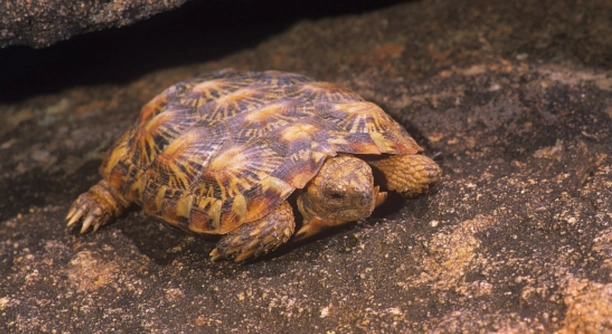
Pancake tortoises are fascinating creatures, and their egg incubation process is an essential part of their reproduction. Learning about how they hatch can offer a better understanding of their behavior and how to help protect them.
The incubation of pancake tortoise eggs is a delicate process. These tortoises need a warm, stable environment with the right humidity for successful hatching. The eggs are incubated for about 120 days, with the temperature playing a crucial role in gender determination.
With proper care, you can help ensure the healthy development of pancake tortoise eggs. Understanding key factors in incubation is vital to supporting their growth and survival. Keep reading to learn more about this fascinating process.
The Role of Temperature in Incubation
Temperature plays a huge role in the successful incubation of pancake tortoise eggs. The ideal temperature range is between 85-95°F (29-35°C), with consistency being key. Temperatures that are too low can delay hatching, while those that are too high can harm the eggs. Additionally, the temperature can also determine the sex of the hatchlings. Warmer temperatures typically result in more males, while cooler temperatures tend to produce more females. Keeping the temperature stable is essential for ensuring that the embryos develop properly and have the best chance of survival when they hatch.
Proper humidity levels also play a critical part. If the humidity is too low, the eggs may dry out and fail to hatch. On the other hand, if it’s too high, mold can form, which could also harm the eggs. Maintaining the right balance will give the eggs the best environment for development.
Monitoring temperature and humidity levels closely is vital to the success of the incubation process. Using a reliable thermometer and hygrometer will help maintain these optimal conditions.
The Impact of Egg Positioning
The way you position pancake tortoise eggs during incubation can influence their development. Eggs should be placed on a flat surface, avoiding direct contact with each other to prevent pressure that could cause deformation. Ensuring that eggs are not rotated during the incubation period will prevent disruption to the developing embryos.
Providing a stable, safe position for the eggs, where they can grow without disturbance, is crucial to successful hatching. The right care from the start ensures a smoother incubation process. A bit of attention to detail makes a big difference.
Incubation Substrate: Choosing the Right Medium
Choosing the right substrate for pancake tortoise egg incubation is essential for maintaining proper moisture and temperature. Materials like sand, coconut coir, or vermiculite are commonly used. It’s important that the substrate retains moisture but does not become too wet, as excess water can harm the eggs.
The substrate should also be loose enough to allow air circulation around the eggs. A well-aerated environment ensures proper gas exchange, which is crucial for the embryos’ development. Avoid overly dense substrates that could lead to poor oxygen flow. Proper ventilation holes should be in place to allow for this.
In addition to air circulation, the substrate must be stable enough to support the weight of the eggs without shifting. Gently press the substrate around the eggs to secure them in place but avoid compacting it too tightly. Finding the right balance ensures the eggs stay safe while developing.
Managing Light Exposure During Incubation
Controlling light exposure during the incubation process is important for mimicking natural conditions. While pancake tortoises are often kept in dark, quiet environments, some light exposure is necessary. Too much light can interfere with the eggs’ development, while too little can hinder proper growth.
It’s recommended to keep the incubator in a dimly lit area, mimicking the conditions they would experience in the wild. The natural daylight cycle helps maintain a stable environment. This also prevents disturbing the eggs with artificial lighting, which can alter the temperature and humidity levels. Managing light exposure ensures the environment stays as natural as possible.
Darkness and calmness during incubation help prevent the embryos from experiencing stress. Keeping the environment quiet, with minimal handling or disruptions, is also important for their well-being. By maintaining these factors, you can support the healthiest conditions for your pancake tortoise eggs to hatch successfully.
Monitoring Egg Progress
Regularly monitoring pancake tortoise eggs is key to tracking their progress and ensuring they are developing correctly. Checking the temperature and humidity frequently helps catch any fluctuations before they affect the eggs. Additionally, gently inspecting the eggs can help identify any potential issues.
Using a candling method is one way to check the development inside the eggs. By shining a light through the shell, you can observe changes as the embryos grow. This allows you to track their progress and ensure that nothing is impeding their growth. Regular monitoring gives you a better chance of successful hatching.
Handling Eggs Carefully
Handling pancake tortoise eggs should be done with great care. Avoid unnecessary movements or touching the eggs unless necessary. Handling them too much can cause stress, which may result in failure to hatch. Always be gentle and use clean hands when interacting with the eggs.
It’s best to only touch the eggs when transferring them or adjusting their positioning. Any other interactions should be avoided, as the eggs are delicate and prone to damage. Handle with caution to ensure you do not cause harm to the developing embryos.
Hatching Time and Conditions
The hatching period for pancake tortoise eggs typically lasts around 120 days. During this time, it is essential to maintain stable conditions. Any sudden changes in temperature or humidity could harm the embryos and delay hatching. Patience is key during this stage.
When the time comes, you may notice slight cracking or the egg shell becoming thinner. At this point, the hatchlings are preparing to break free. This is a delicate time, and it’s important to let the eggs hatch naturally without interference. Overhandling or rushing the process could lead to complications.
FAQ
How long does it take for pancake tortoise eggs to hatch?
Pancake tortoise eggs typically take about 120 days to hatch. However, the exact time can vary depending on the environmental conditions, such as temperature and humidity. Consistency in these factors is essential for the embryos to develop properly. If conditions are ideal, the eggs will hatch around this 120-day mark, though slight variations can occur.
What temperature is best for incubating pancake tortoise eggs?
The best temperature for incubating pancake tortoise eggs is between 85-95°F (29-35°C). Keeping the temperature stable within this range is important for proper embryo development. Temperatures that are too high or too low can cause the eggs to fail or delay hatching. Maintaining a consistent temperature is key to a successful incubation process.
Can pancake tortoise eggs be incubated at room temperature?
It’s not recommended to incubate pancake tortoise eggs at room temperature. Room temperatures are generally too cool and inconsistent for proper incubation. If the temperature falls below 85°F (29°C), it can lead to delayed hatching or failed development. It’s best to use a specialized incubator that can maintain the correct temperature and humidity levels.
How often should I check the eggs during incubation?
It’s important to check the eggs at least once a week to ensure that temperature and humidity levels remain consistent. You should also observe the eggs for any signs of mold, cracking, or other abnormalities. However, avoid handling the eggs too much as unnecessary touching could disrupt their development.
What is the ideal humidity level for pancake tortoise egg incubation?
The ideal humidity for pancake tortoise egg incubation is around 60-70%. Too little moisture can cause the eggs to dry out, while too much can lead to mold or other issues. A hygrometer is a useful tool to measure the humidity and ensure that it remains at the correct level. Maintaining the proper humidity ensures the embryos have the moisture they need to develop without risking any complications.
Do I need to turn the eggs during incubation?
Unlike some other species, pancake tortoise eggs do not need to be turned during incubation. In fact, turning the eggs too much can disturb the developing embryos. It’s important to leave the eggs in a stable position to allow for natural development. Once placed in the incubator, the eggs should be left undisturbed unless absolutely necessary.
What type of incubator is best for pancake tortoise eggs?
A good incubator for pancake tortoise eggs should allow for precise temperature and humidity control. Look for an incubator with adjustable settings and enough space to accommodate the eggs without crowding them. Some incubators come with built-in fans to ensure even airflow, which can help maintain stable conditions.
Can I use a heat mat instead of an incubator?
While a heat mat can provide warmth, it is not recommended as a sole method of incubation. Heat mats can create uneven temperatures and may not provide the necessary humidity levels. An incubator with both temperature and humidity control is the best choice to ensure proper conditions for egg development.
How can I tell if my pancake tortoise eggs are developing?
One way to check for development is to candle the eggs. This involves shining a bright light through the shell to observe changes inside. As the embryos grow, you should see the darkened area indicating the developing tortoises. Keep in mind that excessive candling can disturb the eggs, so only do this once or twice during the incubation period.
What should I do if I suspect my eggs are not developing properly?
If you suspect that your pancake tortoise eggs aren’t developing, check the environmental conditions first. Ensure that the temperature and humidity are within the ideal ranges. If everything seems correct, but the eggs show no development after a few weeks, it may be best to contact a reptile expert for advice. Sometimes, eggs may fail to develop due to issues that aren’t immediately apparent.
What happens if I accidentally disturb the eggs?
Disturbing the eggs by handling them too much can cause stress, which may affect their development. However, if you accidentally disturb them, don’t panic. Ensure that the eggs are placed back in the correct position and that the incubator settings are maintained. As long as the temperature and humidity remain stable, the eggs may still hatch successfully.
Should I remove the eggs from the incubator once they start cracking?
Once the eggs start to crack, it’s important to leave them undisturbed. The hatchlings are in the process of breaking through the shell on their own. Removing the eggs or interfering with this process can cause injury to the hatchlings. It’s best to let them hatch naturally, and once they’ve emerged, you can gently remove them from the incubator and begin caring for them.
Final Thoughts
Incubating pancake tortoise eggs is a delicate process that requires attention to detail and patience. Maintaining the right temperature and humidity is essential for successful egg development. With temperatures between 85-95°F (29-35°C) and humidity levels around 60-70%, you create the ideal environment for the eggs to develop properly. Monitoring these conditions regularly is important, as even small changes in the environment can impact the eggs’ chances of hatching.
While it’s essential to control environmental factors, handling the eggs with care is just as important. Overhandling or disturbing the eggs too much can interfere with their development, so it’s best to minimize contact. The eggs should also be kept in a stable position, as turning them is not necessary and can cause harm. Letting the eggs incubate undisturbed for the majority of the process helps ensure their best chance at hatching successfully.
When it’s time for the eggs to hatch, patience is key. The hatchlings may take their time breaking through the shell, and interfering with the process could cause harm. Once they start cracking, it’s important to leave them in the incubator until they’ve fully hatched. By carefully monitoring the incubation conditions and handling the eggs gently, you can increase the likelihood of a healthy hatch. The process may take time, but with attention and proper care, you can support the development of pancake tortoises into strong, healthy creatures.

Hello,
If you enjoy the content that we create, please consider saying a "Thank You!" by leaving a tip.
Every little bit helps us continue crafting quality advice that supports the health, happiness, and well-being of pets around the world, for pets of all shapes, sizes, and species.
We really appreciate the kindness and support that you show us!