
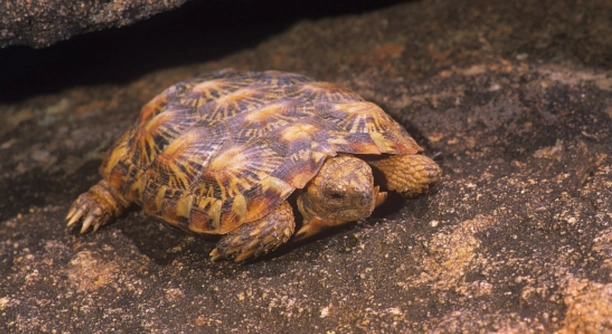
Many pancake tortoise owners look for simple ways to enhance their pet’s living environment. These small modifications can lead to noticeable improvements in their overall health and well-being. Providing a better enclosure is easier than you might think.
Enhancing a pancake tortoise’s enclosure involves focusing on its temperature, humidity, space, and enrichment. Creating a safe, comfortable, and stimulating environment will help reduce stress and promote natural behaviors. These small changes can significantly improve their health.
These straightforward modifications will make a positive impact on your tortoise’s daily life and long-term health.
Temperature Control: Essential for Health
The right temperature is crucial for a pancake tortoise’s well-being. They thrive in a warm environment, so maintaining a consistent temperature range within their enclosure is important. A basking spot should be around 95°F, while the cooler side can be between 75°F and 85°F. These temperature gradients allow your tortoise to regulate its body temperature naturally, preventing stress and health issues. Too high or too low temperatures can lead to a weakened immune system and a lack of appetite.
Ensure you use reliable thermometers to monitor these temperatures. Check that the heat source, whether a lamp or a ceramic heater, is placed correctly to avoid overheating certain areas of the enclosure. This balance is key to a healthy, comfortable environment for your tortoise.
A proper setup will allow your tortoise to get the warmth it needs during the day and a cooler area for rest at night. Adjustments may be necessary depending on the season or your home’s temperature fluctuations.
Humidity Levels: Critical to Success
Humidity plays an important role in your pancake tortoise’s health.
Providing humidity levels between 50-60% can help your tortoise shed its skin properly and stay hydrated. Too little humidity can lead to respiratory issues, while excessive moisture can cause fungal infections. Regularly misting the enclosure and offering a shallow water dish can help maintain the right balance. Use a hygrometer to monitor humidity and make adjustments as needed.
Space: Give Them Room to Move
Pancake tortoises need plenty of space to roam and explore. An enclosure that is too small can cause stress, leading to health problems and reduced activity. Aim for at least 40 gallons of space for one tortoise. A larger enclosure encourages natural behaviors like climbing and digging, which are essential for mental stimulation.
Consider using a long and wide enclosure rather than a tall one. Pancake tortoises are not high climbers, so horizontal space is more important. The more room you can provide, the more your tortoise will benefit, resulting in a healthier and happier pet.
Adding different textures, such as rocks or logs, encourages exploration. This can help prevent boredom and keep your tortoise active. Make sure the space is secure and free from sharp objects that could cause injury.
Substrate: Choose Carefully
The substrate is what lines the bottom of your tortoise’s enclosure.
Choose a material that is safe, absorbent, and easy to clean. Coconut husk, cypress mulch, or a mix of both can provide a comfortable surface for your tortoise. Avoid sand or gravel, as these can cause impaction if ingested. The right substrate will help maintain proper humidity and offer a surface for natural digging behaviors.
Make sure the substrate is deep enough to allow for digging, as this is a natural instinct for your tortoise. A good layer of substrate also provides a buffer against temperature changes and creates a more natural environment for your pet. Regular cleaning is essential to prevent bacteria buildup.
Lighting: Vital for Health
Proper lighting helps maintain your tortoise’s natural circadian rhythm. Use UVB lights to ensure they get the necessary exposure to vitamin D3, which supports calcium absorption and shell health. Without it, your tortoise may develop metabolic bone disease.
UVB bulbs should be replaced regularly, typically every 6 months, as their effectiveness decreases over time. Ensure the light is placed correctly to provide exposure to your tortoise without causing overheating.
This lighting should be on for 10-12 hours a day, with a consistent day/night cycle. It will support natural behaviors and help with digestion.
Water: Essential for Hydration
Provide fresh water daily for your pancake tortoise.
Although they don’t swim, your tortoise will drink from a shallow dish. Change the water regularly to keep it clean and free from contaminants. You can also offer occasional soaking to keep their skin hydrated. Ensure the dish is shallow enough for them to access without difficulty.
Enrichment: Keeping Them Stimulated
Offer enrichment to keep your tortoise active.
Different objects like rocks, logs, and plants encourage exploration and natural behaviors. A variety of textures allows your tortoise to interact with its environment, preventing boredom and stress. You can even hide food in different areas of the enclosure to encourage foraging.
How often should I clean my pancake tortoise’s enclosure?
Cleaning your tortoise’s enclosure should be done at least once a week. Remove uneaten food, soiled substrate, and any waste daily. This prevents bacteria buildup and ensures a healthy environment. You should also spot clean as needed, removing feces and leftover food. For a thorough cleaning, empty the entire enclosure, clean all surfaces, and replace the substrate every 4-6 weeks.
What temperature should the basking area be?
The basking spot should be around 95°F (35°C). This provides the heat needed for digestion and overall well-being. Ensure the heat source is not too close to avoid overheating. The temperature gradient across the enclosure should allow the tortoise to move between cooler and warmer areas, promoting natural thermoregulation.
How much space does a pancake tortoise need?
A single pancake tortoise should have a minimum of 40 gallons of space. More room is always better, as it encourages movement and natural behaviors. Larger enclosures provide room for climbing, digging, and exploring, which are essential for your tortoise’s health. Horizontal space is more important than vertical space.
Can I use sand in my tortoise’s enclosure?
No, sand is not recommended for your tortoise’s enclosure. It can cause impaction if ingested, leading to serious health issues. Instead, opt for substrates like coconut husk, cypress mulch, or a mixture of both, which are safe, absorbent, and easy to clean. These substrates also help maintain the right humidity levels.
Do I need to provide my tortoise with a water dish?
Yes, a shallow water dish should be provided for your pancake tortoise daily. Although they don’t swim, they will drink from the dish to stay hydrated. Be sure to change the water regularly to prevent it from becoming dirty. Occasionally, soaking your tortoise in warm water can also help with hydration and shedding.
How long should the lights be on for my pancake tortoise?
The UVB lights should be on for 10-12 hours a day, replicating the natural day/night cycle. This exposure is essential for their health as it helps them absorb vitamin D3, which is critical for calcium metabolism and shell growth. Make sure the lights are not too close to prevent overheating.
Can I house multiple pancake tortoises together?
Pancake tortoises are generally solitary creatures. Housing multiple tortoises together can lead to stress, territorial disputes, and potential injury. If you do house more than one, ensure there is plenty of space for each tortoise to establish its own territory. Monitor closely for any signs of aggression or stress.
What is the best way to provide enrichment for my tortoise?
Enrichment is important to keep your tortoise mentally stimulated. Add rocks, logs, and plants for climbing, hiding, and exploring. You can also hide their food to encourage foraging behaviors. These activities mimic their natural environment and keep them engaged, preventing boredom and stress.
How can I maintain proper humidity levels in the enclosure?
Humidity levels should be kept between 50-60%. To maintain this, you can mist the enclosure lightly a few times a week or place a shallow water dish inside. Be sure to monitor the humidity levels regularly with a hygrometer and adjust misting as needed. Avoid excess moisture, as it can lead to fungal growth.
What should I feed my pancake tortoise?
Pancake tortoises are herbivores, so their diet should consist primarily of leafy greens, such as dandelion greens, kale, and collard greens. You can also offer other vegetables like squash and carrots. It’s important to avoid feeding them high-oxalate foods like spinach, as they can cause kidney problems. Ensure they have access to calcium-rich foods to promote shell health.
How often should I feed my pancake tortoise?
Pancake tortoises can be fed daily, but their diet should consist of a variety of vegetables. Adult tortoises typically eat less frequently, with feeding every other day or 3-4 times a week being suitable. Be sure to adjust portion sizes based on your tortoise’s age, size, and activity level. Overfeeding can lead to obesity and other health issues.
Can I use artificial plants in my tortoise’s enclosure?
Yes, artificial plants can be used in the enclosure, but make sure they are safe and free from sharp edges. They provide hiding spots and climbing opportunities, mimicking natural plant growth. However, real plants are generally better as they offer additional nutritional benefits and natural scents that enhance the tortoise’s environment.
Taking care of a pancake tortoise requires attention to detail and commitment. By making the right modifications to their enclosure, you can ensure they have a healthy and enriched environment. Each small change you make, from adjusting the lighting to offering proper substrates, contributes to their well-being. Providing a well-balanced habitat promotes both physical health and mental stimulation, which is just as important for your tortoise’s overall development. Keeping them in a suitable enclosure is a simple yet effective way to support their long-term health.
Consistency is key when it comes to maintaining a proper enclosure. Regular cleaning, adjusting the temperature, and ensuring adequate hydration should become part of your routine. Regularly monitoring their environment helps you spot any issues early, preventing complications down the line. Understanding your tortoise’s behavior, including feeding patterns and activity levels, allows you to make necessary adjustments for their comfort. Regularly checking and updating their setup based on their needs will ensure they stay healthy and happy.
Pancake tortoises are unique creatures that benefit from a controlled environment where they feel safe and secure. With the right care, your tortoise can thrive in its enclosure for many years. By focusing on key factors such as lighting, space, and enrichment, you can create an environment that mimics their natural habitat. With thoughtful care and routine maintenance, you’ll provide your pancake tortoise with everything it needs to live a full, healthy life.

Hello,
If you enjoy the content that we create, please consider saying a "Thank You!" by leaving a tip.
Every little bit helps us continue crafting quality advice that supports the health, happiness, and well-being of pets around the world, for pets of all shapes, sizes, and species.
We really appreciate the kindness and support that you show us!