
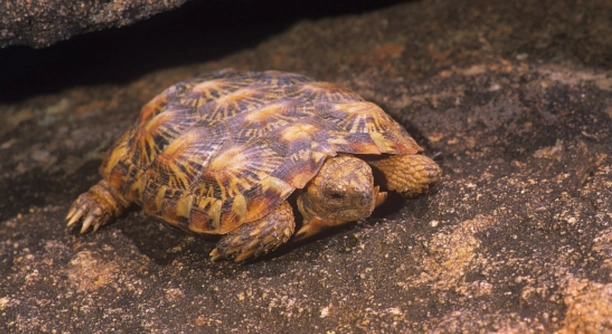
Pancake tortoises are known for their curious nature, and if yours seems intent on escaping, you’re not alone. Their behavior can stem from various causes, each playing a role in their desire to roam.
The primary reason your pancake tortoise may be trying to escape is a result of insufficient enclosure space, improper temperature, or lack of enrichment. These factors create stress and anxiety, prompting the tortoise to seek a way out of its environment.
Addressing these factors can improve your tortoise’s well-being and prevent further attempts to escape.
Insufficient Enclosure Space
A small or poorly designed enclosure is one of the most common reasons a pancake tortoise tries to escape. These tortoises need ample space to move around and explore. If the enclosure is cramped, it can make them feel confined, leading to stress. A larger habitat can help your tortoise feel more comfortable and reduce escape attempts. Ensure the enclosure has a safe, secure area where your tortoise can hide or retreat. A proper setup should include areas for basking, hiding, and swimming to mimic natural conditions. This can make a significant difference in your tortoise’s behavior.
A spacious, well-organized enclosure promotes your tortoise’s well-being and reduces stress.
Providing a secure and larger space with natural features is crucial. This helps replicate their natural environment, making them feel safer and less likely to escape. Enclosures should be designed with secure walls or barriers to prevent accidental escapes. Adding structures like rocks, branches, and caves can help create a more enriching environment. Additionally, allowing your tortoise to roam freely within a safe area can help prevent frustration. Providing an enriched environment will foster natural behaviors and alleviate any anxiety your tortoise may experience from confinement.
Temperature Issues
Temperature regulation is another factor affecting your tortoise’s behavior. Pancake tortoises thrive in a warm environment. If their habitat is too cold, they may become restless, searching for warmth. The ideal temperature range for pancake tortoises is between 80-85°F during the day, with a basking spot reaching up to 95°F. Cold temperatures can make them uncomfortable and lead to escape attempts as they seek warmth.
Maintaining the proper temperature is essential to prevent stress.
A basking spot is necessary for regulating body temperature. Without it, your tortoise may not feel secure, leading to a sense of discomfort. Ensure that your enclosure has a heat source that can maintain consistent warmth during the day and drop to a cooler temperature at night. A thermometer and heating pads or lamps are helpful tools for achieving this. By providing a proper temperature gradient, you support your tortoise’s natural behavior and reduce the chances of them attempting to escape in search of warmth.
Lack of Enrichment
Without proper enrichment, your pancake tortoise may become bored and attempt to escape. Tortoises are naturally curious creatures, and if their environment lacks stimulating features, they may look for new areas to explore. Providing a variety of textures and objects, like rocks, logs, and plants, can help prevent this.
Including hiding spots, climbing structures, and objects that encourage foraging is essential. These additions mimic natural behaviors, allowing your tortoise to engage and move around freely. An enriched environment can also prevent unhealthy stress levels. Regularly changing the layout of the habitat can offer fresh stimulation, encouraging your tortoise to remain engaged.
Keeping your tortoise entertained will also contribute to their overall health and well-being. You can even introduce objects that mimic food sources, like leaves or branches. As long as they’re safe, these items can encourage natural exploration behaviors. Introducing enrichment gradually will also give your tortoise time to adjust to new stimuli.
Unpredictable Diet
A poor or inconsistent diet can contribute to your tortoise’s stress, leading to attempts to escape. Pancake tortoises need a diet rich in calcium, fiber, and other essential nutrients. If their nutritional needs are not met, they may become lethargic or overly active, looking for better food sources.
Providing a variety of leafy greens, vegetables, and occasional fruits helps mimic their natural diet. It’s crucial to offer foods that are high in calcium to maintain their shell health. Avoid feeding them only one type of food, as this can lead to deficiencies. A balanced diet should be a staple in your tortoise’s care routine.
Your tortoise may also exhibit escape-seeking behavior if it is not receiving enough hydration. Always ensure access to clean water. Keeping their diet well-rounded prevents nutritional deficiencies that can cause them to feel unwell.
Overcrowded Habitat
An overcrowded habitat can create stress for your pancake tortoise, leading to escape attempts. If there are too many tortoises or other animals sharing the same space, your tortoise might feel threatened or cramped. Properly spacing out inhabitants ensures that everyone has room to move around freely.
Each tortoise needs space to explore and hide from potential threats. Overcrowding can lead to increased competition for resources, which may trigger escape behaviors. The ideal number of tortoises per enclosure depends on the size of the space, but giving them adequate room to avoid conflict is essential for a peaceful environment.
Inadequate Lighting
Lighting is crucial for the health of your tortoise. If the lighting in the enclosure is insufficient, your tortoise may not feel comfortable, leading to restlessness. A proper UVB light is necessary for your pancake tortoise’s metabolic processes, including calcium absorption. Without it, they may become disoriented or stressed.
Ensure the UVB light is placed at an appropriate distance from your tortoise, as too much or too little can have negative effects. This lighting should mimic natural sunlight to encourage normal behavior patterns. Regularly check the light’s effectiveness to maintain optimal health for your tortoise.
Environmental Instability
Environmental instability, such as fluctuating temperatures or humidity, can disrupt your tortoise’s behavior. Pancake tortoises need consistent conditions to thrive. If the habitat’s climate changes frequently, your tortoise may feel anxious and try to escape. Maintaining a stable environment helps keep your tortoise calm.
Stable temperatures, humidity levels, and lighting are vital for your tortoise’s comfort. Ensuring that your tortoise’s habitat remains consistent will prevent them from becoming stressed due to environmental factors.
FAQ
Why is my pancake tortoise constantly trying to escape?
There are several possible reasons why your pancake tortoise might be trying to escape. Common causes include an inadequate enclosure size, improper temperature, lack of enrichment, and poor diet. Each of these factors can lead to stress, making your tortoise look for ways to leave its habitat. Ensuring a spacious, secure environment with proper lighting, temperature, and enrichment can help reduce escape behaviors. Also, maintaining a balanced diet and a consistent routine will contribute to your tortoise’s well-being.
How can I make my pancake tortoise feel more comfortable in its enclosure?
To help your pancake tortoise feel more comfortable, provide a larger and more enriching environment. Add hiding spots, climbing structures, and natural objects like rocks and branches. Ensuring proper temperature, humidity, and UVB lighting is essential. Also, avoid overcrowding and provide enough space for your tortoise to roam freely. A comfortable habitat should mimic their natural environment as closely as possible, which will help your tortoise feel safer and reduce stress.
How much space does my pancake tortoise need?
A pancake tortoise needs at least 30 gallons of space per adult tortoise. However, larger enclosures are always better. The more room your tortoise has to roam, the less likely it is to feel stressed and attempt to escape. A well-designed enclosure should have enough space for hiding areas, basking spots, and areas for exploration. You can also create additional space vertically by adding shelves or platforms for climbing. The more enriched the environment, the better it will be for your tortoise’s overall health and happiness.
What should I do if my tortoise is not eating?
If your pancake tortoise isn’t eating, first ensure the enclosure’s temperature, humidity, and lighting are correct. If these conditions are right and the tortoise is still not eating, it could be due to stress, illness, or dietary imbalances. Check if the food offered is fresh, varied, and appropriate. Offer a mix of leafy greens, vegetables, and occasional fruits, ensuring a proper balance of calcium and fiber. If the issue persists, it’s best to consult a veterinarian to rule out any underlying health problems.
Can I let my pancake tortoise roam freely outside?
Allowing your pancake tortoise to roam outside is a great way to give it extra space, but only if it’s safe. Ensure the outdoor area is secure, free from predators, and has no areas where your tortoise can escape. The temperature and humidity levels should also be consistent with its natural habitat. If you choose to let your tortoise roam outside, supervise it at all times to prevent accidents. Additionally, ensure that the outdoor environment has proper hiding spots and a safe, shaded area for your tortoise to retreat to.
What is the ideal temperature for my pancake tortoise’s habitat?
The ideal temperature for a pancake tortoise’s habitat ranges between 80-85°F during the day. A basking spot should be provided with a temperature of 90-95°F. At night, the temperature should drop to around 70°F. It’s important to have a temperature gradient within the enclosure, so your tortoise can regulate its body temperature. This can be achieved with heating pads, lamps, or ceramic heat emitters. Monitoring the temperature with a reliable thermometer will ensure the habitat remains within the proper range to keep your tortoise healthy and stress-free.
How do I provide enrichment for my pancake tortoise?
Enrichment is crucial for your tortoise’s well-being. You can provide enrichment by adding various natural elements to the enclosure. Rocks, logs, branches, and climbing structures will encourage your tortoise to explore. Hiding spots, such as caves or tunnels, will give your tortoise a place to retreat. Varying the objects within the habitat will keep the environment interesting and prevent boredom. Offering food in different ways, such as placing it inside a puzzle feeder, will also provide mental stimulation. Regularly changing the layout of the habitat can help keep your tortoise engaged and reduce escape attempts.
How often should I clean my pancake tortoise’s enclosure?
Cleaning your pancake tortoise’s enclosure should be done regularly to maintain a healthy environment. Spot cleaning should be done daily, removing any waste, uneaten food, and debris. Full cleaning, including changing the substrate and disinfecting surfaces, should be done every 2-4 weeks. It’s important to ensure that the enclosure is kept dry, as excessive moisture can lead to bacterial growth or fungal infections. Use reptile-safe cleaning products to ensure your tortoise’s habitat remains safe and hygienic. Keeping the environment clean helps reduce stress and maintain a healthier living space.
Can pancake tortoises live with other animals?
Pancake tortoises are solitary creatures and should be housed alone or with other tortoises of the same species. Introducing other animals into their habitat can lead to stress, territorial disputes, or even injury. They are not typically social animals and prefer to live alone. If you do decide to house multiple tortoises, ensure the enclosure is large enough for them to establish their own territories. Overcrowding can lead to competition for resources, which can cause anxiety and escape attempts. Always prioritize the well-being of your tortoise when considering housing arrangements.
What are the signs of stress in a pancake tortoise?
Signs of stress in a pancake tortoise can include excessive roaming, attempting to escape, hiding more than usual, loss of appetite, or changes in behavior. If your tortoise is showing these signs, it’s important to assess its environment and diet. Stress can be caused by temperature fluctuations, lack of space, or poor diet. Ensure that the enclosure is spacious, enriched, and has the proper lighting and temperature. Reducing stress will help improve your tortoise’s overall health and reduce unwanted behaviors. If stress persists, it may be worth consulting a veterinarian.
Final Thoughts
Pancake tortoises can be fascinating pets, but they do require attention to their needs. Understanding why they attempt to escape is essential for creating an environment where they feel secure and comfortable. A proper enclosure with enough space, hiding spots, and climbing structures can help reduce their stress. Regularly monitoring the habitat conditions, including temperature, humidity, and lighting, is key to maintaining a healthy environment. These factors, when balanced correctly, can significantly reduce escape attempts and improve your tortoise’s well-being.
Diet is another critical aspect to consider. Offering a variety of appropriate foods, such as leafy greens and vegetables, ensures that your tortoise remains healthy. A balanced diet helps maintain its energy levels and keeps it from becoming lethargic or stressed. It’s also important to offer food in a way that encourages natural behaviors, such as foraging or slow eating. Providing a variety of textures and types of food can also offer mental stimulation and reduce boredom, which is a common cause of stress. A tortoise that is mentally and physically stimulated is less likely to look for a way out.
By paying attention to these details, you can ensure that your pancake tortoise is happy and healthy. Creating a comfortable and enriching environment for your pet reduces the likelihood of escape behaviors and makes it easier for you to manage their care. It’s also important to keep an eye on your tortoise’s health, checking for signs of stress or illness regularly. With the right care, your pancake tortoise can thrive in its environment, enjoying a peaceful and comfortable life.

Hello,
If you enjoy the content that we create, please consider saying a "Thank You!" by leaving a tip.
Every little bit helps us continue crafting quality advice that supports the health, happiness, and well-being of pets around the world, for pets of all shapes, sizes, and species.
We really appreciate the kindness and support that you show us!