
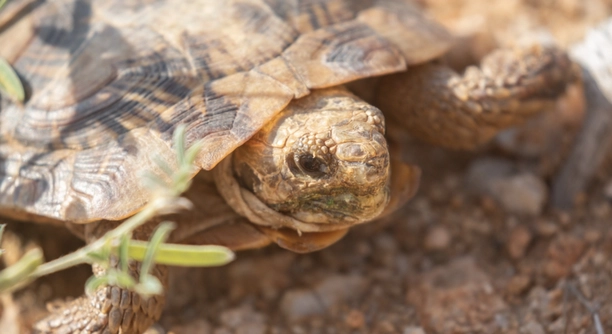
Pancake tortoises need calcium for strong shells and overall health. Providing the right sources of calcium is essential for their well-being. This article explores the best options and why they are so important for your pancake tortoise.
Calcium is vital for pancake tortoises as it promotes shell growth, strengthens bones, and supports proper bodily functions. Without enough calcium, they may suffer from metabolic bone disease, affecting their mobility and health.
In this article, we’ll uncover the best calcium sources to include in your pancake tortoise’s diet, ensuring they thrive.
1. Why Calcium Is Essential for Pancake Tortoises
Calcium is crucial for pancake tortoises as it supports the development of their shells and bones. Without enough calcium, they can develop weak shells, making them vulnerable to injury. Their bones may also weaken, causing mobility issues. This is why it’s important to ensure they receive an adequate amount of calcium in their diet. Calcium helps in regulating muscle contractions and nerve function, which is vital for their overall health. Tortoises that don’t get enough calcium can suffer from serious health problems, including metabolic bone disease. By providing the right sources of calcium, you can ensure your pancake tortoise stays strong and healthy throughout its life.
To maintain your tortoise’s well-being, it’s essential to incorporate calcium-rich foods into their diet.
Choosing the right calcium source is simple when you know the best options available. Many of these foods are easy to find and can be a great addition to your tortoise’s daily meals.
2. The Best Calcium Sources for Pancake Tortoises
The best sources of calcium for your pancake tortoise are leafy greens, calcium-rich fruits, and supplements. Dark leafy greens like collard greens, kale, and mustard greens are excellent for calcium intake. These vegetables provide essential nutrients and are a natural, easily digestible source of calcium. Another option is calcium-enriched fruits such as figs, papayas, and blackberries. These fruits not only provide calcium but also offer other essential vitamins and minerals that contribute to your tortoise’s overall health. Additionally, you can use calcium supplements like cuttlebone or calcium powder, which are often recommended to support your tortoise’s needs. Combining these sources into your tortoise’s diet ensures they get enough calcium for optimal health and shell development.
Leafy greens and fruits are often the easiest ways to provide calcium. Adding these to their diet alongside supplements will give them a balanced nutrient intake.
Offering a variety of calcium-rich foods will keep your pancake tortoise’s diet interesting while meeting its nutritional needs. Whether through fresh vegetables or supplements, there are plenty of options to ensure they receive the calcium they require.
3. How to Incorporate Calcium into Your Tortoise’s Diet
You can easily add calcium to your pancake tortoise’s diet by offering a variety of calcium-rich foods and supplements. Fresh greens like collard and dandelion leaves are some of the best options. You can also sprinkle calcium powder over their food or provide a cuttlebone.
Start by feeding them fresh leafy greens daily. You can also mix these greens with other vegetables or fruits that contain calcium. Offering a variety will keep your tortoise engaged and help them get the nutrition they need. If you’re using a calcium supplement, ensure it’s dusted lightly over their food to avoid over-supplementing. A balanced approach is key.
Adding calcium supplements should be done with care. Be sure to avoid excessive amounts, as too much calcium can lead to kidney problems. Regularly rotate different foods in their diet to prevent nutritional imbalances. A proper calcium intake ensures they stay strong and healthy.
4. How to Tell if Your Tortoise is Getting Enough Calcium
If your pancake tortoise isn’t getting enough calcium, you may notice some troubling signs. These include soft or deformed shells, lethargy, and difficulty moving. These symptoms could indicate that their bones and shells are not developing correctly.
Regularly monitor your tortoise’s health, paying close attention to their shell’s condition. You may also want to keep track of their mobility and overall energy levels. If you spot any of these signs, it’s important to reassess their diet and calcium intake. Consulting with a veterinarian can help confirm if calcium deficiency is the issue.
Additionally, frequent calcium deficiencies can lead to more severe health problems over time. This can affect your tortoise’s long-term health, causing permanent damage to their shell and bones.
5. Common Mistakes When Supplementing Calcium
Many owners make the mistake of over-supplementing calcium, which can harm your tortoise. Too much calcium can cause kidney problems, and the body may not process it properly. The right amount is key to keeping your tortoise healthy.
Another mistake is not balancing the calcium intake with other essential nutrients. Providing only calcium without enough vitamins or other minerals may cause imbalances. Make sure to include a variety of foods to meet their complete dietary needs. Supplementing with too much of one nutrient can lead to other deficiencies that impact your tortoise’s health.
6. The Role of UVB Light in Calcium Absorption
UVB light plays a crucial role in helping your pancake tortoise absorb calcium. Without adequate UVB exposure, their body struggles to process calcium, even if they are consuming enough. This is why providing UVB lighting is essential, especially for indoor tortoises.
UVB lighting mimics natural sunlight and helps your tortoise’s body produce vitamin D3, which is needed to absorb calcium efficiently. Ensure your tortoise has access to proper lighting for 10-12 hours a day. Without it, their calcium intake will be ineffective, leading to bone and shell issues.
FAQ
What are the best foods for providing calcium to pancake tortoises?
The best foods for providing calcium are dark leafy greens like collard greens, kale, and mustard greens. These greens are packed with calcium and other important vitamins. Additionally, fruits such as figs, blackberries, and papayas are also great calcium sources. Some tortoises also enjoy edible flowers like dandelions, which are full of nutrients. For a supplement, consider providing cuttlebone or calcium powder. Be sure to offer a variety of these foods to keep your tortoise’s diet balanced.
Can I just give my tortoise calcium supplements instead of food?
While supplements are useful, they shouldn’t replace whole foods. Calcium supplements like cuttlebone or calcium powder can help, but they should be used to complement a natural diet. A diet consisting only of supplements will miss out on other nutrients that are essential for your tortoise’s health, such as vitamins and fiber. Whole foods provide a better balance of nutrients, ensuring your tortoise thrives. Supplements should be added sparingly, just to fill in any gaps.
How much calcium should I give my pancake tortoise?
The exact amount of calcium depends on your tortoise’s age, size, and diet. Generally, adult tortoises need about 0.5-1 teaspoon of calcium powder 2-3 times a week. For juveniles or growing tortoises, they may require more frequent supplementation. The best way to determine the right amount is to consult with a vet, who can assess your tortoise’s needs based on its size, health, and activity level. It’s crucial to avoid over-supplementing, as this can cause issues like kidney damage.
Can I give my pancake tortoise too much calcium?
Yes, giving your tortoise too much calcium can lead to health problems. Over-supplementing calcium can result in kidney issues and other internal complications. It’s important to provide calcium in moderation and to balance it with other nutrients. Monitor your tortoise’s diet and adjust calcium levels if needed. Too much calcium can also interfere with the absorption of other essential minerals. Always aim for a balanced diet with just the right amount of calcium.
How do I know if my pancake tortoise is getting enough calcium?
Signs of calcium deficiency can include soft or deformed shells, weakness, and a lack of energy. If your tortoise is not moving around as much, or if you notice any changes in their shell, it may be a sign that they’re not getting enough calcium. Regular checkups with a vet and consistent monitoring of their diet can help prevent deficiencies. If you suspect calcium deficiency, consult your veterinarian for guidance and proper treatment.
Is it necessary to provide UVB light for my pancake tortoise?
Yes, UVB light is essential for your pancake tortoise’s calcium absorption. UVB rays allow your tortoise to produce vitamin D3, which is necessary for calcium absorption in the body. Without adequate UVB exposure, even if you provide enough calcium in the diet, your tortoise may still experience deficiencies. If your tortoise is kept indoors, UVB lighting is especially important. Ensure the light source is strong enough and placed within a proper distance to ensure effective calcium absorption.
How long should I expose my pancake tortoise to UVB light each day?
A pancake tortoise should be exposed to UVB light for 10-12 hours a day. This mimics the natural daylight cycle and supports vitamin D3 production. Be sure to use a quality UVB light designed for reptiles, and replace the bulb as recommended by the manufacturer, as UVB rays degrade over time. If your tortoise spends time outside, make sure they have some shaded areas to avoid overheating, but also enough direct sunlight for UVB exposure.
Can I use calcium from human supplements for my tortoise?
It’s best not to use calcium supplements designed for humans. The calcium in human supplements may not be formulated for reptiles and could have added ingredients that are not safe for tortoises. Stick to supplements specifically made for reptiles, as they will have the appropriate calcium content and avoid harmful additives. Always choose supplements that are free from phosphates and other unnecessary ingredients.
What are the risks of not providing enough calcium?
Not providing enough calcium can lead to serious health issues for your pancake tortoise. A lack of calcium can result in metabolic bone disease, soft or deformed shells, and weak bones. Without adequate calcium, your tortoise’s overall health will decline, leading to possible long-term complications. This can make your tortoise more susceptible to injury, illness, and even premature death. It’s important to ensure a steady intake of calcium to maintain healthy shell growth and bone structure.
Can I feed my pancake tortoise calcium-rich foods every day?
Yes, you can feed calcium-rich foods every day, but they should be part of a varied diet. It’s important to rotate the types of greens and fruits to prevent overfeeding of one specific nutrient. While calcium is essential, it should be balanced with other vitamins and minerals to prevent imbalances. If using supplements, remember to provide them on alternating days rather than daily. A balanced diet with a range of vegetables, fruits, and occasional calcium supplements is ideal for a healthy tortoise.
Ensuring your pancake tortoise gets enough calcium is key to their overall health. Calcium is necessary for strong shells, bones, and proper bodily functions. Without it, tortoises can develop serious health issues, including weak shells and metabolic bone disease. You can easily provide calcium through natural food sources, like leafy greens and calcium-rich fruits, along with the occasional supplement. However, it’s important to balance the calcium intake with other nutrients to maintain a healthy diet.
When supplementing with calcium, remember that too much can be harmful. It’s crucial to offer the right amount, as over-supplementing can lead to kidney problems or interfere with the absorption of other minerals. Finding the proper balance requires careful attention to your tortoise’s diet. If you’re unsure about how much calcium your tortoise needs, consulting with a vet can help. Regular checkups and careful monitoring of your tortoise’s health will allow you to make adjustments if needed.
Besides diet, providing proper UVB lighting is also essential for calcium absorption. Tortoises need UVB light to produce vitamin D3, which helps them absorb calcium efficiently. Without adequate UVB exposure, even a well-balanced diet won’t be enough to prevent calcium deficiencies. Keep your tortoise under UVB light for about 10-12 hours a day to support their calcium intake. With the right combination of food, supplements, and proper lighting, your pancake tortoise can stay healthy and strong.

Hello,
If you enjoy the content that we create, please consider saying a "Thank You!" by leaving a tip.
Every little bit helps us continue crafting quality advice that supports the health, happiness, and well-being of pets around the world, for pets of all shapes, sizes, and species.
We really appreciate the kindness and support that you show us!