
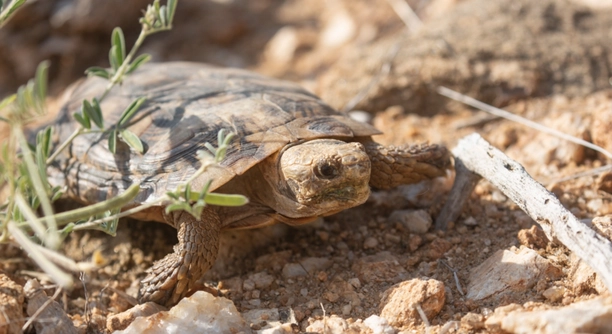
The growth rate of a pancake tortoise can be influenced by several factors. If you’re interested in understanding what contributes to their development, it’s important to look into these key elements.
The growth rate of a pancake tortoise is primarily affected by factors like diet, habitat conditions, health, genetics, and environmental temperature. A balanced diet, appropriate living conditions, and proper care are essential to ensure optimal growth.
By understanding these influences, you’ll be better equipped to support your pancake tortoise’s healthy development. Let’s take a closer look at these key elements to see how they can help boost your tortoise’s growth.
Diet and Nutrition
A pancake tortoise’s diet plays a significant role in its growth. These tortoises require a high-fiber diet with fresh grasses, leaves, and vegetables. Without proper nutrition, their growth may be stunted, and their shell development could be delayed. Supplements like calcium and vitamins can also support their skeletal health. Inadequate nutrition can lead to health issues that further hinder their growth rate. It’s essential to feed your pancake tortoise a varied diet to meet its nutritional needs. Avoid feeding them too much fruit or foods high in sugar, as this can lead to obesity and related health problems.
Providing your tortoise with a balanced diet ensures its growth is steady and healthy. When they eat a proper mix of foods, their energy is directed into growth and shell development.
Aside from the types of food, how often and how much you feed them matters as well. Overfeeding can result in obesity, while underfeeding can limit growth potential. Regular feeding schedules that suit their age and size will keep them on track for steady development.
Habitat Conditions
Your pancake tortoise’s habitat conditions are just as important as its diet. They need a suitable environment to thrive and grow. Proper humidity, temperature, and shelter should be maintained.
A warm environment with temperature ranging between 85°F and 95°F encourages activity and digestion, which supports healthy growth. Inadequate warmth can make them sluggish and affect their metabolism, causing them to grow more slowly. Ensuring your tortoise has a dry, clean space with access to hiding spots for security is equally important. They prefer areas that mimic their natural habitat, which helps reduce stress and promote healthy growth.
The correct setup in the enclosure should include a basking spot with heat lamps, areas of shade, and proper ventilation. It’s essential that the tortoise feels secure in its space, as stress can affect its appetite and overall health. When the habitat is right, your pancake tortoise can focus on growing properly without any added stressors.
Health and Veterinary Care
Health is a key factor in determining how well your pancake tortoise grows. Regular check-ups and monitoring for signs of illness are necessary. Parasites, infections, or injuries can all slow down growth if left untreated.
Routine veterinary visits are important, as they can help catch any potential issues early on. If your tortoise shows any unusual signs, such as a lack of appetite, lethargy, or shell deformities, it’s important to consult a vet. Proper care prevents long-term health problems that can hinder growth and development. A healthy tortoise will naturally grow faster and stronger when given the proper attention.
If you notice anything unusual in their behavior, it’s better to act early and avoid more serious complications. Keeping their living space clean and ensuring they receive proper care can make a big difference in maintaining their health.
Genetics
Genetics play a significant role in how quickly a pancake tortoise grows. Some tortoises are naturally predisposed to grow faster or have larger shells due to their genetic makeup.
Although diet and habitat are crucial, genetics set the baseline for a tortoise’s potential size and growth rate. Even with optimal conditions, some tortoises will grow slower or faster than others due to inherited traits. Understanding your tortoise’s genetic background can help manage expectations when it comes to growth.
It’s essential to recognize that growth rates may vary even within the same species. While some tortoises may reach maturity earlier, others may take longer. This variation is part of the natural process and shouldn’t be a cause for concern as long as proper care is given.
Temperature
Temperature directly impacts a pancake tortoise’s growth rate. The right warmth ensures their metabolism functions properly, promoting steady growth. If the temperature is too low, their digestion slows down, and they become less active.
Maintaining a temperature of 85°F to 95°F will help your tortoise stay active and healthy. During the night, ensure the temperature does not drop too low, as consistent warmth is necessary for proper growth.
Extreme temperature fluctuations can stress your tortoise and hinder its development. Providing a stable environment is crucial for your tortoise’s overall well-being and growth.
Hydration
Proper hydration is vital for growth. Pancake tortoises need fresh water at all times to stay healthy.
Inadequate water intake can slow down their digestion and lead to dehydration, which affects their growth rate. Make sure the water is clean and easily accessible for your tortoise to drink throughout the day.
Fresh water is as essential as food, as it helps keep their internal systems working properly. Hydrated tortoises will have more energy to grow and thrive.
FAQ
How fast do pancake tortoises grow?
Pancake tortoises typically grow slowly. On average, they can reach full size in 7 to 10 years. However, this can vary depending on factors like diet, health, genetics, and environmental conditions. Under ideal conditions, a pancake tortoise may grow faster in the first few years but slows down as it matures.
What can I do to speed up my tortoise’s growth?
To encourage faster growth, ensure your tortoise has a balanced diet, appropriate temperature, and proper hydration. Regular check-ups with a veterinarian are essential for preventing any health issues. Keeping the living space clean and offering a stress-free environment will also support their growth.
Can I feed my pancake tortoise fruit?
Yes, but fruit should only be an occasional treat. Pancake tortoises need a high-fiber diet consisting mostly of grasses, leafy greens, and some vegetables. Too much fruit can cause digestive issues or obesity. Keep fruit in moderation and focus on providing a balanced, natural diet.
What is the best temperature for a pancake tortoise’s enclosure?
The ideal temperature range for a pancake tortoise is between 85°F and 95°F during the day. At night, the temperature can drop to around 70°F to 75°F. This temperature range supports digestion, metabolism, and overall activity, helping the tortoise grow steadily.
Do pancake tortoises need UVB light?
Yes, UVB light is essential for the health of pancake tortoises. It helps them synthesize vitamin D3, which is crucial for calcium absorption and bone health. Without proper UVB exposure, your tortoise could develop metabolic bone disease, affecting its growth and overall well-being.
Can I house more than one pancake tortoise together?
It is generally not recommended to house multiple pancake tortoises together unless they are of similar size. Tortoises can become territorial and may fight over space or food. If you choose to house more than one, make sure each tortoise has enough room to roam and hide when needed.
How do I know if my pancake tortoise is healthy?
A healthy pancake tortoise will be active, have a clean and intact shell, and eat regularly. Its eyes should be clear, and it should show no signs of lethargy or stress. If you notice changes in behavior, such as loss of appetite or difficulty moving, consult a veterinarian.
Is it necessary to supplement my tortoise’s diet with vitamins?
If you are providing a varied diet with leafy greens, grasses, and vegetables, additional supplements may not be necessary. However, calcium and vitamin D3 supplements can be helpful, especially if your tortoise is not getting enough natural sunlight or UVB light. Always consult with a vet to ensure proper supplementation.
Can a pancake tortoise survive without a heat source?
No, pancake tortoises cannot survive without a heat source. Heat is essential for their digestion and overall health. Without adequate warmth, their metabolism slows down, and they become sluggish. Make sure their enclosure has a heat source, like a basking lamp, to maintain the appropriate temperature range.
Do pancake tortoises hibernate?
Pancake tortoises do not hibernate in the traditional sense, but they may enter a period of brumation. Brumation is similar to hibernation and occurs when the tortoise’s metabolism slows down in response to cooler temperatures. While not all pancake tortoises will brumate, it is important to provide proper care and ensure they have the right environment to avoid health complications.
How do I clean my pancake tortoise’s enclosure?
Cleaning the enclosure regularly is crucial for the tortoise’s health. Remove uneaten food, feces, and debris daily. Wash the water bowl with warm water and mild soap, then rinse it thoroughly. Every few weeks, give the entire enclosure a more thorough cleaning. Replace the substrate, disinfect the surfaces, and spot clean to ensure a clean and safe environment.
Final Thoughts
Taking care of a pancake tortoise involves paying attention to several important factors that directly affect their growth. While their growth rate may be slow, providing the right care can help ensure they grow steadily and develop healthy shells. By focusing on their diet, habitat, temperature, and hydration, you can create an environment that encourages optimal growth. Regular veterinary visits and monitoring their overall health are key to catching any potential issues early, ensuring they thrive.
It’s important to remember that genetics also play a role in how fast a pancake tortoise grows, meaning each tortoise will have its own growth pattern. While some may grow quicker than others, as long as their care is consistent and well-balanced, you can expect healthy development. Patience is necessary when raising pancake tortoises, as they are long-term companions that require steady attention over many years. Keeping them in a stress-free environment will allow them to focus on their growth without unnecessary setbacks.
Ultimately, understanding the factors that affect growth is an ongoing process. Whether it’s adjusting their diet, ensuring the right environmental conditions, or addressing health concerns, small steps can lead to big changes in how your pancake tortoise develops. By giving them the proper care, you can help them reach their full potential, knowing that their well-being is in good hands.

Hello,
If you enjoy the content that we create, please consider saying a "Thank You!" by leaving a tip.
Every little bit helps us continue crafting quality advice that supports the health, happiness, and well-being of pets around the world, for pets of all shapes, sizes, and species.
We really appreciate the kindness and support that you show us!