
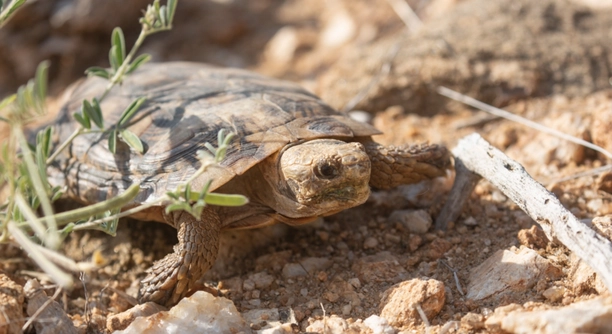
Pacing is a common behavior in pancake tortoises. If you’ve noticed your pet wandering constantly, you might be wondering why they’re always on the move. Understanding their needs can help you better care for them.
Pacing in pancake tortoises is often caused by stress, lack of space, or improper environmental conditions. These tortoises are naturally active and need appropriate stimuli like hiding spots, a warm environment, and a balanced diet to feel secure.
Knowing the reasons behind this behavior can improve your pet’s living conditions. We will explore the causes and solutions to ensure your pancake tortoise thrives in its home.
Stress and Anxiety in Pancake Tortoises
Pancake tortoises can be quite sensitive to their surroundings. Stress can come from many sources, including changes in their environment, loud noises, or even the presence of other animals. If your tortoise is pacing frequently, it might be reacting to a stressful situation. Tortoises, especially when kept in captivity, are sensitive to environmental factors. They thrive in stable, quiet spaces and can become anxious when their routine is disrupted or when they feel threatened. Pacing can be their way of coping with these feelings.
This behavior is often a sign that something is off in their habitat. Make sure they have a peaceful space where they feel safe and comfortable.
A major cause of stress for pancake tortoises can be inadequate lighting or temperature. They require specific conditions, including a warm basking spot and UVB light to keep them healthy. If the temperature is too cold or too hot, it could make them feel uneasy and cause pacing. Additionally, a lack of hiding spots or suitable shelter can make them feel exposed and insecure. Ensuring they have enough places to retreat to will help them feel more at ease.
Lack of Space for Movement
If your pancake tortoise doesn’t have enough space, it may start pacing in search of more room to move. These tortoises need ample space to roam, as they are naturally active creatures. A small enclosure can make them feel trapped, leading to constant pacing.
Consider upgrading their space or adding more layers to their enclosure to provide better movement opportunities.
An enclosure should allow your tortoise to walk freely and explore without being confined to a tiny area. In nature, they would cover much more ground, so keeping them in too small a space restricts their natural behavior. To remedy this, you can either increase the size of their habitat or add more elements, like rocks or branches, for climbing and exploring. A larger space also allows you to control the environment more easily, such as providing different temperature zones and hiding spots. This can help reduce pacing and allow your tortoise to live a more enriched and comfortable life.
Poor Diet
A poor diet is another factor that may contribute to pacing. If your pancake tortoise isn’t getting the right nutrition, it can affect their behavior. Lack of essential nutrients can lead to restlessness.
A balanced diet is crucial to your tortoise’s well-being. Pancake tortoises require a variety of leafy greens, vegetables, and occasional fruit. Providing them with proper calcium and fiber is important for their growth and overall health. Without proper nutrition, they might exhibit signs of stress or discomfort, which could lead to pacing. Feeding them the wrong foods or irregularly can upset their digestion and cause them to feel unsettled.
A consistent feeding routine can help reduce pacing. Offering food at the same time each day helps create a sense of security. Avoid overfeeding or underfeeding as it may result in discomfort. Monitor how your tortoise reacts to the food they receive. If they show signs of refusal or increased pacing after meals, consider adjusting their diet to ensure they’re getting what they need.
Temperature Fluctuations
Temperature plays a key role in the behavior of pancake tortoises. If their enclosure is too cold or too hot, they can become uncomfortable and begin pacing.
Maintaining the right temperature gradient is essential. Your tortoise needs a basking spot where the temperature is between 95°F and 100°F, with cooler areas around 75°F. If these temperatures fluctuate too much, your tortoise might pace in an attempt to find a comfortable spot.
Temperature changes could also be a sign of faulty equipment. Make sure your heat lamps are working properly and that the thermostat in the enclosure is accurate. If the environment is constantly changing, it may stress out your tortoise, causing it to pace. A stable, warm environment mimicking their natural habitat is necessary for their comfort and health.
Inadequate Hiding Spots
If your pancake tortoise doesn’t have a place to hide, it might feel exposed and pace constantly. A lack of privacy or shelter can make your tortoise anxious.
Adding hiding spots can help your tortoise feel more secure. Use rocks, logs, or plants to create small spaces where it can retreat when it needs to feel safe.
Overcrowded Enclosure
Overcrowding an enclosure can stress your tortoise. If there are too many items or other animals in the space, your tortoise may feel cramped and start pacing.
To avoid this, make sure there’s enough room for your tortoise to move freely. A spacious enclosure will make it feel more comfortable and reduce stress.
Lack of Mental Stimulation
Pancake tortoises are intelligent and need stimulation to keep their minds engaged. Without this, they can become bored and pace. Providing enrichment can solve this issue.
Offering objects like rocks to climb on, branches to explore, and varying food offerings will keep your tortoise mentally active. A boring environment can lead to pacing as they try to find something to do.
FAQ
Why is my pancake tortoise pacing in circles?
Pacing in circles is often a sign of stress or discomfort. It could be due to an unsuitable environment, such as improper temperature or humidity. It could also be caused by insufficient hiding spots, overcrowded enclosures, or lack of mental stimulation. Make sure your tortoise’s enclosure mimics its natural habitat, providing space, warmth, and places to hide. Stress can result in pacing as your tortoise tries to find a more comfortable area or simply responds to its surroundings.
How can I stop my pancake tortoise from pacing?
The first step is to assess their environment. Ensure that the temperature is correct, with a basking spot around 95°F to 100°F and a cooler area around 75°F. Ensure there is enough space to move around and add hiding spots for security. A proper diet and mental stimulation are also essential. Ensure that your tortoise has a varied diet and toys or objects to explore. Regular interaction and attention may also help alleviate anxiety and reduce pacing.
What is the ideal temperature for my pancake tortoise’s enclosure?
The ideal temperature for your pancake tortoise’s enclosure should have a basking spot of around 95°F to 100°F. The rest of the enclosure should be cooler, with a range between 75°F and 85°F. You can use a heat lamp to create the proper temperature gradient. These temperature zones allow your tortoise to regulate its body temperature, which is crucial for digestion and overall health. Make sure to monitor the temperature with a reliable thermometer to ensure stability.
Can overcrowding cause my pancake tortoise to pace?
Yes, overcrowding can lead to stress. Pancake tortoises are solitary animals, and when placed with other tortoises or objects, they may feel cramped and insecure. This can result in pacing as they try to find space. Ensure your tortoise has plenty of room to move around. The enclosure should be spacious enough for them to roam, hide, and explore. Keeping the enclosure clean and organized, with enough space for each element, will make them feel more comfortable and reduce pacing.
What kind of diet should my pancake tortoise have?
Pancake tortoises need a balanced diet of leafy greens, such as collard greens, dandelion greens, and mustard greens. Offer them occasional vegetables like squash and bell peppers, and small amounts of fruit such as strawberries and apples. Ensure their diet is high in fiber and low in protein. Also, providing a calcium supplement is crucial for their shell health. Overfeeding or feeding them incorrect foods can lead to digestive issues, which could cause discomfort and stress, leading to pacing. Regular, well-balanced meals help keep your tortoise healthy and content.
Do pancake tortoises need UVB light?
Yes, pancake tortoises need UVB light to stay healthy. UVB light helps them produce vitamin D3, which is essential for calcium absorption and bone health. Without it, they can suffer from metabolic bone disease. Make sure your tortoise has access to UVB light for around 10-12 hours a day, and replace the bulb every 6 to 12 months to maintain effectiveness. A basking spot with both heat and UVB light will keep your tortoise healthy and reduce pacing related to poor health or discomfort.
How often should I feed my pancake tortoise?
Pancake tortoises should be fed every other day. Overfeeding can cause digestive problems, while underfeeding may lead to malnutrition. Offering a variety of fresh greens and vegetables every other day ensures they get proper nutrients. Keep track of how much food your tortoise consumes, and adjust the portions to avoid overfeeding or underfeeding. Consistency is important; offering food at the same time each day will help your tortoise establish a routine. Make sure they always have access to fresh water as well.
Can my pancake tortoise become overweight?
Yes, pancake tortoises can become overweight if they are overfed, especially with high-calcium or high-protein foods. It’s essential to provide a balanced diet and avoid excessive treats. Overweight tortoises may experience health issues, such as joint problems or difficulty moving. Regularly monitor their weight and adjust their diet if necessary. You can help prevent obesity by feeding them appropriate portions and ensuring they get plenty of exercise in their enclosure.
Should I keep my pancake tortoise indoors or outdoors?
Pancake tortoises are primarily kept indoors in captivity to ensure their environment is stable. If you live in a region with a warm climate and can provide a secure outdoor enclosure, they may benefit from some outdoor time. However, outdoor enclosures must be escape-proof and protected from predators. Indoor enclosures are easier to control in terms of temperature, humidity, and lighting. Make sure the outdoor setup is safe and closely monitored. Indoors, you can better manage their environment for consistent care.
What should I do if my pancake tortoise stops eating?
If your pancake tortoise stops eating, it could be a sign of stress, illness, or environmental issues. First, check their habitat to make sure the temperature, humidity, and lighting are correct. If everything is in order, monitor for any signs of illness, such as lethargy or changes in behavior. It’s also possible that a change in diet or feeding schedule could cause a temporary loss of appetite. If the lack of eating continues for more than a few days, consult a veterinarian to rule out any health issues.
When it comes to your pancake tortoise pacing its enclosure, it’s important to understand that this behavior is often a sign of discomfort. Whether it’s stress, lack of space, or environmental factors, the pacing can be addressed by making adjustments to their habitat. Ensuring your tortoise feels secure, comfortable, and healthy is key. Proper lighting, temperature, space, and a balanced diet can all contribute to a more relaxed and content tortoise. Taking the time to assess their needs and make necessary changes can reduce their anxiety and help them feel at ease in their environment.
Pacing is common among pancake tortoises, but it should never be ignored. Stress and discomfort are often underlying causes of this behavior, and creating a more suitable living space for your tortoise is the best way to address it. Regularly check that the enclosure provides a safe and secure environment. Make sure the temperature is ideal, there are enough hiding spots, and the enclosure is large enough for the tortoise to explore freely. A healthy diet is another crucial factor in preventing discomfort. Providing the right nutrition will keep your tortoise’s health in check and reduce unnecessary stress.
In conclusion, understanding the reasons behind your pancake tortoise’s pacing will help you provide the care it needs to feel safe and happy. Small changes, such as improving their environment, adjusting their diet, or adding more space, can make a significant difference. Don’t hesitate to monitor their behavior closely and make adjustments accordingly. With proper care, your pancake tortoise will be less likely to pace and more likely to thrive in its habitat. By paying attention to these details, you’ll ensure your tortoise has a comfortable and peaceful life.

Hello,
If you enjoy the content that we create, please consider saying a "Thank You!" by leaving a tip.
Every little bit helps us continue crafting quality advice that supports the health, happiness, and well-being of pets around the world, for pets of all shapes, sizes, and species.
We really appreciate the kindness and support that you show us!