
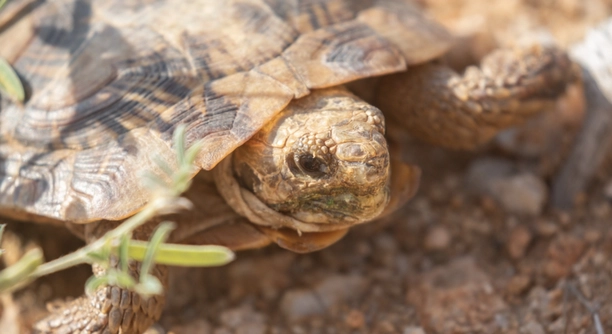
Pancake tortoises are fascinating creatures, but many myths surround their care and behavior. Some owners unknowingly follow these misconceptions, which can affect their pets’ well-being. It’s time to clear up these common misunderstandings.
There are several myths about pancake tortoises that many owners still believe. These myths range from misconceptions about their diet to their specific habitat needs. Understanding the truth behind these myths is essential for providing proper care and ensuring the health of your tortoise.
Learning the facts will help ensure your pancake tortoise thrives. Avoiding common mistakes can make a significant difference in their overall health and happiness.
Myth 1: Pancake Tortoises Can Live in Any Enclosure
Many people think pancake tortoises can live in any simple enclosure, but this is far from true. These tortoises need specific environments to thrive. Their natural habitat is rocky and dry, requiring enough space to roam and climb. A small tank or plastic container is not suitable for their long-term well-being.
The right enclosure should be large enough for the tortoise to explore and feel secure. It needs hiding spots and natural textures to climb, such as rocks or logs, to mimic their native environment. Keeping the enclosure clean and free of moisture is essential as they are not fond of humid conditions. Proper lighting and temperature control are also critical for their health, ensuring they remain active and healthy.
If you fail to create a proper environment, your tortoise may experience stress or health problems. Making sure their habitat mirrors their natural surroundings helps them feel safe and encourages proper behavior.
Myth 2: Pancake Tortoises Are Low Maintenance Pets
A common myth is that pancake tortoises are easy to care for and require little attention. While they may not need constant interaction, they do need regular care and attention to their environment. These tortoises have specific needs for diet, habitat, and health that should not be overlooked.
Feeding them a balanced diet of leafy greens, flowers, and occasional fruits is essential. Additionally, they need a UVB light source to properly digest their food and absorb calcium. Without this, they can develop serious health issues. Regular check-ups and ensuring their enclosure conditions are right will help maintain their overall health.
Many owners find that a lack of attention can lead to health issues. Maintaining proper care helps keep your tortoise happy and healthy over the long term.
Myth 3: Pancake Tortoises Only Eat Lettuce
Lettuce is often seen as a go-to food for pancake tortoises, but this is far from the truth. While they might nibble on lettuce occasionally, it doesn’t provide all the necessary nutrients. These tortoises need a varied diet to stay healthy.
A proper diet for pancake tortoises includes dark leafy greens such as kale, collard greens, and dandelion leaves. They can also enjoy occasional fruits like papaya or berries. It’s important to avoid overfeeding them with high-oxalate foods like spinach or kale. A balanced diet rich in fiber and low in fat helps keep them strong and active. In addition, you should dust their food with calcium powder to ensure they receive enough of this essential nutrient for shell development.
To ensure your tortoise is getting the right amount of nutrition, avoid relying too heavily on one type of food. Regularly offering a variety of greens and supplements will help maintain their health.
Myth 4: Pancake Tortoises Can Survive on Just a Heat Lamp
Many believe that a heat lamp is enough to meet the temperature needs of a pancake tortoise. However, this isn’t the case. While a heat lamp provides warmth, it does not offer the necessary UVB rays that pancake tortoises need for calcium absorption and overall well-being.
In the wild, pancake tortoises bask in the sun, absorbing essential UVB rays. This helps them metabolize calcium, which is crucial for bone and shell health. Without UVB light, they can develop metabolic bone disease, a condition that weakens the bones and makes their shells soft. Using a UVB bulb specifically designed for reptiles will mimic natural sunlight and help your tortoise stay healthy.
A heat lamp is still essential to maintain the right temperature gradient in the enclosure, but it should be used in combination with a UVB light. Proper heating, UVB exposure, and a safe basking area will allow your pancake tortoise to live a long, healthy life.
Myth 5: Pancake Tortoises Don’t Need Regular Vet Visits
Some owners believe that pancake tortoises don’t require veterinary check-ups, assuming they are low-maintenance pets. However, like any pet, they need regular check-ups to ensure they are healthy and thriving. Vet visits help catch potential health problems early.
A veterinary professional can help monitor your tortoise’s weight, shell condition, and overall health. They will also be able to check for parasites and ensure their diet is appropriate. Regular visits are particularly important as they age to prevent the development of metabolic bone disease or other common issues that arise in reptiles.
Myth 6: Pancake Tortoises Are Fine Without Any Interaction
While pancake tortoises are not as social as some pets, they still need interaction and mental stimulation. Many owners assume they are entirely independent and don’t need much attention. However, providing enrichment can improve their well-being.
Pancake tortoises benefit from regular interaction, whether it’s observing them in their enclosure or providing new objects for them to explore. This can help reduce stress and keep them physically active. Simple changes like rearranging their environment or offering new climbing opportunities can keep them mentally engaged and prevent boredom.
Myth 7: Pancake Tortoises Only Live in Dry Climates
Although pancake tortoises are native to dry areas, they still need some humidity to stay healthy. Owners often believe these tortoises thrive in desert-like conditions, but excessive dryness can be harmful.
It’s crucial to maintain the right humidity levels in their enclosure. Too much dryness can lead to dehydration and respiratory problems. Aim for a humidity level of around 40-60% to ensure they stay hydrated without risking their health. Mist their enclosure lightly to help maintain proper moisture levels.
FAQ
How often should I feed my pancake tortoise?
Pancake tortoises should be fed every other day to maintain a healthy diet. Overfeeding can lead to obesity, while underfeeding can cause malnutrition. Provide them with a variety of greens like collard greens, dandelion leaves, and kale. You can also offer occasional fruits such as papaya or berries, but they should only make up a small part of their diet. Always ensure that their food is fresh and free of pesticides. A balanced feeding schedule helps ensure your tortoise’s growth and overall health.
What size enclosure does a pancake tortoise need?
Pancake tortoises need a large enclosure to feel secure and explore their environment. A minimum size of 40 gallons is recommended for one tortoise, but larger enclosures are always better. The space should allow them to climb and hide, with plenty of rocks and logs to mimic their natural habitat. Make sure the enclosure has a secure lid to prevent escapes. Also, be sure to provide different temperature zones, so your tortoise can move between areas to regulate its body temperature.
Can pancake tortoises live with other pets?
Pancake tortoises are best kept alone, as they can be territorial, especially in smaller enclosures. Introducing other pets, particularly other tortoises, can cause stress and aggression. If you choose to house them with another animal, make sure there is enough space to prevent territorial disputes. Always supervise interactions between animals to ensure they get along and don’t cause harm to each other.
How do I know if my pancake tortoise is sick?
Signs of illness in pancake tortoises can be subtle. Look for any changes in behavior, such as lethargy, loss of appetite, or abnormal breathing. Shell abnormalities, such as soft spots, cracks, or discoloration, may indicate underlying health issues. If your tortoise starts spending too much time in one spot or isn’t moving around, it could be a sign of stress or a health problem. If you notice any of these symptoms, it’s important to consult a veterinarian who specializes in reptiles.
What temperature should my pancake tortoise’s enclosure be?
Pancake tortoises thrive in a temperature range of 85-95°F (29-35°C) during the day. You should provide a heat source like a basking lamp to create a warm spot where they can raise their body temperature. At night, the temperature can drop to around 70°F (21°C). Use a thermometer to monitor the temperature in different areas of the enclosure, and make sure there is a gradient between hot and cool areas.
Can pancake tortoises swim?
While pancake tortoises may enter shallow water to drink or soak, they are not strong swimmers. Their shells are not designed for buoyancy, and they can easily become overwhelmed in deeper water. If you want to offer your tortoise a water dish, make sure it is shallow enough for them to climb in and out without risk. Always supervise them when around water to ensure they don’t get into a situation where they could drown.
How long do pancake tortoises live?
Pancake tortoises can live for 30 to 50 years in captivity if cared for properly. Providing them with the correct diet, environment, and healthcare will help ensure they live a long, healthy life. As they age, you may notice changes in their behavior or activity levels, but regular vet check-ups will help monitor their health. Keeping their enclosure clean and making sure their temperature and humidity levels are consistent will support their longevity.
Do pancake tortoises need a basking light?
Yes, pancake tortoises need a basking light to provide both warmth and UVB light, which is essential for their health. UVB light helps them synthesize vitamin D3, which is needed to absorb calcium and prevent metabolic bone disease. Make sure the basking light is placed above a designated area where your tortoise can warm up. This will also help them stay active and metabolize their food properly.
Can I feed my pancake tortoise fruit regularly?
Fruit should be given to your pancake tortoise in moderation. While fruits like papaya, berries, and mango can be offered as a treat, they are high in sugar and should not make up a significant part of their diet. Too much fruit can cause digestive issues and lead to an imbalance in nutrients. Stick to dark leafy greens as the main component of their meals, with fruits offered as occasional supplements to enhance variety and nutrition.
How do I care for my pancake tortoise’s shell?
The condition of your pancake tortoise’s shell is important for its health. Ensure that your tortoise has access to proper UVB lighting to help with calcium absorption, which promotes shell growth and strength. Be cautious of any damage to the shell, as cracks or soft spots can lead to infections. Regularly check the shell for any abnormalities, and if you notice anything unusual, consult with a veterinarian. Providing a proper diet and a clean, dry habitat will help maintain the shell’s integrity.
Final Thoughts
Caring for a pancake tortoise requires attention to their specific needs, but it can be a rewarding experience. These reptiles are not as demanding as some other pets, but they still require proper care to ensure their well-being. Understanding their natural habitat, dietary requirements, and health needs is key to keeping them happy and healthy. With the right environment, diet, and care, pancake tortoises can thrive in captivity and live long, healthy lives.
One of the most important aspects of caring for pancake tortoises is providing them with an appropriate enclosure. Their habitat should be spacious enough for them to move around, explore, and climb. Ensuring the correct temperature and humidity levels is crucial for their comfort and overall health. Offering a variety of greens and occasional fruits for their diet will keep them well-fed and hydrated. Regular vet check-ups are also essential to catch any health issues early, so your tortoise remains in good condition.
Finally, it’s important to remember that pancake tortoises are not overly social animals. While they do benefit from interaction, they are perfectly content being observed or having their environment altered for stimulation. By keeping their habitat clean, maintaining proper temperatures, and offering a balanced diet, you can provide them with a fulfilling life. Being attentive to their needs and knowing the common myths to avoid will help you become a responsible and informed owner.

Hello,
If you enjoy the content that we create, please consider saying a "Thank You!" by leaving a tip.
Every little bit helps us continue crafting quality advice that supports the health, happiness, and well-being of pets around the world, for pets of all shapes, sizes, and species.
We really appreciate the kindness and support that you show us!