
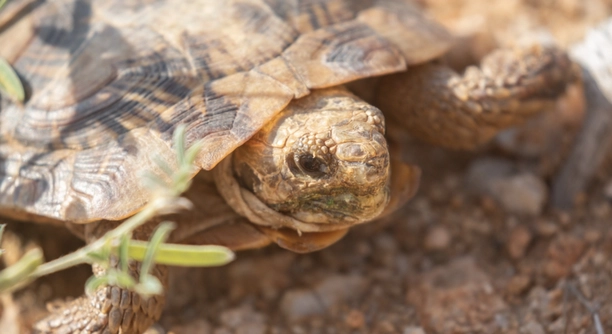
Pancake tortoises are unique creatures, known for their flat, round shells and interesting behaviors. However, like all animals, they can experience health problems. Understanding why they might get sick can help ensure their well-being and longevity.
Pancake tortoises often get sick due to a variety of factors, including improper diet, inadequate habitat conditions, parasites, and stress. Poor water quality, insufficient UV light, and inadequate temperature control are common causes of health issues in these reptiles.
Taking care of these factors will help prevent illness and improve the quality of life for your pancake tortoise. Understanding their needs and addressing potential risks is essential for keeping them healthy.
Improper Diet and Malnutrition
A poor diet is one of the leading causes of sickness in pancake tortoises. These reptiles require a balanced diet consisting of leafy greens, vegetables, and fruits, along with occasional protein. Feeding them an improper diet can lead to malnutrition, which weakens their immune system and makes them more susceptible to illness. Pancake tortoises rely on calcium for strong shells, so a lack of this essential nutrient can result in shell deformities and brittle bones.
When feeding your pancake tortoise, be mindful of the nutrients they need. Offer a variety of fresh vegetables like dandelion greens, collard greens, and mustard greens. These are packed with calcium and other vital vitamins. Avoid feeding them too many sugary fruits, as these can lead to digestive problems and other health issues. Consistency in their diet will help maintain their overall health.
By providing a proper and balanced diet, you’re ensuring your tortoise has the nutrients it needs to stay healthy. Consider consulting with a vet to make sure you’re meeting their nutritional requirements.
Inadequate Habitat Conditions
Habitat conditions play a significant role in a pancake tortoise’s health. Temperature, humidity, and lighting need to be just right to mimic their natural environment.
Pancake tortoises thrive in warm environments with temperatures between 80-90°F. If the habitat is too cold, it can lead to stress, which weakens their immune system. UVB lighting is crucial for their health because it helps them metabolize calcium and prevent metabolic bone disease. Without proper lighting, they can develop severe health problems.
To create an ideal habitat, maintain a stable temperature range and ensure they have access to a UVB light source. Regularly monitor humidity levels as well to prevent respiratory problems. A proper enclosure with hiding spots and ample space is also necessary to keep your tortoise stress-free.
Stress and Anxiety
Stress can severely impact a pancake tortoise’s health. Factors like sudden changes in their environment, loud noises, or being handled too much can cause unnecessary stress. Stress weakens their immune system, leaving them vulnerable to illness.
Stress can also interfere with their feeding and overall behavior. A stressed tortoise may stop eating, which can lead to malnutrition and dehydration. It’s crucial to keep their habitat as calm as possible and avoid handling them frequently. If there are loud or disruptive sounds in the area, it can cause anxiety and affect their health.
Create a stable, quiet environment for your pancake tortoise, where they can feel safe and secure. A stress-free environment will allow them to thrive and keep illness at bay.
Parasites
Parasites are a common concern for pancake tortoises. They can affect the digestive system and overall health. External parasites, like ticks, can cause discomfort and infections, while internal parasites, such as worms, can lead to severe health issues.
Internal parasites can cause symptoms like diarrhea, lethargy, and weight loss. If untreated, these parasites can damage their organs and lead to more serious complications. Regular veterinary check-ups can help identify and treat parasites early, preventing further health issues. Using safe, tortoise-friendly products to keep their environment clean is essential in preventing parasite infestations.
Taking care of your tortoise’s habitat cleanliness and checking for signs of parasites regularly will help avoid this issue and keep your tortoise healthy.
Poor Water Quality
Water quality plays an important role in your pancake tortoise’s health. Contaminated water can lead to infections or digestive issues. Make sure to change the water regularly and clean their water dish to prevent bacteria buildup.
Providing clean, fresh water is essential for hydration. Pancake tortoises should always have access to water, especially in dry climates. Stale or dirty water can cause gastrointestinal problems or stress, making your tortoise more susceptible to illness. A clean water source is a basic yet crucial part of their well-being.
Improper Temperature
Pancake tortoises are cold-blooded, meaning they rely on their environment to regulate their body temperature. When the temperature is too low, their metabolism slows down, and they become more susceptible to illness. Maintaining a stable temperature is crucial.
Provide a warm basking spot that is between 90-95°F. The cool side of their enclosure should remain around 75°F to give them a place to cool down if needed. Temperature fluctuations can cause stress and affect digestion, so regular monitoring is key to maintaining a healthy environment.
Overcrowding
Overcrowding can lead to stress and competition for food and space. If there are too many tortoises in the same enclosure, they may fight or become overly stressed, which can weaken their immune systems.
Make sure each tortoise has enough space to roam and establish a safe territory. Overcrowded conditions can cause anxiety, prevent proper eating, and increase the risk of disease transmission. A larger space allows them to thrive without the pressure of constant competition.
FAQ
What should I feed my pancake tortoise?
A pancake tortoise’s diet should primarily consist of leafy greens such as dandelion greens, collard greens, and mustard greens. These greens provide essential nutrients, especially calcium, which is necessary for shell development. Occasionally, you can offer them fruits like strawberries or melon in small amounts. Avoid feeding them too many sugary fruits, as they can lead to digestive issues. Adding protein in the form of insects or worms can also be part of their diet but should not be overdone. Always provide fresh, clean food daily and ensure their diet is well-balanced.
How can I keep my pancake tortoise’s habitat clean?
To maintain a clean habitat for your pancake tortoise, spot clean their enclosure daily by removing any uneaten food, waste, and debris. A full cleaning of the enclosure should be done weekly, which includes changing the substrate, washing the water dish, and cleaning any accessories. Use a reptile-safe disinfectant to wipe down surfaces. Ensure the substrate is dry to prevent mold growth and bacterial buildup. Additionally, regular water changes are essential to prevent contamination and keep your tortoise hydrated.
What temperature is ideal for a pancake tortoise?
Pancake tortoises thrive in temperatures between 80-90°F during the day. A basking area should reach 90-95°F to mimic natural sun exposure. At night, the temperature can drop slightly, but it should not go below 70°F. Temperature control is essential for their digestion and overall health. Too low of a temperature can lead to slow metabolism, while too high can cause dehydration and stress. Use a thermometer to monitor the temperature and provide a heat source like a basking lamp to maintain warmth during the day.
Can I keep multiple pancake tortoises together?
While it is possible to keep multiple pancake tortoises in the same enclosure, it’s important to provide enough space for each one. Overcrowding can lead to stress and competition for food, which can cause health problems. Ensure that each tortoise has its own space to move around without interference. If you notice any signs of aggression or stress, it may be best to house them separately. Additionally, keeping them in a larger enclosure with plenty of hiding spots will help reduce territorial behavior and allow each tortoise to feel secure.
Do pancake tortoises need UVB light?
Yes, pancake tortoises require UVB lighting to help them metabolize calcium and prevent metabolic bone disease. UVB light is essential for the production of vitamin D3, which helps them absorb calcium from their food. Without proper UVB exposure, they can develop soft shells and weak bones. Ensure that the UVB light is on for 10-12 hours a day to mimic natural sunlight. Make sure to use a high-quality UVB bulb and replace it regularly, as the UVB rays can weaken over time even if the light still works.
How often should I feed my pancake tortoise?
Pancake tortoises should be fed daily, especially if they are young. Adult tortoises can be fed every other day, but it’s essential to monitor their weight and health to adjust their feeding schedule as necessary. Make sure the food provided is fresh and free of pesticides. If you’re unsure about the amount to feed, a good rule of thumb is to offer an amount that is about the size of their shell. This will help prevent overfeeding, which can lead to obesity or other health issues.
Can I use a heat rock for my pancake tortoise?
Heat rocks are not recommended for pancake tortoises. While they may provide heat, they can cause burns if your tortoise rests on them for too long. Tortoises rely on gradient heating, meaning they need both a warm basking area and a cooler area to regulate their body temperature. Instead of a heat rock, use a basking lamp to create a warm spot in their enclosure, ensuring that they can move away to a cooler area when they need to.
How do I know if my pancake tortoise is sick?
Signs that your pancake tortoise may be sick include loss of appetite, lethargy, abnormal behavior, or changes in their shell. If they stop eating or drinking, it could indicate a digestive issue, dehydration, or stress. Respiratory problems, such as wheezing or mucus around the nose, may signal a respiratory infection. If their shell becomes soft or deformed, it could be a sign of calcium deficiency or metabolic bone disease. Always consult a veterinarian if you notice any of these symptoms to prevent serious complications.
How can I prevent parasites in my pancake tortoise?
Parasite prevention begins with maintaining a clean and hygienic environment. Regularly clean their enclosure, water dish, and food bowls to reduce the risk of parasites. Keep the substrate dry and remove any waste promptly to prevent bacteria or parasite buildup. If you suspect that your tortoise may have internal parasites, consult with a veterinarian for a fecal exam. Using a reptile-safe parasite treatment can help address any issues before they become a serious concern. Additionally, avoid wild-caught food items that may carry parasites.
How long do pancake tortoises live?
Pancake tortoises can live for many years, often reaching 30 years or more in captivity. Their lifespan depends on factors such as diet, habitat, and overall care. A well-maintained environment with proper diet, temperature, and lighting can help your tortoise live a long, healthy life. It’s essential to provide ongoing care and check-ups to ensure that any potential health issues are addressed promptly. By creating a safe and comfortable environment, you can enjoy the company of your pancake tortoise for many years.
Final Thoughts
Caring for a pancake tortoise requires attention to detail, but it can be highly rewarding. Their unique appearance and gentle nature make them a fascinating addition to any reptile enthusiast’s collection. However, understanding their specific needs is crucial to maintaining their health and happiness. From their dietary requirements to proper habitat care, ensuring the right environment is key to their well-being. Proper temperature, clean water, and a balanced diet are all essential to prevent health issues.
Regular monitoring of their health, habitat, and behavior is also important. Pancake tortoises can live for decades, so long-term commitment to their care is essential. Early detection of potential health issues, such as shell deformities or respiratory infections, can make a significant difference. Creating a suitable habitat that mimics their natural environment as closely as possible will help them thrive. Be mindful of overcrowding, temperature fluctuations, and cleanliness, as these factors play a big role in keeping them healthy. Consistency in their care routine ensures a happy, long life.
Lastly, as with all pet ownership, educating yourself about the species and staying up-to-date on best practices can improve the experience for both you and your tortoise. While pancake tortoises may not be as common as other pets, they are no less deserving of quality care. If you’re willing to put in the time and effort, they can become a wonderful companion for many years to come. With the right setup, a balanced diet, and regular health checks, your pancake tortoise will have the chance to live a long and fulfilling life.

Hello,
If you enjoy the content that we create, please consider saying a "Thank You!" by leaving a tip.
Every little bit helps us continue crafting quality advice that supports the health, happiness, and well-being of pets around the world, for pets of all shapes, sizes, and species.
We really appreciate the kindness and support that you show us!