
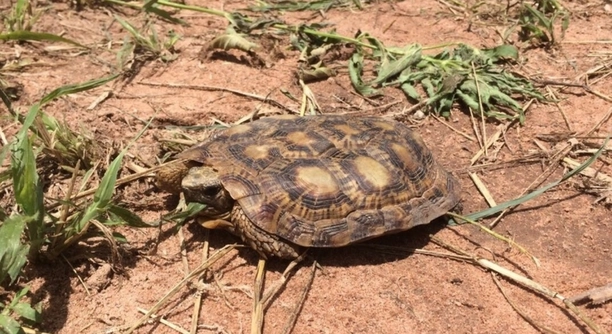
Puffy eyes in pancake tortoises can be concerning for pet owners. Understanding what causes this issue and how to treat it is crucial for their health. This guide will cover the common reasons for swollen eyes and how to help.
The primary causes of puffy eyes in pancake tortoises can include infection, injury, dehydration, or poor diet. Eye swelling can also result from stress or environmental factors, like excessive humidity or improper tank conditions. Proper care can help alleviate the issue.
Knowing the causes and treatments for puffy eyes will help you ensure your pancake tortoise stays healthy and happy.
Common Causes of Puffy Eyes in Pancake Tortoises
Puffy eyes in pancake tortoises are often linked to several health and environmental factors. The most common cause is an eye infection, which can lead to swelling, discharge, and irritation. Tortoises are also prone to dehydration, and when they aren’t getting enough water, their eyes can become puffy and inflamed. Injuries to the eyes from rough handling or sharp objects in their habitat may also cause swelling. Additionally, if their diet is lacking in essential nutrients or too high in certain foods, it can affect their overall health, including eye condition.
Improper tank conditions like excessive humidity or inadequate filtration in their water area can also be a major factor. If the enclosure isn’t cleaned regularly, bacteria can thrive, contributing to infections or irritation. Stress from overcrowded environments, lack of hiding spots, or sudden temperature changes can further weaken the tortoise’s immune system, leading to swollen eyes.
Addressing these factors promptly can help prevent long-term damage. Ensure your tortoise’s enclosure is set up correctly, with proper humidity levels, clean water, and access to a balanced diet. Keeping your tortoise hydrated and reducing stress will help keep their eyes and health in check.
How to Treat Puffy Eyes in Pancake Tortoises
The treatment for puffy eyes largely depends on the underlying cause. For infections, a veterinarian can prescribe the right medications, such as eye drops or oral antibiotics. If dehydration is an issue, ensure your tortoise has constant access to fresh water, and consider soaking them in shallow water to help hydrate them.
Diet is another crucial aspect of treatment. Offering a varied diet rich in vitamins and minerals can support eye health. It’s important to monitor your tortoise’s food intake, ensuring they are eating a balanced diet that includes leafy greens, vegetables, and some fruits.
Preventing Puffy Eyes in Pancake Tortoises
Prevention is the best way to ensure your pancake tortoise stays healthy. Start by creating a suitable habitat. Ensure the humidity and temperature levels in the tank are ideal for your tortoise’s needs. A clean environment free from mold, mildew, and bacteria will also prevent infections from occurring. Regularly clean the enclosure to avoid bacterial build-up, which can irritate their eyes.
Another prevention tip is to handle your tortoise carefully and avoid any sharp objects in their environment. This reduces the chances of eye injury. A balanced diet, including all necessary nutrients, also plays a big role in preventing swelling and other health issues. Keep a close eye on their hydration levels to avoid dehydration, which is often a silent contributor to puffiness.
By combining proper care, a clean habitat, and a nutritious diet, you can greatly reduce the risk of your pancake tortoise developing puffy eyes.
Eye Infection and Treatment
An eye infection is one of the most common causes of puffy eyes in pancake tortoises. Infections can be caused by bacteria, fungi, or other pathogens. If your tortoise’s eyes are swollen, red, or have discharge, an infection may be the issue.
To treat an eye infection, a veterinarian will likely recommend antibiotic ointments or drops. It’s crucial to follow the vet’s instructions to ensure proper healing. In some cases, oral antibiotics may be necessary, especially if the infection is severe. While treating the infection, keep your tortoise in a clean, dry environment to avoid further irritation. Be sure to monitor their progress to make sure they are recovering.
Dehydration and Hydration Tips
Dehydration can cause puffy eyes, and it’s vital to address it promptly. Pancake tortoises need access to water at all times. If they are dehydrated, their eyes may become swollen and dry. Providing a shallow soak for your tortoise can help them rehydrate quickly.
A good way to keep your tortoise hydrated is by soaking them in shallow, lukewarm water for 15 to 20 minutes a few times a week. This allows them to drink and absorb water through their skin. You can also ensure they have fresh water available in their tank at all times. A water dish that’s large enough for your tortoise to easily drink from is a simple solution to help prevent dehydration. Adding a water dish that’s easy for them to access can significantly improve their hydration levels.
Improper Tank Conditions
Improper tank conditions can play a huge role in causing puffy eyes. Too much humidity, poor water filtration, or lack of proper ventilation can lead to eye irritation and infections. Maintaining the right humidity level is essential to your tortoise’s overall well-being.
For a pancake tortoise, the humidity should be kept around 60-80%, and the temperature should be consistent. The tank should also have a place for the tortoise to retreat to if they need privacy. Regular cleaning of their enclosure, including water changes, is essential to reduce bacteria and prevent eye infections. Having a clean and comfortable space will help your tortoise thrive, reducing the risk of puffiness caused by poor conditions.
Stress and Swollen Eyes
Stress can lead to puffy eyes in pancake tortoises. Stress factors, such as overcrowding, loud noises, or sudden changes in their environment, can affect their health. If you notice your tortoise’s eyes swelling, stress might be playing a role.
To reduce stress, ensure your tortoise has a quiet, stable environment. Avoid handling them too much and ensure they have enough space. Providing hiding spots and ensuring proper lighting will also help them feel secure. A calm, consistent environment allows your tortoise to feel safe and less likely to experience stress-related eye issues.
Diet and Its Impact on Eye Health
A poor diet can contribute to puffy eyes in pancake tortoises. A lack of essential nutrients, such as vitamins A and E, can weaken their immune system, making them more susceptible to infections and inflammation.
To keep your tortoise healthy, offer a variety of fresh greens, vegetables, and occasional fruits. Avoid feeding them too much of any single food type. A well-balanced diet provides the necessary vitamins and minerals for overall health, including eye health. Make sure they are getting enough fiber and hydration from their food as well.
Eye Injuries in Pancake Tortoises
Eye injuries are another common cause of puffy eyes. These injuries can occur from rough handling, sharp objects in the enclosure, or even during interactions with other animals. If your tortoise has an injury to the eye, it can lead to swelling, redness, or discharge.
If you suspect an injury, assess the area carefully. Keep your tortoise in a calm environment, and avoid touching or irritating the injured eye. In most cases, an eye injury requires a vet’s attention to prevent infection or further damage. Immediate care is important to ensure proper healing.
FAQ
What are the signs of puffy eyes in pancake tortoises?
Puffy eyes in pancake tortoises can show up as swelling, redness, and discharge. They may also seem more sensitive or have trouble opening their eyes fully. If the puffiness is accompanied by lethargy, this could indicate an infection or other health issue.
How can I prevent puffy eyes in my pancake tortoise?
Maintaining a clean environment, providing a balanced diet, and ensuring proper hydration are key steps to prevent puffy eyes. Also, managing stress by reducing handling and keeping their habitat comfortable can help keep their eyes healthy. Regular check-ups with a vet also support prevention.
Can puffy eyes indicate a more serious problem?
Yes, puffy eyes can signal an underlying issue, such as an eye infection, dehydration, or even stress-related problems. In some cases, it could be a sign of a nutritional deficiency or injury. It’s important to monitor other signs of illness and consult a veterinarian if necessary.
How do I treat an eye infection in a pancake tortoise?
Eye infections in tortoises are typically treated with prescribed antibiotic ointments or drops. A vet may also recommend oral antibiotics if the infection is severe. Cleanliness is vital during treatment, so ensure the tortoise’s habitat is free from bacteria, and avoid stressing the animal during recovery.
Can dehydration cause puffy eyes in pancake tortoises?
Yes, dehydration can lead to puffy eyes. When a tortoise is dehydrated, its body can’t function properly, leading to swelling and eye irritation. Offering your tortoise fresh water and soaking it in shallow, lukewarm water for 15-20 minutes can help rehydrate it.
What temperature and humidity should I maintain for my pancake tortoise?
Pancake tortoises need a temperature range of 75-85°F (24-29°C) during the day, with a slight drop at night. Humidity should stay between 60-80%. Too much humidity can cause fungal growth, while too little can lead to dehydration. Regularly check your tank’s conditions to keep them optimal.
What can I do if my pancake tortoise’s eye injury doesn’t heal?
If an eye injury doesn’t heal after a few days or worsens, it’s essential to take your tortoise to a vet. An untreated injury can lead to permanent damage or infection. A vet may clean the wound and provide appropriate treatment to speed up recovery.
Can stress cause permanent damage to my tortoise’s eyes?
Stress doesn’t usually cause permanent eye damage, but it can worsen other health problems, including puffiness or infections. Long-term stress can also weaken the immune system, making it more vulnerable to infections. It’s important to manage stress factors to keep your tortoise healthy.
How do I know if my tortoise is dehydrated?
Signs of dehydration in pancake tortoises include sunken eyes, dry skin, and lethargy. If you notice these symptoms, it’s crucial to hydrate them immediately. Soak your tortoise in shallow, lukewarm water, and make sure fresh water is available in their tank at all times.
Is it normal for pancake tortoises to have watery eyes?
Some watery eyes can be normal, especially after eating or during a short period of environmental change. However, if the watery eyes persist or are accompanied by swelling, it could be a sign of an infection or other health issue that needs veterinary attention.
Can diet affect my pancake tortoise’s eye health?
Yes, diet plays a big role in eye health. A lack of essential nutrients, especially vitamins A and E, can lead to swollen eyes or other eye problems. Make sure your tortoise is eating a variety of greens, vegetables, and occasional fruits to meet its nutritional needs.
What should I do if I think my tortoise has an eye infection?
If you suspect an eye infection, take your tortoise to a vet right away. The vet will likely prescribe eye drops or ointments to treat the infection. It’s important to follow the prescribed treatment and avoid handling the tortoise too much during recovery.
Is it safe to use home remedies for treating puffy eyes in tortoises?
It’s not recommended to use home remedies for treating puffy eyes in tortoises, as these could worsen the problem. Always consult a vet for proper diagnosis and treatment. Using the wrong treatment or substance could harm your tortoise and delay proper healing.
How often should I check my pancake tortoise for signs of health issues?
Regularly check your pancake tortoise for signs of health issues, ideally once a week. Look for signs such as puffy eyes, changes in behavior, or issues with eating. Keeping a close eye on their behavior helps catch potential issues early before they become more serious.
Can I prevent eye injuries in my pancake tortoise’s enclosure?
Yes, you can minimize the risk of eye injuries by ensuring the enclosure is free of sharp objects or rough surfaces. Be cautious when handling your tortoise and avoid sudden movements that could cause stress or injury. Keeping their environment safe and calm is key to preventing accidents.
Final Thoughts
Puffy eyes in pancake tortoises can be caused by several factors, such as stress, dehydration, eye injuries, or even infections. It’s important to recognize the signs early to ensure the health and well-being of your tortoise. Regular observation of their behavior and physical condition can help identify issues before they become more severe. If you notice persistent puffiness or other concerning symptoms like discharge or lethargy, it’s always best to consult a vet for proper diagnosis and treatment.
Providing a stable and stress-free environment is one of the most effective ways to prevent puffy eyes. Ensure your tortoise has a spacious, quiet area where they can feel secure. Proper humidity levels, temperature, and hydration are also crucial in maintaining their overall health. A well-balanced diet, rich in essential vitamins and nutrients, supports their immune system and helps keep their eyes healthy. Regularly soaking your tortoise in shallow, warm water can also aid in hydration, which plays a significant role in preventing puffiness.
While puffy eyes can sometimes indicate a minor issue, they can also be a sign of a more serious health concern. Therefore, addressing the problem as soon as possible is essential. Whether it’s adjusting the environment, modifying their diet, or seeking veterinary care, taking timely action is key. Pancake tortoises rely on their owners for proper care and attention, so being proactive can make a big difference in maintaining their health. By paying close attention to the signs and taking appropriate steps, you can help ensure your tortoise leads a happy and healthy life.

Hello,
If you enjoy the content that we create, please consider saying a "Thank You!" by leaving a tip.
Every little bit helps us continue crafting quality advice that supports the health, happiness, and well-being of pets around the world, for pets of all shapes, sizes, and species.
We really appreciate the kindness and support that you show us!