
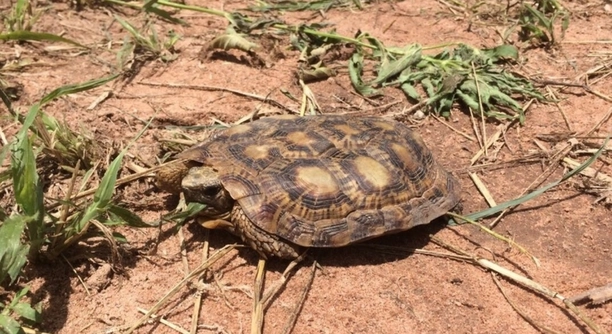
Pancake tortoises are fascinating creatures, known for their unique appearance and behavior. Breeding them, however, requires specific knowledge and careful attention. Understanding their needs is essential for successful reproduction and ensuring the well-being of the species.
Breeding pancake tortoises can be challenging, as they require a warm, dry environment to thrive. Their mating process involves intricate courtship rituals, and females lay a small number of eggs, which need special care to hatch successfully.
There are several important factors to consider when breeding these reptiles. From habitat conditions to egg incubation, each step plays a significant role in their reproductive success.
Habitat Requirements for Breeding Pancake Tortoises
Creating the right environment for pancake tortoises is crucial for successful breeding. These reptiles are native to dry, rocky regions, so their habitat should replicate those conditions. A warm, dry area with access to both hiding spots and space for movement is essential. The temperature should be maintained at around 80 to 90°F during the day, with a drop to around 70°F at night.
Humidity levels should be low, but they still need access to fresh water. In the wild, pancake tortoises often hide under rocks, so providing shelters like flat rocks or logs can help mimic their natural environment. A suitable tank should be large enough for the tortoises to move around freely. Proper lighting and a UVB lamp will also help maintain their health and encourage proper breeding behaviors.
By focusing on these essential habitat conditions, you can improve the chances of your pancake tortoises successfully mating and laying eggs.
Mating and Courtship Behavior
Pancake tortoises have a unique way of mating, which involves a courtship display. Males will often chase the females and engage in a ritualized process of head bobbing and gentle nipping at their shells. This behavior is part of their natural courtship ritual, ensuring that the female is ready to mate.
Males may also engage in physical displays of dominance, sometimes pushing or attempting to flip over the female. This is all part of their mating process, ensuring that only the most dominant males mate with the females.
Understanding their mating behavior will help you identify when they are ready to breed and ensure they are in the right environment to do so.
Egg Laying and Incubation Process
Once mating occurs, the female pancake tortoise will lay her eggs. These eggs are typically deposited in a sandy or soft substrate, which allows the female to bury them to protect them from predators. The female usually lays a small number of eggs, usually no more than three at a time.
Incubating the eggs is a delicate process. After being laid, the eggs should be gently placed in an incubator, where the temperature should remain around 85°F. The humidity should also be kept at the right level, typically between 60% and 80%. Eggs must be turned regularly to prevent them from sticking to the sides of the incubator, which can harm the developing embryos.
The incubation period lasts anywhere from 90 to 150 days, depending on the environmental conditions. During this time, it’s essential to maintain a stable environment, as temperature fluctuations or poor humidity can lead to unsuccessful hatching.
Challenges in Pancake Tortoise Breeding
Breeding pancake tortoises comes with its own set of challenges. One of the most common issues breeders face is ensuring that the temperature and humidity are precisely right for the eggs. These small changes in their environment can have a big impact on whether the eggs successfully hatch.
Another challenge is maintaining proper nutrition and care for the adult tortoises. They need a well-balanced diet of leafy greens, occasional protein sources, and access to calcium. Without these nutrients, the females may have difficulty producing healthy eggs, and the overall health of the tortoises may suffer.
Being patient and consistent with care will increase your chances of success when breeding pancake tortoises. With the right conditions and attention to detail, breeding can be rewarding.
Monitoring the Health of Your Pancake Tortoises
It’s important to regularly check your pancake tortoises for signs of illness or stress, especially during breeding. Look for any changes in their behavior, eating habits, or physical appearance. A healthy tortoise should have clear eyes, a smooth shell, and active movement.
Keeping an eye on their weight and shell condition is key. A healthy tortoise will have a steady weight and a hard, well-shaped shell. Soft spots or discoloration on their shells can indicate illness or nutritional deficiencies. Stress can also affect their breeding success, so providing a stable, calm environment is important.
If you notice any abnormalities, it’s best to consult a vet familiar with reptiles. Early intervention can help address issues before they affect breeding or the health of the tortoises.
Temperature and Humidity Control for Breeding Success
Proper temperature and humidity control are essential for successful breeding and egg incubation. Make sure the temperature in their habitat stays between 80-90°F during the day, and around 70°F at night. Too much fluctuation can cause stress and impact their ability to mate.
During incubation, maintain a temperature of around 85°F. This will provide the best conditions for the eggs. Humidity should also be closely monitored—aim for a level of 60% to 80% for the eggs. Keeping these conditions stable is vital for proper development and hatching.
A thermometer and hygrometer will help you monitor the environment. Adjusting these settings can make all the difference in your tortoises’ breeding success.
Handling Eggs Carefully
When you collect pancake tortoise eggs, handle them with care to avoid damaging them. Gently remove the eggs from the substrate and place them in an incubator as soon as possible. Avoid rotating or shaking the eggs, as this can harm the embryos inside.
Be sure to label each egg with the date they were laid. This helps track their progress and ensures they are incubated for the correct amount of time. Handling eggs with care is essential for successful hatching.
Hatchling Care
Once the eggs hatch, the baby tortoises need a suitable environment. A separate, smaller enclosure with access to warmth, food, and water is ideal for newborn tortoises. They should also be given a place to hide for safety and comfort.
Providing the right food and environment for hatchlings is critical to their growth. Offer small portions of leafy greens, and ensure the habitat is clean and free from any potential hazards. Monitoring their health closely is important as they grow.
FAQ
How long does it take for pancake tortoise eggs to hatch?
Pancake tortoise eggs typically take between 90 to 150 days to hatch, depending on environmental conditions such as temperature and humidity. Warmer temperatures tend to speed up the process, while cooler conditions can prolong incubation. Maintaining the correct temperature and humidity is essential for the successful hatching of the eggs.
What should I feed my pancake tortoises to ensure successful breeding?
A balanced diet is crucial for pancake tortoises, especially when breeding. Offer a variety of leafy greens like dandelion greens, kale, and collard greens. Occasionally, you can supplement with high-calcium foods such as cactus pads or calcium-rich vegetables. Ensure they also have access to fresh water. A well-nourished tortoise has a better chance of breeding successfully.
Do pancake tortoises need a specific mate to breed?
Yes, pancake tortoises require a compatible mate to breed successfully. It’s recommended to have at least one male and one female to ensure successful mating. Males will often show specific courtship behavior towards females, such as head-bobbing or gentle nipping. Having a balanced ratio of males to females can help encourage natural breeding behaviors.
Can pancake tortoises live with other species?
Pancake tortoises are territorial creatures and may not always get along with other species. They do best in solitary conditions, particularly during mating seasons. If you decide to house them with other animals, be sure to monitor their interactions closely to ensure there is no aggression or stress between them.
How can I tell if my pancake tortoises are ready to breed?
When pancake tortoises are ready to breed, the males will exhibit courtship behaviors. These behaviors can include chasing the females, bobbing their heads, or attempting to climb onto the female’s back. Females usually show interest when they are in good health and their shells are hard and strong. Ensuring the proper habitat conditions will encourage breeding readiness.
What temperature should I keep the eggs during incubation?
For optimal incubation, keep pancake tortoise eggs at a consistent temperature of around 85°F. This will create the ideal conditions for embryo development. Avoid fluctuating temperatures, as it can disrupt the hatching process. A thermostat and thermometer can help maintain the desired temperature.
What kind of substrate is best for breeding pancake tortoises?
A dry, sandy substrate works well for pancake tortoises during breeding. The female will often bury her eggs in the sand or soft soil, so a mixture of sand and soil provides the ideal environment. This allows the eggs to be safely hidden and incubated under stable conditions.
How can I increase the chances of successful egg hatching?
To increase the chances of successful egg hatching, ensure you are using a high-quality incubator with precise temperature and humidity control. Make sure the eggs are not disturbed after being laid and that they are kept in a stable, quiet environment. Regularly check the temperature and humidity levels to avoid fluctuations.
Do pancake tortoises need UVB light for breeding?
Yes, UVB lighting is important for pancake tortoises, especially when breeding. UVB helps them synthesize vitamin D3, which is crucial for calcium absorption and healthy shell growth. Proper lighting also supports their overall health and well-being, making it easier for them to mate and breed successfully.
How often do pancake tortoises breed?
Pancake tortoises typically breed once or twice a year. Their breeding season is influenced by environmental factors such as temperature and food availability. When conditions are optimal, both males and females will engage in mating behaviors. To ensure consistent breeding, it’s important to maintain stable habitat conditions year-round.
Can I breed pancake tortoises in captivity?
Yes, you can breed pancake tortoises in captivity, provided you replicate their natural environment as closely as possible. This includes providing appropriate temperatures, humidity, hiding spots, and a balanced diet. Patience and consistent care are essential, as breeding may take time, and success is not always guaranteed.
Are pancake tortoises endangered?
Pancake tortoises are considered vulnerable due to habitat loss, poaching, and the pet trade. Conservation efforts are in place to protect them, and breeding them in captivity can help reduce the demand for wild-caught individuals. It’s important to ensure that captive breeding programs are conducted responsibly and ethically.
What can I do if my pancake tortoises are not mating?
If your pancake tortoises are not mating, first check their environment to ensure it meets all the necessary conditions for breeding. This includes proper temperature, humidity, and diet. Stress can also inhibit mating, so make sure they have enough space and are not being disturbed. If the issue persists, consult a reptile expert or vet to assess their health.
Can pancake tortoises be bred with other tortoise species?
It is not recommended to breed pancake tortoises with other tortoise species. Crossbreeding can result in unhealthy offspring and is typically discouraged for the welfare of the animals involved. It is best to stick to breeding within the species to maintain their health and preserve their genetic integrity.
Final Thoughts
Breeding pancake tortoises requires careful attention to their specific needs, from providing the right habitat to ensuring they receive the correct diet. These reptiles are relatively low-maintenance but need the right conditions to thrive, especially when it comes to mating and egg incubation. By focusing on temperature control, maintaining low humidity, and ensuring the tortoises are well-fed, you can increase your chances of successful breeding. Monitoring their health regularly also plays a vital role in breeding success. Without a proper understanding of their environment and needs, it’s difficult to successfully breed them.
One important factor to keep in mind is that pancake tortoises are vulnerable in the wild, and breeding them in captivity can be a way to help protect the species. Proper breeding practices can help reduce the pressure on wild populations. However, it’s essential to approach breeding ethically and responsibly, ensuring that you’re not contributing to the illegal wildlife trade or damaging the tortoises’ natural habitats. Being informed and prepared is key to ensuring the long-term success of captive breeding programs.
Lastly, while breeding pancake tortoises can be rewarding, it’s important to acknowledge that it can take time and patience. The process of mating, egg-laying, and hatching requires attention to detail, and not every attempt may be successful. It’s a learning process that requires constant adjustment to the care provided. For those interested in breeding pancake tortoises, being dedicated and well-informed about their specific needs will make the experience much more rewarding, contributing to the conservation of this unique species.

Hello,
If you enjoy the content that we create, please consider saying a "Thank You!" by leaving a tip.
Every little bit helps us continue crafting quality advice that supports the health, happiness, and well-being of pets around the world, for pets of all shapes, sizes, and species.
We really appreciate the kindness and support that you show us!