
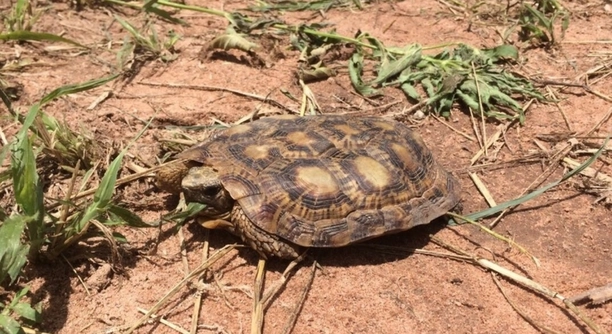
Your pancake tortoise might keep trying to climb, but have you ever wondered why it’s acting this way? This behavior is quite common and can be explained by a few natural instincts and environmental factors.
The primary reason your pancake tortoise keeps attempting to climb is rooted in its natural instinct to seek shelter and safety. Tortoises often climb to higher spots to escape predators or find a more secure space, mimicking their wild habitat.
Understanding these climbing tendencies can help you create a more comfortable environment for your tortoise, ensuring it stays healthy and happy. Let’s explore why this behavior occurs and how to manage it.
Natural Climbing Instincts
Pancake tortoises are naturally inclined to climb. In the wild, these tortoises live in rocky, hilly environments where climbing is essential for survival. They climb to find shelter or to escape from potential threats. The shape of their shells, which is flattened and slightly domed, allows them to maneuver in tight spaces. They use their strong limbs to pull themselves up surfaces, instinctively seeking out higher ground for safety and comfort.
This climbing instinct is very much alive in captive tortoises. Even though they are provided with a safe environment, their natural behavior still drives them to explore and climb. It’s important to allow them to express this behavior in a controlled and safe space to ensure they feel secure.
If you notice your tortoise frequently trying to climb, it’s not necessarily a sign of stress, but rather an expression of its natural instincts. Understanding this can help you design a more enriched habitat that satisfies their needs, helping them feel both secure and content.
Providing Proper Habitat
Creating an appropriate living space is key to meeting your pancake tortoise’s climbing needs.
Incorporating rocks, logs, or safe climbing structures can give them the opportunity to engage with their environment naturally. These elements provide them with the physical activity and mental stimulation they crave.
Exploration and Curiosity
Pancake tortoises are naturally curious creatures. They explore their surroundings to learn more about their environment. Climbing gives them a new perspective, allowing them to investigate different areas in their habitat.
Curiosity is a key factor in why your pancake tortoise attempts to climb. In the wild, they need to explore for food and safe places to hide. This behavior is not just instinct but also part of their drive to understand their surroundings. By climbing, they are actively engaging with their environment, making sure they know where everything is.
In captivity, providing climbing opportunities can encourage healthy behavior. If they have safe spots to explore, they may feel more confident and less stressed. It’s essential to offer them a varied habitat, as this mimics the complexity of their natural home.
Physical Exercise
Climbing is a form of exercise for pancake tortoises. Their strong legs and natural climbing abilities help them stay fit and active.
Physical activity is crucial for their health. Climbing helps strengthen their muscles and maintain mobility. Without regular exercise, tortoises can become sluggish, and their shells may not develop properly. Providing climbing opportunities gives them a chance to stay in good shape. Additionally, climbing promotes circulation and keeps them mentally sharp.
Regular exercise also reduces the risk of obesity and related health issues. Creating an environment where they can climb and move freely will benefit them in the long term. Make sure the climbing structures are safe and appropriate for their size.
Seeking Security
Pancake tortoises often climb to feel safer. In the wild, higher ground can provide a better vantage point to spot potential predators.
This instinct is still present in captivity. When they climb, they might be trying to find a secure spot where they can rest without feeling threatened. It’s a natural response, not a sign of stress. By providing areas they can climb, you help them meet this instinctual need.
Temperature Regulation
Pancake tortoises climb to adjust their body temperature. They often seek warmer or cooler spots by moving up or down in their habitat.
Temperature regulation is vital for their well-being. In the wild, tortoises naturally climb to find areas with optimal sunlight or shade, depending on their needs. In a controlled environment, offering different climbing levels helps them self-regulate their temperature more effectively. By providing both heat lamps and shaded areas, your tortoise can climb to where they feel most comfortable.
FAQ
Why does my pancake tortoise keep climbing the walls?
Climbing the walls is a natural behavior for pancake tortoises. They instinctively try to find higher ground, mimicking their wild habitat where they use climbing to escape predators or find shelter. In captivity, they continue to do this as part of their survival instincts. This behavior doesn’t necessarily mean something is wrong—it’s a way for them to explore and feel secure. Providing climbing opportunities in their habitat allows them to express this natural tendency in a safe way.
How can I stop my pancake tortoise from climbing too much?
If you feel that your pancake tortoise is climbing excessively, ensure their environment is properly enriched. Lack of stimulation can make them try to escape or explore more often. Providing enough hiding spots, climbing structures, and space can reduce their need to climb out of boredom. Ensuring your habitat is set up to allow natural behavior will help satisfy their instincts. Avoid using barriers that may cause frustration and make sure the climbing structures are safe to prevent injury.
Is climbing dangerous for my pancake tortoise?
Climbing can be dangerous if your tortoise attempts to climb surfaces that are too steep or unstable. This can lead to falls, which may cause injury. It’s important to monitor their climbing activities and provide safe, stable structures that they can use. Avoid allowing them to climb on items that could be hazardous, like glass walls or hard, slippery surfaces. Make sure your habitat is set up in a way that prevents them from getting stuck or hurt.
How do I know if my pancake tortoise is stressed?
Stress in pancake tortoises can show up as changes in behavior, like excessive climbing, hiding, or loss of appetite. If your tortoise climbs more than usual and seems agitated, it could be a sign that it feels unsafe or uncomfortable. It’s important to check if their environment meets their needs for temperature, humidity, and hiding spaces. Stress can also arise from overcrowding, loud noises, or a lack of proper care. If the climbing behavior is accompanied by other signs of distress, it’s worth reviewing their habitat setup.
Can I let my pancake tortoise climb on rocks?
Yes, rocks are a great addition to a pancake tortoise’s habitat. They allow for climbing and mimic the tortoise’s natural environment. Ensure the rocks are stable, not too slippery, and safe for your tortoise to climb without the risk of injury. Avoid sharp or jagged rocks that could harm their sensitive shells. Properly placed rocks will also provide hiding spots and areas for them to rest. Just make sure the rocks are clean and free from sharp edges.
How can I create a better climbing space for my pancake tortoise?
To create a better climbing space, focus on adding safe, stable surfaces like rocks, logs, and gentle slopes. These elements allow your tortoise to move and climb naturally without the risk of falls. Use non-slip materials for the base of the habitat and make sure all climbing surfaces are firmly anchored to avoid accidents. It’s also important to vary the heights and angles of these surfaces to give your tortoise a challenge while still ensuring safety. Ensure that your tortoise has enough room to climb comfortably without feeling confined.
Do pancake tortoises climb for food?
While climbing is primarily for safety and exploration, it’s possible that a pancake tortoise may climb in search of food. In the wild, they might climb to access food on higher ground. However, in captivity, if they are climbing excessively near their food source, it may indicate they are hungry or searching for more food. Ensuring that your tortoise has easy access to their meals can prevent them from climbing around in search of food. Make sure their diet is balanced and that food is placed within easy reach.
Can I put my pancake tortoise in a larger enclosure to stop it from climbing?
A larger enclosure can help reduce climbing if it provides enough space for exploration, hiding, and resting. However, simply increasing the size of the enclosure won’t necessarily stop the climbing behavior. The key is to provide variety in their environment. Adding more climbing structures and different levels of terrain will allow your tortoise to express its natural instincts. Be sure the larger space has enough areas for your tortoise to feel secure and comfortable, with proper temperature and humidity levels.
Is climbing important for my pancake tortoise’s health?
Climbing is important for your tortoise’s physical and mental health. It provides exercise, helping to strengthen their muscles and maintain flexibility. Climbing also stimulates their mind, encouraging them to engage with their environment. In addition, it’s essential for temperature regulation. A variety of climbing opportunities can keep your tortoise active and help prevent obesity. Providing the chance for your tortoise to climb and explore is part of ensuring they remain healthy and happy.
How often should I clean the climbing structures in my tortoise’s habitat?
Cleaning the climbing structures in your tortoise’s habitat should be done regularly to prevent bacteria and mold buildup. Depending on how often your tortoise uses them, clean the climbing surfaces at least once a week. Use mild soap and warm water, ensuring you thoroughly rinse off any soap residue. Regular cleaning will keep your tortoise’s environment healthy and reduce the risk of infections or other health issues. Be sure to also clean the rest of their habitat regularly, as a clean environment promotes overall well-being.
Final Thoughts
Pancake tortoises are fascinating creatures with unique behaviors, and climbing is just one of their natural instincts. Whether they are climbing to find food, seek security, or simply explore, it’s an important part of who they are. Understanding why your tortoise climbs can help you provide a better, more comfortable home for them. By creating an environment that encourages climbing in a safe way, you’ll support their natural behaviors while reducing any stress or frustration they might experience.
While climbing is a natural instinct for pancake tortoises, it’s also essential to ensure their environment is not only stimulating but safe. If your tortoise seems to be climbing excessively or in dangerous ways, it’s a good idea to assess their habitat. Is it too small? Are there enough hiding spots or climbing opportunities? A well-balanced habitat with different levels, safe structures, and appropriate temperatures can make a huge difference in your tortoise’s behavior. Providing options for your tortoise to climb safely will allow them to feel secure and content in their space.
Ultimately, the key to a healthy and happy pancake tortoise is creating a habitat that reflects their natural environment. While climbing is a normal behavior, it’s important to remember that your tortoise should never be in harm’s way. By offering them safe climbing spots and meeting their other needs, you’ll help ensure their well-being and happiness. With the right care and attention, your pancake tortoise will thrive and continue to express its natural behaviors in a healthy, stress-free way.

Hello,
If you enjoy the content that we create, please consider saying a "Thank You!" by leaving a tip.
Every little bit helps us continue crafting quality advice that supports the health, happiness, and well-being of pets around the world, for pets of all shapes, sizes, and species.
We really appreciate the kindness and support that you show us!