
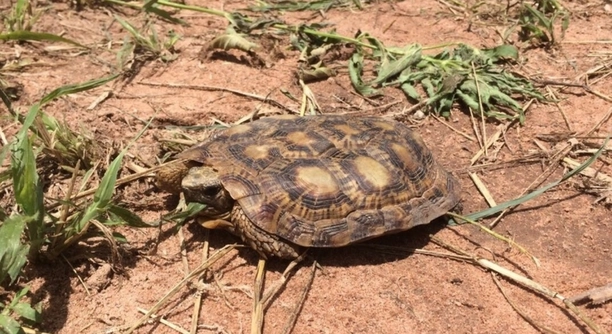
Overfeeding a Pancake Tortoise might seem harmless, but it can actually cause serious harm to their health. Like any pet, they require a balanced diet to thrive, and overfeeding can disrupt this balance.
Overfeeding a Pancake Tortoise can lead to obesity, digestive problems, and even shortened lifespans. Too much food, especially high-protein or fatty meals, can overwhelm their system, making it harder for them to process nutrients properly and stay healthy.
Understanding the dangers of overfeeding your Pancake Tortoise is essential. By learning the right amount and type of food to provide, you can support their well-being and ensure a long, healthy life.
Overfeeding Can Lead to Obesity in Pancake Tortoises
Overfeeding your Pancake Tortoise can result in obesity, which is a common issue among reptiles kept in captivity. Their slow metabolism and unique diet make them more susceptible to weight gain if they are consistently given too much food. Obesity can make movement difficult for your tortoise and could affect their overall health, leading to potential issues with their bones and joints. Unlike some animals, Pancake Tortoises don’t regulate their food intake as efficiently, so it is important to monitor their portions carefully. They need just the right amount of food to keep their metabolism in balance and prevent the excess weight that can lead to long-term health problems.
Without proper management of their diet, it’s easy for your Pancake Tortoise to consume more than needed. Keeping their diet balanced is key to avoiding obesity and other complications that can arise.
To prevent obesity, limit their intake of high-fat foods and feed them a variety of leafy greens. Regular portion control, along with plenty of opportunities for exercise, will ensure that your tortoise maintains a healthy weight and overall well-being. Always be mindful of their needs and adjust accordingly as they grow.
Digestive Problems From Overfeeding
Feeding your Pancake Tortoise too much can cause serious digestive issues. Their stomachs are not designed to process large amounts of food at once, and overeating can lead to constipation or diarrhea. Digestive distress can weaken their immune system and make them more vulnerable to illness.
In addition to the problems with their gut, an overfed tortoise may also face discomfort. This could lead to them eating less over time, disrupting their eating habits. A consistent, manageable feeding schedule is important for ensuring that their digestive system stays in good shape. Providing appropriate portions will help keep their stomachs healthy and prevent discomfort.
Weight-Related Health Issues
Overfeeding your Pancake Tortoise can lead to several health issues, primarily due to excess weight. Their delicate structure isn’t meant to carry too much weight, and this can strain their internal organs. In the long term, excessive weight can cause joint pain, which will affect their ability to move around freely.
Their shells may also become misshapen due to the pressure caused by extra weight. This could affect their mobility and cause additional stress on their bodies. Ensuring they have a proper, balanced diet helps avoid weight-related health concerns, keeping them strong and active. It’s essential to maintain a routine that encourages proper eating habits and exercise to keep them healthy.
It is crucial to provide your Pancake Tortoise with just the right amount of food and encourage them to be active. Avoid giving them fatty foods or too many high-protein snacks. A balanced diet of leafy greens, flowers, and occasional fruits will ensure they stay at a healthy weight without putting unnecessary strain on their body. Keep track of their food intake to avoid overfeeding and help prevent weight-related health issues.
Shortened Lifespan from Overfeeding
Overfeeding your Pancake Tortoise can lead to a shortened lifespan. Obesity and digestive issues can compromise their health, making them more vulnerable to infections and other complications. These health problems are not just uncomfortable; they can decrease your tortoise’s life expectancy if not managed properly.
A tortoise that’s consistently overfed will struggle with energy regulation and nutrient absorption. This can weaken their immune system and leave them more prone to illnesses. By feeding them a balanced diet and controlling their portions, you’ll help them stay healthier for longer. Also, make sure they have access to enough space to move around and stay active, as regular movement helps keep their body functioning properly.
Maintaining proper nutrition is vital for the longevity of your Pancake Tortoise. Overfeeding can cause long-term effects that lead to chronic conditions, limiting their quality of life. Stick to a structured feeding plan that meets their needs without going overboard. A well-managed diet, along with proper care, ensures your tortoise can live a longer, healthier life.
Impact on Behavior
Overfeeding your Pancake Tortoise can alter their behavior. A tortoise with excess weight may become less active and spend more time hiding. This lack of movement can negatively impact their mental stimulation and overall well-being.
If they are overfed, they may also show less interest in exploring their environment. A tortoise that’s too full may not feel the urge to forage or engage in natural behaviors, leading to a duller lifestyle. A balanced diet and appropriate portions will help keep your tortoise active and mentally engaged, preventing behavior issues linked to overfeeding.
Increased Risk of Health Complications
When a Pancake Tortoise is overfed, they become more susceptible to a variety of health complications, including heart disease and liver problems. Excess fat and improperly processed food can strain their organs, leading to chronic conditions.
A healthy, well-balanced diet reduces the risk of these problems, ensuring that your tortoise’s internal systems function properly. They’ll be better able to digest food, regulate energy levels, and avoid stress on their vital organs. A healthy tortoise is more likely to live a longer, happier life without the risk of developing serious diseases related to improper feeding.
FAQ
How often should I feed my Pancake Tortoise?
A Pancake Tortoise should be fed every other day or three to four times a week. Offering food too often can lead to overfeeding, while feeding too infrequently can cause malnutrition. Ensure they get a variety of leafy greens, flowers, and occasional fruits to maintain a balanced diet. Adjust the feeding schedule based on their size, age, and activity level. For young tortoises, feed them more frequently, but as they grow, you can reduce the feeding frequency.
What should I feed my Pancake Tortoise to avoid overfeeding?
To avoid overfeeding, feed your Pancake Tortoise mostly leafy greens like collard greens, dandelion leaves, and turnip greens. You can occasionally offer flowers such as hibiscus or dandelions, and fruits like strawberries or watermelon, but in small amounts. Avoid high-protein foods like meats or processed snacks, as they can contribute to obesity and digestive issues.
Can I overfeed my Pancake Tortoise with vegetables?
While vegetables are a great source of nutrients, it’s possible to overfeed your Pancake Tortoise with them if you’re not careful. Vegetables like kale or spinach contain oxalates, which can lead to kidney problems if consumed in large quantities. Stick to a variety of greens and avoid overloading them with any single type of vegetable. Moderation is key to a balanced diet.
How can I tell if my Pancake Tortoise is overfed?
Signs of overfeeding include a visibly bloated or unusually large body, a lack of activity, and difficulty moving around. Your tortoise may also become less interested in foraging or exploring their environment. If you notice your tortoise gaining too much weight, consider adjusting their food portions and feeding schedule. Keep track of their weight regularly to catch any early signs of overfeeding.
What happens if my Pancake Tortoise is overfed?
Overfeeding can lead to obesity, which puts a strain on your Pancake Tortoise’s joints and internal organs. It can cause digestive problems like constipation or diarrhea, as their stomachs aren’t designed to handle large quantities of food at once. Overfeeding can also shorten their lifespan by weakening their immune system and making them more susceptible to illnesses.
How do I prevent obesity in my Pancake Tortoise?
To prevent obesity, feed your Pancake Tortoise a balanced diet of low-fat greens, limit high-fat foods, and ensure proper portion sizes. Regular exercise is important, so provide opportunities for your tortoise to roam and explore. Avoid leaving food out all the time, and remove any uneaten food after a few hours to discourage overeating. If necessary, consult a veterinarian to determine the proper portion sizes for your tortoise based on its age and health condition.
Should I feed my Pancake Tortoise treats?
Treats should be given sparingly, as they are usually higher in sugar or fat. Fruits like strawberries, melon, or apple slices can be offered occasionally, but only as a small part of their diet. The majority of their food should be low-calorie, high-fiber greens to keep them healthy. Always remember that treats are meant to be a special addition, not a regular part of their meals.
Can overfeeding cause health problems like shell deformities?
Yes, overfeeding can cause shell deformities in Pancake Tortoises, especially if they become obese. Excess weight can distort the shape of their shells over time, as the shell has to bear the extra load. This could lead to further problems with movement and could affect their overall health. Ensure your tortoise maintains a healthy weight to prevent this.
Is it safe to feed my Pancake Tortoise commercial food?
Commercial food should only be used as a supplement, not a primary diet. While some commercial foods are designed for tortoises, they may not provide all the necessary nutrients in the right proportions. Stick to fresh, whole foods like leafy greens and flowers for the majority of their diet. Commercial foods may be too high in protein or fat, so always read the labels carefully before feeding them to your tortoise.
How can I know if my Pancake Tortoise is getting enough nutrients?
Monitor your Pancake Tortoise’s overall health, including their weight, energy levels, and shell condition. If they are eating a variety of fresh, nutrient-dense foods and staying active, they are likely getting enough nutrients. A healthy tortoise will have clear eyes, a smooth and firm shell, and a good appetite. If you’re unsure, consult a vet who specializes in reptiles to ensure your tortoise is meeting its nutritional needs.
How long can my Pancake Tortoise go without food?
Adult Pancake Tortoises can survive for several weeks without food, but it’s not ideal for their long-term health. They are better off having a consistent feeding schedule to maintain their energy levels and overall health. Young tortoises should never be left without food for extended periods, as they need frequent meals to grow properly.
What are the best conditions for my Pancake Tortoise to stay active?
The best conditions to keep your Pancake Tortoise active include a warm environment with a stable temperature, access to both indoor and outdoor spaces, and regular opportunities to forage for food. A suitable habitat should include climbing structures or areas where they can explore. Keeping them engaged physically will help prevent weight gain and encourage natural behaviors.
Final Thoughts
Overfeeding your Pancake Tortoise can lead to a number of health problems, so it’s important to maintain a proper feeding routine. While it’s easy to think that more food means a happier tortoise, that’s not the case. These tortoises need a balanced diet, with the right amount of greens, flowers, and occasional fruits. Giving them too much food can cause obesity, digestive issues, and even shorten their lifespan. Paying attention to their portion sizes and feeding frequency is essential for their health. A healthy tortoise is a happy tortoise, and their well-being depends on how well you manage their food intake.
Another important aspect to consider is the type of food you provide. While some foods may seem healthy, offering them in large amounts can still cause harm. For example, high-calcium vegetables like spinach are great but should only be fed in moderation. Overfeeding certain foods can lead to imbalances in their diet and affect their long-term health. Stick to a variety of leafy greens, dandelions, and other safe plants. By ensuring your tortoise gets a balanced mix, you help avoid common issues like kidney problems, shell deformities, and digestive issues. Always research the foods you plan to offer to ensure they’re safe and appropriate for your tortoise.
Finally, it’s important to remember that every Pancake Tortoise is different. Some may have more specific dietary needs depending on their age, activity level, or any health concerns. If you’re unsure about what your tortoise needs, it’s a good idea to consult a veterinarian who specializes in reptiles. Regular checkups can help identify any issues early on and ensure your tortoise is thriving. By keeping track of their food intake and behavior, you can make adjustments as needed to ensure they live a long, healthy life.

Hello,
If you enjoy the content that we create, please consider saying a "Thank You!" by leaving a tip.
Every little bit helps us continue crafting quality advice that supports the health, happiness, and well-being of pets around the world, for pets of all shapes, sizes, and species.
We really appreciate the kindness and support that you show us!