
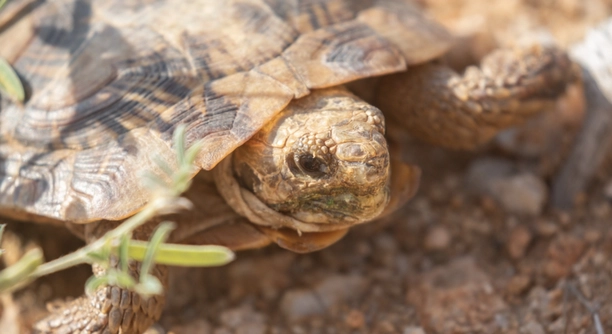
Are you looking for the best vegetables to keep your pancake tortoise healthy and happy? Providing a well-balanced diet with nutrient-rich vegetables is essential for their well-being and overall longevity. Choosing the right options ensures they get proper nutrition.
The best vegetables for pancake tortoises include dandelion greens, collard greens, mustard greens, turnip greens, hibiscus leaves, endive, and escarole. These vegetables are packed with essential vitamins, minerals, and fiber, supporting shell strength, digestion, and overall health.
Feeding your pancake tortoise the right vegetables can make a significant difference in their quality of life. Understanding the nutritional benefits of these options will help you create a diet that meets their specific needs.
Dandelion Greens
Dandelion greens are one of the best vegetables for pancake tortoises. They are rich in calcium, which helps maintain strong bones and a healthy shell. These greens also contain essential vitamins like A and K, supporting vision, immune function, and blood clotting. The fiber in dandelion greens aids digestion and prevents constipation. Since pancake tortoises are herbivores, they thrive on leafy greens like these. Offering fresh, pesticide-free dandelion greens ensures they receive natural nutrients without harmful chemicals. These greens can be fed regularly as a staple in their diet. Variety is key, so mix them with other safe vegetables.
Dandelion greens are a great source of hydration due to their high water content. This is important for maintaining proper moisture levels, especially for tortoises living in dry environments. They are easy to find in grocery stores or can be grown at home for a fresh supply.
When feeding dandelion greens, ensure they are thoroughly washed to remove any dirt or pesticides. It’s best to offer them raw, as cooking can reduce their nutritional value. You can mix them with other greens to create a balanced diet. Moderation is key, so avoid overfeeding to prevent imbalances in their nutrient intake.
Collard Greens
Collard greens are another excellent vegetable for pancake tortoises. They provide a high amount of calcium and fiber, promoting shell strength and smooth digestion. These greens also contain antioxidants that help protect cells from damage and support overall health.
In addition to their nutritional benefits, collard greens have a slightly tougher texture compared to other leafy greens. This encourages natural chewing behavior, which helps keep a tortoise’s beak trimmed and healthy. The high vitamin C content supports their immune system, reducing the risk of illness. However, collard greens also contain oxalates, which can bind to calcium and reduce absorption. This means they should be fed in moderation alongside other vegetables.
To ensure a balanced diet, mix collard greens with lower-oxalate greens like dandelion or endive. Always wash them before serving to remove any residue. Rotate them with other leafy greens to prevent nutritional imbalances and provide a variety of flavors and textures.
Mustard Greens
Mustard greens are packed with vitamins A, C, and K, supporting immune function, vision, and bone health. They also contain fiber, which aids digestion. Their slightly peppery taste adds variety to a tortoise’s diet, making mealtime more interesting while providing essential nutrients.
These greens are a great source of antioxidants, helping to protect cells from damage. Their high water content keeps tortoises hydrated, which is especially beneficial in dry environments. However, mustard greens contain goitrogens, which can affect thyroid function if fed in excess. Rotating them with other leafy greens ensures a well-balanced diet while preventing potential issues.
When feeding mustard greens, always wash them thoroughly to remove any chemicals or dirt. Serve them raw to retain their full nutritional benefits. Mixing them with other greens like dandelion or escarole can help balance their strong flavor and provide a wider range of nutrients.
Turnip Greens
Turnip greens provide essential calcium, helping maintain a strong shell. They are rich in fiber, which supports digestion and prevents constipation. Their high vitamin content strengthens the immune system, while antioxidants promote overall health. These greens are an excellent addition to a tortoise’s diet when fed in moderation.
In addition to their nutritional benefits, turnip greens contain glucosinolates, which can interfere with iodine absorption if consumed in large amounts. To avoid this, they should be offered as part of a varied diet. Their slightly bitter taste can add variety, encouraging natural foraging behavior. Including different textures in their meals helps with proper beak maintenance and overall feeding enrichment.
Washing turnip greens before serving removes any pesticides or dirt. They should be fed raw to preserve their nutrients. Mixing them with milder greens like endive or escarole helps balance their flavor. Rotating vegetables ensures a well-rounded diet, keeping tortoises healthy and engaged with their food.
Hibiscus Leaves
Hibiscus leaves are a nutritious addition to a pancake tortoise’s diet. They contain high levels of fiber, promoting healthy digestion. These leaves are also rich in antioxidants, helping to protect against cell damage. Their mild taste makes them easy to incorporate into a varied diet.
In addition to fiber and antioxidants, hibiscus leaves provide essential vitamins like A and C. These support vision, immune function, and overall health. Their soft texture makes them easy to chew, reducing the risk of beak overgrowth. Offering fresh, pesticide-free hibiscus leaves ensures a safe and beneficial food source.
Endive
Endive is a great low-oxalate option for pancake tortoises. It provides essential hydration due to its high water content. The crisp texture encourages natural chewing, promoting good beak health. This leafy green is also a source of important vitamins and minerals, making it a healthy addition to their diet.
Escarole
Escarole is another excellent leafy green that helps keep a tortoise’s diet balanced. It has a mild flavor, making it easy to mix with other vegetables. Rich in fiber, escarole supports digestive health and prevents constipation. It is also low in oxalates, making it a safer option for regular feeding.
FAQ
Can pancake tortoises eat vegetables every day?
Yes, pancake tortoises can eat vegetables daily as part of a balanced diet. Leafy greens should make up most of their meals, providing essential vitamins, minerals, and fiber. However, variety is important to prevent nutritional imbalances and ensure they receive a wide range of nutrients.
Are there any vegetables pancake tortoises should avoid?
Some vegetables should be limited or avoided entirely. Spinach and beet greens contain high levels of oxalates, which can interfere with calcium absorption. Cruciferous vegetables like broccoli and cabbage can affect thyroid function if fed in large amounts. Avoid onions, garlic, and rhubarb, as they are toxic to tortoises.
How often should I rotate vegetables in their diet?
Rotating vegetables every few days ensures a balanced diet and prevents nutritional deficiencies. Offering a mix of high-calcium and low-oxalate greens provides essential nutrients without the risk of overloading on certain compounds. A varied diet also keeps meals interesting for your tortoise.
Can pancake tortoises eat fruit?
Fruits should only be offered occasionally as a treat. While some fruits like berries and melons are safe, they contain high sugar levels, which can disrupt digestion. Too much fruit can lead to an imbalance in gut bacteria, so it’s best to keep it minimal.
Should I feed my pancake tortoise cooked vegetables?
Raw vegetables are best because they retain their full nutritional value. Cooking can break down important vitamins and minerals, reducing their benefits. Soft vegetables may also encourage lazy chewing, leading to beak overgrowth. Always serve vegetables fresh and thoroughly washed.
How much should I feed my pancake tortoise?
The amount of food depends on the tortoise’s age and activity level. A general rule is to offer enough greens to cover the size of their shell once a day. If they finish quickly, you can slightly increase the portion, but avoid overfeeding.
Do pancake tortoises need supplements?
Calcium and vitamin D3 supplements are recommended, especially if your tortoise doesn’t get enough natural sunlight. Dusting their food with calcium powder a few times a week helps maintain strong bones and a healthy shell. Always consult a vet for specific supplement needs.
Can I grow vegetables for my pancake tortoise at home?
Growing vegetables at home is a great way to provide fresh, pesticide-free food. Leafy greens like dandelion, collard, and mustard greens can thrive in a small garden or pots. Herbs like hibiscus and endive are also easy to grow and make a nutritious addition.
What are the signs of a poor diet in pancake tortoises?
A poor diet can lead to soft shell syndrome, lethargy, and digestive issues. If your tortoise’s shell feels weak or their energy levels drop, they may need more calcium or variety in their diet. Weight loss, diarrhea, or lack of appetite can also indicate nutritional problems.
How can I encourage my tortoise to eat new vegetables?
Some tortoises can be picky eaters. Mixing new vegetables with their favorite greens can help them adjust. Chopping everything into small pieces and lightly misting with water can enhance the smell and texture, making new foods more appealing.
Final Thoughts
Feeding your pancake tortoise the right vegetables is essential for their health. Leafy greens like dandelion, collard, and mustard greens provide important vitamins and minerals. These vegetables support strong bones, good digestion, and overall well-being. Adding a variety of greens ensures they get balanced nutrition and prevents deficiencies. Some vegetables, like hibiscus leaves and escarole, offer additional benefits, such as hydration and antioxidants. By rotating these vegetables, you can create a diet that meets their specific needs. Keeping their meals fresh and natural will help them thrive in the long run.
While vegetables should make up the majority of their diet, moderation is key. Certain greens, like turnip and mustard greens, contain compounds that can affect nutrient absorption if fed too often. Avoid vegetables high in oxalates, such as spinach, and never offer toxic plants like onions or rhubarb. Feeding raw vegetables is the best way to preserve their nutrients. Washing them thoroughly removes pesticides and dirt, ensuring your tortoise gets a safe and healthy meal. If needed, calcium supplements can be added to their diet to support shell strength and prevent deficiencies.
A well-balanced diet is one of the most important factors in keeping a pancake tortoise healthy. Providing a variety of safe vegetables helps maintain their energy levels, digestion, and shell development. Observing their eating habits can help you adjust their diet if needed. If your tortoise refuses certain greens, try mixing them with their favorites to encourage better eating. Keeping their meals consistent while adding small changes ensures they receive the best possible nutrition. A proper diet will contribute to a happy and long life for your pancake tortoise.

Hello,
If you enjoy the content that we create, please consider saying a "Thank You!" by leaving a tip.
Every little bit helps us continue crafting quality advice that supports the health, happiness, and well-being of pets around the world, for pets of all shapes, sizes, and species.
We really appreciate the kindness and support that you show us!