
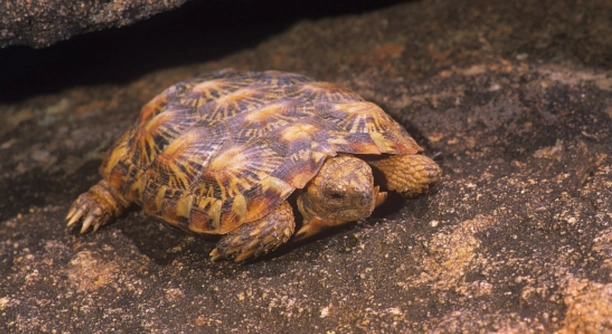
Caring for a pancake tortoise requires more than just feeding and habitat setup. It’s important to ensure that they are comfortable and feel safe in their environment. These reptiles thrive in specific conditions that need attention.
To make your pancake tortoise more comfortable, provide the right temperature, humidity, and habitat enrichment. Ensure that they have enough space to move around and places to hide. Proper diet and water also contribute to their overall well-being.
Making a few adjustments in your tortoise’s care routine can make a significant difference. Keep reading for practical tips on improving their comfort and health.
Temperature and Humidity
Maintaining the right temperature and humidity is essential for your pancake tortoise’s comfort. These reptiles come from warm, arid climates, so they need a warm environment that mimics their natural habitat. It’s important to have a heat source in their enclosure, like a basking lamp or ceramic heat emitter, to provide the warmth they need. A basking spot should be between 90-95°F, and the rest of the habitat should stay around 75-80°F. Proper humidity levels are also crucial for your tortoise’s well-being. Too much or too little can cause issues with shedding and digestion.
To keep the humidity at the right level, you can mist the enclosure occasionally. The humidity should range between 50-60%. A simple humidity gauge will help you monitor these levels. Avoid over-wetting the habitat, as pancake tortoises do best in dry conditions overall.
The right temperature and humidity make a huge difference in your tortoise’s health. With the right conditions, they will feel more at ease, leading to better activity and less stress. Adjusting these factors can help your tortoise thrive in captivity.
Enclosure Space
Space is a vital factor for a comfortable home for your pancake tortoise.
Your tortoise needs room to move around, explore, and engage with its environment. The larger the enclosure, the better. Aim for at least a 40-gallon tank or larger if possible. Tortoises are active and need a lot of space to avoid stress. Giving them the right space helps them feel secure and promotes physical activity, reducing the chances of behavioral problems.
Hiding Spots
Providing hiding spots is crucial for your pancake tortoise’s comfort. These reptiles feel safest when they have access to small, private spaces where they can retreat from their surroundings. Simple hides made from rocks or logs can do the trick, creating a sense of security.
Place the hides in the corners of the enclosure to give your tortoise options for retreating. This helps them feel less exposed and more at ease. It also prevents stress, which can lead to health issues. Ensure the hiding spots are big enough for the tortoise to enter and turn around, but small enough to provide a cozy, enclosed space.
It’s also important to consider the material of the hides. Natural materials like wood or stone are ideal because they help regulate humidity and temperature within the hiding spots. By creating these areas in the right places, your tortoise will have a safe, quiet space to relax and rest, promoting better overall health.
Diet and Nutrition
Diet is a key factor in your pancake tortoise’s comfort and well-being.
Providing a balanced diet ensures your tortoise gets all the nutrients it needs. They are herbivores, so a mix of dark leafy greens like collard greens, dandelion greens, and kale is essential. You can also offer edible flowers like hibiscus and pansies for variety.
Avoid feeding them high-oxalate foods like spinach or beet greens, as they can cause kidney problems over time. A calcium supplement is also important for healthy shell growth and bone structure. Offer this in small doses a few times a week to ensure your tortoise gets enough. Keep fresh water available at all times to prevent dehydration and assist with digestion.
Lighting
Proper lighting is crucial for your pancake tortoise. They need both UVA and UVB rays to stay healthy. UVA helps with daily activity, while UVB is essential for calcium absorption and shell growth. Without the right lighting, they can develop metabolic bone disease.
A good UVB bulb should be placed near the basking area, ensuring your tortoise gets exposure for several hours each day. If possible, use a combination of a heat lamp and UVB light, as both are necessary for their well-being. Regularly replace the bulbs to ensure they continue to provide the correct wavelengths.
Water Source
Make sure your tortoise always has access to fresh water.
Place a shallow water dish in the enclosure that your tortoise can easily access. This is crucial for hydration, as it helps with digestion and keeps your tortoise healthy. Make sure to clean the dish regularly.
Shell Care
The health of your pancake tortoise’s shell is just as important as its overall comfort.
Regularly check your tortoise’s shell for any signs of damage or infections. A healthy shell should be smooth, hard, and free from cracks. If your tortoise spends time outside or in areas with rough surfaces, be cautious of potential injuries. Make sure to keep their environment clean and dry to prevent fungal or bacterial growth. A balanced diet with plenty of calcium will also keep the shell strong and healthy.
FAQ
How often should I feed my pancake tortoise?
Pancake tortoises should be fed daily, but you don’t need to overfeed them. Offering a small amount of fresh leafy greens and edible flowers daily is sufficient. Ensure they have access to food that is fresh and not wilted. It’s important to remove any uneaten food after a few hours to avoid spoilage.
Can I house more than one pancake tortoise together?
While it’s possible to house multiple pancake tortoises together, it’s not always ideal. These tortoises can be territorial and might become stressed if kept in close quarters with others. If you do decide to keep more than one, make sure their enclosure is large enough and provides plenty of hiding spots to minimize conflict. Watch for signs of aggression, such as chasing or biting, and be prepared to separate them if necessary.
What should I do if my pancake tortoise isn’t eating?
If your pancake tortoise isn’t eating, the first thing to check is its environment. Ensure the temperature and humidity are correct, as discomfort in these areas can lead to a lack of appetite. If everything seems fine but the tortoise is still not eating, it might be stressed, unwell, or even dehydrated. Consult with a veterinarian to rule out any health issues. Some tortoises may also fast during seasonal changes, so it’s important to monitor them for a while before seeking help.
How do I handle a pancake tortoise?
Handling a pancake tortoise should be minimal to reduce stress. These tortoises are naturally shy and prefer to stay on the ground, where they feel safe. If you need to handle your tortoise, make sure to lift it gently from both sides of its shell. Avoid picking it up by the legs or head, as this could cause injury. Never force your tortoise to be handled if it seems stressed or tries to retreat into its shell.
What is the best bedding for a pancake tortoise?
The best bedding for your pancake tortoise is something that mimics its natural environment and promotes comfort. A mix of coconut coir, sand, and soil works well because it is absorbent, easy to clean, and doesn’t cause harm if ingested. Make sure the bedding isn’t too deep, as pancake tortoises prefer to have solid ground beneath them. Avoid using pine or cedar shavings, as these can cause respiratory problems and are harmful to tortoises.
Do pancake tortoises need UVB lighting?
Yes, pancake tortoises absolutely need UVB lighting to stay healthy. UVB rays help them absorb calcium, which is crucial for their shell and bone health. Without proper UVB exposure, your tortoise may develop metabolic bone disease, which weakens its bones and shell. A UVB light should be used for about 10-12 hours a day, and the bulb should be replaced every 6-12 months for optimal effectiveness.
Can I let my pancake tortoise roam outside?
It’s fine to let your pancake tortoise roam outside, but only in a secure, safe area. Make sure the space is free from predators and that the tortoise can’t escape. Outdoor time is beneficial for providing natural sunlight, which will also help with vitamin D3 production. Always supervise your tortoise while outside, and never leave it out in extreme weather conditions, as they are sensitive to temperature fluctuations.
How do I know if my pancake tortoise is stressed?
A stressed pancake tortoise may exhibit behaviors like withdrawing into its shell, becoming less active, or refusing to eat. You might also notice it becoming more aggressive or skittish. Stress can be caused by many factors, including environmental changes, overcrowding, or improper temperature and humidity. Make sure the habitat is stable and that the tortoise has enough space to feel secure. If stress continues, consult a veterinarian to rule out health issues.
What temperature should the basking area be for my pancake tortoise?
The basking area for your pancake tortoise should be between 90-95°F (32-35°C). This area should be well-lit and warm, allowing your tortoise to bask and regulate its body temperature. Ensure the rest of the habitat stays cooler at around 75-80°F (24-27°C). By providing a gradient of temperatures, your tortoise can move between cooler and warmer areas as needed to maintain its ideal body temperature.
Do pancake tortoises need a companion?
While pancake tortoises are solitary animals in the wild, they can live alone in captivity and thrive. However, some owners do choose to house them with other tortoises of the same species. If you do house them together, make sure the enclosure is large enough to avoid overcrowding and that there are plenty of hiding spots. Monitor them for signs of stress or aggression, and separate them if necessary.
Final Thoughts
Caring for a pancake tortoise involves providing a suitable environment that mimics its natural habitat. By ensuring the right temperature, humidity, and ample space, you can help your tortoise feel comfortable and secure. A well-maintained enclosure with hiding spots, appropriate lighting, and a balanced diet plays a major role in promoting your tortoise’s overall well-being. It is important to monitor your tortoise regularly to ensure it is healthy and happy, making adjustments as needed.
A pancake tortoise may be small, but it requires thoughtful attention. Its shell, diet, and hydration should all be closely monitored to prevent health issues. Since these tortoises are quite shy, giving them enough space and time to adjust to their surroundings is essential. Over-handling can cause unnecessary stress, so it’s best to allow them to move and explore at their own pace. A low-stress environment will support healthy growth and activity, as well as reduce the risk of behavioral or physical issues.
Whether you’re a first-time tortoise owner or someone looking to improve the living conditions for your pancake tortoise, paying attention to the little details is key. Providing the right balance of warmth, food, water, and space can make a huge difference in your tortoise’s comfort and long-term health. Remember that these reptiles, like all pets, need time and care to thrive in a home environment. By taking the time to adjust their habitat to meet their needs, you’ll ensure that your pancake tortoise leads a healthy and happy life.

Hello,
If you enjoy the content that we create, please consider saying a "Thank You!" by leaving a tip.
Every little bit helps us continue crafting quality advice that supports the health, happiness, and well-being of pets around the world, for pets of all shapes, sizes, and species.
We really appreciate the kindness and support that you show us!