
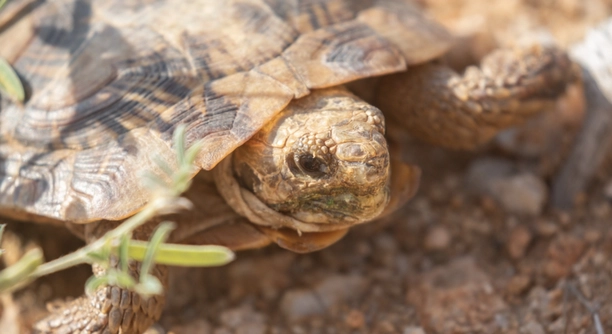
Pancake tortoises are unique reptiles, and when they are ready to lay eggs, they show distinct signs. Observing these signs can help you care for your tortoise and ensure it has a healthy nesting experience.
The primary indicators that your pancake tortoise is ready to lay eggs include changes in behavior, physical changes, and nesting activity. These signs often emerge when the female reaches maturity and prepares for reproduction.
Knowing these signs will help you understand your tortoise’s needs. It’s important to pay attention to any behavioral shifts or environmental changes that can affect its egg-laying process.
1. Behavioral Changes in Pancake Tortoises
When a pancake tortoise is ready to lay eggs, you may notice changes in its behavior. They can become more restless or start to dig around the enclosure. This is often a sign they are looking for a suitable spot to lay their eggs. Female tortoises also tend to become more secretive or reclusive as they search for a quiet and safe area for nesting. Their movements may slow down, and they might refuse food or show less interest in their surroundings during the egg-laying period.
Understanding these signs can make caring for your tortoise easier. A lack of interest in food or active behavior is a clear indicator that something is changing. They are focusing on preparing for the egg-laying process.
When you notice a tortoise acting differently, check the environment for any factors that could cause stress or affect the egg-laying process. Ensuring the habitat is comfortable, quiet, and secure can help ease their natural instincts. Female tortoises will appreciate an undisturbed place to rest and lay eggs.
2. Physical Changes in Female Tortoises
Female pancake tortoises may undergo some noticeable physical changes when they are ready to lay eggs. Their body can appear slightly swollen, especially around the abdomen, as the eggs begin to develop. This is a normal part of their reproductive cycle and shows that they are preparing to lay eggs soon. These changes can happen over a few weeks, and it’s essential to keep an eye out for any signs of discomfort.
Along with this, their shells may also appear slightly more rounded or thicker as they carry the eggs. This change is subtle but noticeable if you regularly handle or observe your tortoise. The added weight from the developing eggs can make them move a bit slower or more carefully.
The presence of these physical signs, such as a swollen abdomen or a change in shell shape, means the female is nearing egg-laying time. These physical clues can help guide you in providing the best care for your tortoise during this period.
3. Nesting Behavior
As egg-laying time approaches, your pancake tortoise will begin to show nesting behavior. You might notice them digging or exploring different spots in their enclosure, looking for a place to lay their eggs. They typically prefer soft, dry areas with access to hidden corners or shallow burrows. If they cannot find an appropriate place, they may become stressed or unsettled.
This digging behavior is natural and essential for creating a safe, secure spot. A proper nesting area helps the female feel more comfortable and reduces any unnecessary anxiety. If your tortoise isn’t finding a suitable place, consider adding soft, sandy soil or other materials to encourage natural digging.
Sometimes, females may lay their eggs in odd places if their environment isn’t ideal. Be sure to provide a quiet and undisturbed area, as they tend to lay eggs when they feel safe. Keep monitoring them to make sure they have everything they need to feel secure.
4. Weight Gain and Increased Appetite
During the egg-laying process, a female pancake tortoise may experience weight gain. This is due to the developing eggs inside her body. You may notice that she becomes heavier and less active. A slight increase in appetite can occur as well, as her body needs more nutrients to support egg production.
While this behavior may vary from tortoise to tortoise, it’s important to provide a nutritious diet to support the laying process. Offering high-quality food with added calcium can be beneficial for her health. Pay attention to her eating habits, but also ensure she isn’t overfeeding, as too much food can cause discomfort.
With her physical changes, she may also need additional hydration. Make sure she has access to fresh water regularly to stay hydrated, which can help in the laying process. The combination of the right food and care will ensure a healthier egg-laying experience.
5. Changes in Behavior After Egg-Laying
After your pancake tortoise lays her eggs, you may notice a shift in her behavior. She will likely become more relaxed and less restless. The digging and searching for nesting sites will stop, and she may return to a normal eating and activity routine.
This post-laying period is crucial for her recovery. You might observe her resting more frequently as she regains her energy. Some females even become more social, while others prefer solitude as they recover from the physical demands of laying eggs. Make sure she has plenty of time to rest and avoid disturbing her.
Your tortoise might also show a reduced appetite immediately after laying eggs. It’s normal for her to take a break from eating for a short period. Just be sure she’s getting back to her usual habits as she recovers fully.
6. Egg-Laying Frequency
Pancake tortoises usually lay eggs several times a year. However, the exact frequency can vary depending on their age, environment, and health. Typically, females lay eggs 1-3 times annually, with each clutch containing 2-6 eggs.
Each egg-laying cycle requires energy, so it’s essential to monitor your tortoise’s health carefully. If she lays eggs too often, it might cause stress or a depletion of nutrients. Be sure her diet and living environment support healthy egg production. Providing appropriate resting periods is just as important as proper nutrition.
Keeping track of the egg-laying cycles will help you care for her better and notice any changes in behavior or health. It’s important to adjust her habitat and diet to ensure she remains healthy through multiple cycles.
FAQ
How do I know if my pancake tortoise is ready to lay eggs?
When your pancake tortoise is ready to lay eggs, you may notice a few key signs. One of the most common indicators is increased digging behavior as she searches for a proper nesting site. Her body may also become slightly swollen, especially around her abdomen, due to the developing eggs. Additionally, she might show less interest in food or become more reclusive. These signs suggest that she is preparing for egg-laying.
Can I help my pancake tortoise with laying eggs?
While you can’t directly assist with the egg-laying process, providing the right environment can make a big difference. Ensure she has a quiet, undisturbed space with soft, sandy soil or other digging material. This will allow her to create a safe nesting area. Make sure she has access to clean water and a balanced diet during this period. Offering a peaceful environment will support the natural process and reduce stress.
How often do pancake tortoises lay eggs?
Pancake tortoises typically lay eggs 1-3 times a year, but this can vary based on the tortoise’s age, health, and environmental conditions. Each time they lay eggs, they may produce 2-6 eggs in a clutch. Frequent laying can be demanding, so providing her with proper care and recovery time between laying cycles is essential.
What should I do if my pancake tortoise lays eggs in the wrong place?
If your pancake tortoise lays eggs in an unsuitable area, you should gently move the eggs to a safer location if possible. Be sure to handle the eggs carefully, as they can be fragile. Create a designated nesting area with soft, sandy soil where she can bury the eggs. If she has already laid eggs in an unsuitable spot, make sure the new spot is quiet, warm, and undisturbed to encourage successful incubation.
Can I touch the eggs after my pancake tortoise lays them?
It’s best to handle the eggs as little as possible after they are laid. Touching the eggs may transfer oils or bacteria that could harm the developing embryos. If you must move the eggs, wear clean gloves and handle them gently. Make sure you keep the eggs in the same orientation and avoid rotating them, as this can cause damage.
Do pancake tortoises need a mate to lay eggs?
No, female pancake tortoises can lay eggs without mating. This is called laying infertile eggs. However, if a male tortoise is present and mating occurs, the eggs will likely be fertilized. Even without a mate, the female will still go through the process of egg-laying, though the eggs won’t hatch.
How can I tell if my pancake tortoise’s eggs are fertilized?
The best way to confirm whether the eggs are fertilized is to check for the development of embryos over time. If the eggs are fertile, you may see small veins or developing embryos after a few weeks of incubation. However, since it can be difficult to tell by just looking at the eggs, you may need to wait for them to hatch or consult with a reptile veterinarian for more precise methods.
What should I do if my pancake tortoise is not laying eggs?
If your female pancake tortoise is not laying eggs, consider the possible causes. She may not be ready yet, or her environment may not be suitable. Ensure her habitat has the right temperature, humidity, and proper materials for digging. A lack of appropriate nesting areas or stress could delay the egg-laying process. If she is showing other signs of illness, it’s worth consulting a vet.
How long does it take for pancake tortoise eggs to hatch?
Pancake tortoise eggs typically take around 3-6 months to hatch, depending on the temperature and humidity. Warmer conditions may speed up the incubation process, while cooler temperatures can slow it down. Make sure to keep the eggs in a stable environment with the proper temperature and humidity levels to ensure successful hatching.
Can I incubate pancake tortoise eggs artificially?
Yes, you can incubate pancake tortoise eggs artificially if you are unable to provide a natural nesting environment. Use an incubator set to the proper temperature (around 85°F or 29°C) and humidity (60-70%). Check the eggs regularly for signs of development. It’s important to maintain a stable environment to give the eggs the best chance of hatching.
What should I do after the eggs hatch?
Once the eggs hatch, provide a safe and suitable environment for the hatchlings. Make sure they have access to clean water, a balanced diet, and appropriate shelter. You should also monitor their health closely during their first few weeks as they adjust to their new surroundings. Keep the habitat warm and comfortable, and give them plenty of space to explore.
Final Thoughts
Caring for a pancake tortoise, especially when it’s ready to lay eggs, requires patience and attention to detail. By watching for signs like increased digging, behavioral changes, and physical changes such as a swollen abdomen, you can understand when your tortoise is preparing to lay eggs. Creating an appropriate nesting area is crucial for her comfort and safety. A quiet, undisturbed space with soft, sandy soil will give her the best chance to lay eggs naturally. Providing this supportive environment can help ensure the process goes smoothly, reducing stress for both you and your tortoise.
It’s important to remember that laying eggs is a natural part of your female tortoise’s life cycle, and every tortoise is different. Some may lay eggs more often, while others may do so less frequently. Whether the eggs are fertilized or not, the process can still be demanding on your tortoise’s body. Proper care, including a healthy diet, hydration, and a calm, secure habitat, will help her through this time. Understanding that this behavior is a normal part of her development can help you manage the situation more effectively. Don’t forget to monitor her health and behavior closely, as these can provide valuable clues when things may not be going as expected.
Finally, if your pancake tortoise lays eggs, it’s essential to be prepared for what comes next. Whether you’re handling the eggs carefully or allowing them to incubate naturally, keeping the eggs in the right environment is crucial for their development. If you choose to incubate them yourself, maintaining proper temperature and humidity will give the eggs the best chance of hatching. Once the eggs hatch, ensure the hatchlings have a suitable environment to thrive in. With the right care and attention, you’ll help your tortoise through the egg-laying process and give the hatchlings a strong start.

Hello,
If you enjoy the content that we create, please consider saying a "Thank You!" by leaving a tip.
Every little bit helps us continue crafting quality advice that supports the health, happiness, and well-being of pets around the world, for pets of all shapes, sizes, and species.
We really appreciate the kindness and support that you show us!