
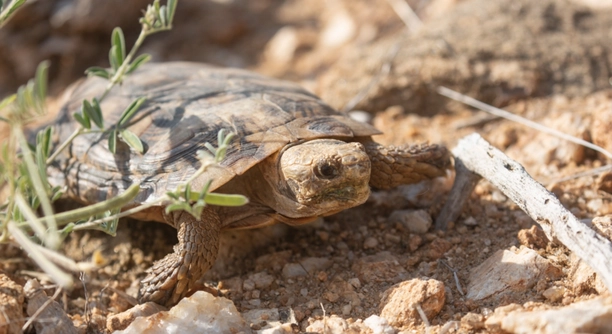
Pancake tortoises are unique creatures, and ensuring they receive the proper nutrition is key to their well-being. A balanced diet plays an essential role in keeping them healthy and thriving in captivity.
Improving your pancake tortoise’s diet involves offering a variety of leafy greens, high-fiber plants, and occasional protein. Adding calcium supplements and ensuring a constant water supply will promote overall health. This combination is essential for their proper growth and shell development.
By carefully adjusting their diet, you can support your pancake tortoise’s health. Let’s explore the best foods and supplements you can add to improve their daily meals.
Leafy Greens: A Staple for Your Pancake Tortoise
Leafy greens are a vital part of your pancake tortoise’s diet. They provide essential vitamins and minerals that support their overall health. Offering a variety of dark, leafy greens such as collard greens, dandelion greens, and mustard greens ensures a well-rounded diet. These greens are rich in fiber, which is necessary for proper digestion and shell growth.
While kale and spinach can be included occasionally, they should not be the primary choice due to their high levels of oxalates, which can interfere with calcium absorption. It’s important to wash the greens thoroughly to remove any pesticides and ensure they are fresh.
Offering leafy greens daily provides not only nutritional benefits but also mimics the natural diet of pancake tortoises in the wild, helping them thrive in captivity. A consistent supply of fresh greens can improve their energy levels and contribute to their overall longevity.
High-Fiber Plants: Essential for Digestion
In addition to leafy greens, high-fiber plants such as hibiscus leaves and edible flowers play a significant role. These provide roughage, aiding digestion and preventing constipation.
Incorporating a variety of high-fiber plants into your pancake tortoise’s diet mimics their natural grazing habits, supporting a healthy digestive system. Fiber helps regulate their metabolism, making it an essential component of their daily meals. Plants such as cactus pads and mulberry leaves can be added occasionally to provide diversity.
Fiber-rich plants ensure proper gut health, keeping your tortoise comfortable and active.
Protein: An Occasional Supplement
Protein should be provided in moderation, as it is essential for growth and strength but can cause health issues if overfed. Offering small amounts of insect protein like crickets, mealworms, or superworms can help meet this need.
However, avoid offering excessive amounts of protein, as it can lead to kidney strain. You can also offer small amounts of high-protein plant material, such as clover or alfalfa, to diversify their diet. It’s important to remember that pancake tortoises are herbivores, so protein should only be an occasional supplement.
The balance between plant-based foods and occasional protein ensures that your tortoise gets the proper nutrients without overloading on protein, which can be harmful.
Calcium: Vital for Strong Shells
Calcium is critical to the health of a pancake tortoise’s shell and bones. Without it, their shells may become soft and deformed, which can lead to serious health issues. Providing calcium through supplements, such as powdered calcium, is a simple solution.
Calcium should be provided regularly, but the amount can depend on your tortoise’s age and size. Younger tortoises need more calcium to support proper shell growth, while adults require slightly less. You can also increase calcium intake by offering calcium-rich foods, such as collard greens and dandelion greens.
Always make sure the calcium supplement is in a form that is easily digestible, such as a fine powder that can be dusted over their greens. Maintaining the right calcium levels is vital for your pancake tortoise’s health and longevity.
Water: Constant Availability is Key
Having fresh water available at all times is crucial for your pancake tortoise. Dehydration can lead to various health issues, including digestive problems and poor shell growth. Ensure their water dish is clean and easily accessible.
It’s important to change the water regularly, keeping it fresh and free from debris. While pancake tortoises are quite hardy, water is essential for hydration and digestion. They often drink from shallow dishes or puddles in the wild, so provide a shallow container that won’t overwhelm them.
Proper hydration ensures your pancake tortoise stays active and healthy, supporting digestion and overall well-being.
Vegetables and Fruits: An Occasional Treat
Fruits and vegetables should be given sparingly. While they offer nutrients, they also contain high levels of sugars that can lead to obesity if fed in excess.
You can offer small amounts of fruits like papaya or melon as a treat, but these should be limited to once or twice a week. Similarly, you can include occasional vegetables like zucchini and bell peppers for variety. These additions should not make up more than 10% of your tortoise’s diet.
Feeding them too much of these foods can lead to digestive issues, so it’s important to maintain a balanced approach.
Supplements: Essential for Balanced Nutrition
Providing supplements can ensure your pancake tortoise receives the right amount of nutrients that may not be present in their food. In addition to calcium, multivitamin supplements can be used to provide any missing vitamins or minerals.
It’s essential to choose supplements that are specifically made for reptiles, as human supplements may not be suitable. Over-supplementation should be avoided, as it can lead to toxicity or imbalances. Following a proper supplement schedule ensures your tortoise stays healthy and well-nourished without overdoing it.
FAQ
How often should I feed my pancake tortoise?
Pancake tortoises should be fed once a day or every other day, depending on their age. Young tortoises need more frequent meals to support their growth, while adults can be fed less often. Always ensure they are getting enough nutrition but avoid overfeeding, as excess food can cause health problems such as obesity and digestive issues. Make sure to provide a variety of foods each time, including leafy greens, high-fiber plants, and occasional protein.
Can I feed my pancake tortoise fruit every day?
Fruits should be given in moderation, about once or twice a week. While they offer some nutritional value, fruits are high in sugars, which can lead to health issues like obesity if fed too frequently. Stick to small portions, and avoid high-sugar fruits like bananas. Instead, focus on offering leafy greens and fiber-rich plants more regularly.
What vegetables are good for my pancake tortoise?
Vegetables such as zucchini, bell peppers, and squash are good options for your pancake tortoise. These vegetables are high in water content and provide important vitamins and minerals. However, they should be offered in small amounts and not make up the majority of their diet. Overfeeding vegetables can lead to digestive issues.
Is it necessary to supplement my pancake tortoise’s diet with calcium?
Yes, calcium is essential for the health of your pancake tortoise, especially for shell development and bone health. Providing a calcium supplement is important, particularly if you’re not feeding calcium-rich foods every day. Dusting their greens with calcium powder or providing a calcium block can help. Ensure that the calcium is easily digestible and that you are offering it in moderation, as over-supplementation can be harmful.
What is the best protein source for a pancake tortoise?
The best protein sources for a pancake tortoise are small, easily digestible insects like crickets and mealworms. These should be offered sparingly, no more than once a week. Protein should not be a regular part of their diet, as they are primarily herbivores. Overfeeding protein can lead to kidney problems or other health issues, so it’s important to keep it in moderation.
Can I give my pancake tortoise commercial turtle food?
While commercial turtle food may be convenient, it is not the best option for your pancake tortoise. These foods are often high in protein and can lead to imbalances in their diet. It’s best to focus on a natural diet that includes a variety of fresh, leafy greens, high-fiber plants, and occasional protein. If you must use commercial food, choose one that is specifically made for herbivorous turtles and offer it sparingly.
What can I do if my pancake tortoise isn’t eating?
If your pancake tortoise isn’t eating, it could be due to various factors, such as stress, illness, or an unsuitable environment. Ensure they are kept in a warm and humid environment that mimics their natural habitat. Check for signs of illness, such as lethargy or respiratory issues, and consult a vet if necessary. If the environment is too cold or dry, they may lose their appetite. Try offering different foods, and if they still refuse to eat, seek veterinary advice.
Can I give my pancake tortoise cactus pads?
Yes, cactus pads are a great addition to your pancake tortoise’s diet. They are high in fiber and provide a good source of hydration. Just make sure to remove any spines or thorns before offering the cactus pad to avoid injury. You can offer cactus pads regularly, along with other high-fiber plants, to keep their diet varied and healthy.
How can I tell if my pancake tortoise is overweight?
An overweight pancake tortoise may have a visibly rounder shell, and its body may appear fuller or bloated. You can also feel their body to check for any excess fat. However, it’s important not to confuse a healthy, plump tortoise with an overweight one. Ensure that their diet is balanced and that you’re not overfeeding them. If you are concerned, it’s best to consult with a veterinarian to assess your tortoise’s health and weight.
Can my pancake tortoise eat dandelions?
Yes, dandelions are an excellent food for pancake tortoises. They are rich in vitamins and minerals and are a great source of fiber. You can feed your tortoise both the leaves and the flowers of dandelions. Just ensure that the dandelions have not been treated with pesticides or chemicals, as these can be harmful to your tortoise.
What is the ideal temperature and humidity for my pancake tortoise?
Pancake tortoises thrive in temperatures ranging from 85°F to 95°F during the day, with a slight drop in temperature at night. They also require high humidity levels, around 60% to 70%, to mimic their natural environment. It’s important to provide a basking spot with higher heat, but make sure there is a cooler area in their enclosure as well. Regular misting can help maintain the necessary humidity, which is essential for their health.
Can I feed my pancake tortoise weeds from my garden?
You can feed your pancake tortoise some weeds from your garden, but you need to be cautious. Make sure the weeds are safe and free from pesticides or herbicides. Common safe weeds include clover, dandelions, and plantain. Avoid feeding weeds that you cannot positively identify, as some plants can be toxic to tortoises.
What are the signs that my pancake tortoise is healthy?
A healthy pancake tortoise will have a firm, hard shell, clear eyes, and active behavior. They will also eat regularly and drink water. Their skin should appear smooth and free from lesions, and their movement should be normal without signs of discomfort or stiffness. Regular health check-ups and a balanced diet contribute to their well-being.
Final Thoughts
Caring for a pancake tortoise involves providing a balanced and nutritious diet to ensure its health and well-being. A variety of fresh vegetables, leafy greens, and occasional protein will keep your tortoise healthy. Make sure to avoid overfeeding, especially with fruits or protein, as this can cause health issues over time. Monitoring their diet and adjusting as they grow is key to keeping them in good condition. Offering calcium supplements is also important for shell and bone health, but moderation is essential to prevent any imbalances.
In addition to feeding, maintaining the right environment is crucial for the overall health of your pancake tortoise. Ensure their enclosure has the correct temperature and humidity levels. A basking spot with adequate warmth is essential, as is a cooler area for them to regulate their body temperature. Regular misting or a humidity source will also help maintain a proper climate. Make sure to provide hiding spots and a clean living area, as tortoises can become stressed in an environment that feels unsafe or unclean.
Overall, keeping a pancake tortoise is rewarding but requires attention to their dietary needs and living conditions. By providing a varied diet, maintaining the right environment, and offering appropriate supplements, you can ensure your tortoise remains healthy and active. Regularly checking for any signs of illness or changes in behavior will help you catch any potential issues early. With proper care, your pancake tortoise will thrive and continue to bring joy for years to come.

Hello,
If you enjoy the content that we create, please consider saying a "Thank You!" by leaving a tip.
Every little bit helps us continue crafting quality advice that supports the health, happiness, and well-being of pets around the world, for pets of all shapes, sizes, and species.
We really appreciate the kindness and support that you show us!