
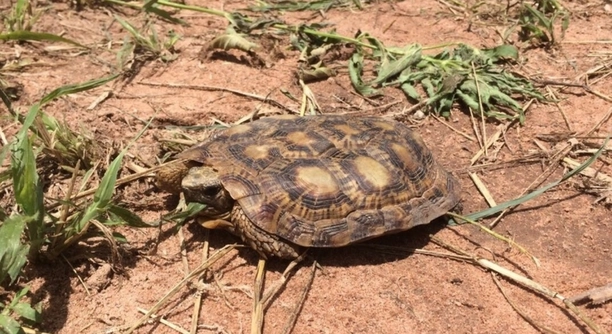
Pancake tortoises make wonderful pets, but keeping them healthy requires careful attention. Like all reptiles, they are vulnerable to illnesses, and small mistakes can have significant impacts on their well-being. Here are some common missteps to avoid.
Pancake tortoises are particularly sensitive to diet, habitat, and care routine. Overfeeding, improper humidity, or inadequate UVB lighting can cause serious health problems. It is essential to maintain a balanced diet, a suitable environment, and proper care practices to avoid illness.
Avoiding these mistakes is essential to ensure your pancake tortoise thrives. Understanding their specific needs will allow you to provide the best care possible for a happy, healthy pet.
Overfeeding Your Pancake Tortoise
Overfeeding your pancake tortoise can lead to health problems, including obesity and digestive issues. While it might be tempting to feed them large portions of food, their small size and slow metabolism require a more measured approach. Offering a variety of fresh vegetables, leafy greens, and a small amount of fruit will provide a balanced diet. The key is moderation and ensuring that they are not overeating, which could result in an overweight tortoise. Be mindful of the food portions and make sure to monitor their weight regularly.
Proper portion control is essential for maintaining your tortoise’s health. Avoid overfeeding and stick to an appropriate feeding schedule to prevent excess weight gain. If you notice any changes in their behavior or appetite, consider adjusting their diet.
A balanced diet is just one part of keeping your pancake tortoise healthy. The food you provide should meet their nutritional needs without overloading them with calories. Over time, this will help them stay active and avoid weight-related health problems.
Improper Humidity Levels
Humidity plays a critical role in maintaining your pancake tortoise’s overall health. These reptiles are from regions with consistent humidity, so it is important to recreate those conditions in captivity. Too little humidity can lead to dehydration and skin shedding issues. Too much moisture, on the other hand, can increase the risk of respiratory infections or fungal growth.
Maintaining a humidity level of around 50 to 60 percent is ideal for your tortoise. This can be achieved by misting their habitat regularly or placing water dishes that help regulate moisture in the air. Make sure that the humidity is consistent and that there are no drastic fluctuations.
In addition to providing proper humidity, a good water source is crucial for hydration. Proper water dishes allow your pancake tortoise to drink whenever needed. By ensuring your pet has access to the correct environmental conditions, you’ll be helping them avoid unnecessary health issues.
Incorrect UVB Lighting
UVB lighting is essential for your pancake tortoise’s health, as it helps them produce vitamin D3, which is necessary for calcium absorption. Without proper UVB exposure, they can develop metabolic bone disease. Make sure to provide a high-quality UVB light that covers their entire enclosure, ensuring they can bask and receive the right amount of exposure.
UVB lights should be placed at the appropriate distance to avoid overexposure or underexposure. Be mindful that UVB bulbs lose their effectiveness over time, so replace them regularly, typically every six months. Without proper UVB lighting, your tortoise may suffer from weakened bones or deformities.
Along with UVB, a basking spot with appropriate temperatures is just as important. Ensure your tortoise has access to both heat and UVB light during the day, mimicking the natural environment. This will keep them healthy and help prevent long-term health issues.
Inadequate Enclosure Size
Providing an enclosure that’s too small can lead to stress and limit the natural behaviors of your pancake tortoise. They need space to roam, explore, and exercise. A cramped space can lead to inactivity and poor health. A larger enclosure allows them to find suitable hiding spots and bask comfortably.
In addition to size, the environment should offer various textures and substrates to encourage natural digging behavior. Use soft materials like coconut coir or organic soil, which allow them to burrow and feel secure. Having different areas within the enclosure for basking, hiding, and moving around ensures a healthier and happier tortoise.
An enclosure that’s spacious and well-equipped helps keep your pancake tortoise active and comfortable. You should aim for at least a 40-gallon tank for one tortoise. This will allow enough space for them to grow, explore, and remain healthy throughout their life.
Overexposure to Heat
Too much heat can cause stress and dehydration in your pancake tortoise. While they do require warmth, it’s important to avoid overheating their enclosure. Ensure they have a cooler area to retreat to if they need to escape the heat.
Keep the basking area around 90°F, and the cooler side should be about 75°F. Monitor the temperature regularly to prevent any fluctuations. High temperatures without a cooler option can lead to heat exhaustion, leaving your tortoise weak and dehydrated. Providing both warm and cooler zones in the enclosure will allow them to regulate their body temperature.
Dirty or Unfiltered Water
Unclean water can quickly lead to health issues for your pancake tortoise. Regularly clean their water dish to prevent the buildup of bacteria or mold. Replace the water frequently, ensuring that it remains fresh and free from contaminants.
Dirty water can lead to infections or gastrointestinal problems. Your tortoise relies on clean water for hydration and digestion. By making it a habit to clean and refill their water dish, you ensure they stay healthy and avoid illnesses caused by waterborne pathogens.
Stress from Handling
Handling your pancake tortoise too much can cause unnecessary stress. While it’s okay to interact with them occasionally, avoid frequent handling. Tortoises are naturally shy and prefer to remain in their environment. Overhandling can lead to anxiety, making them less active and even affecting their appetite.
Give your tortoise time to adjust to their surroundings and allow them to explore freely. If you must handle them, do so gently and briefly. Ensuring their enclosure is secure and their environment is calm helps maintain their well-being and reduces stress.
FAQ
How often should I feed my pancake tortoise?
Pancake tortoises typically need to be fed every other day. Their diet should consist mainly of dark leafy greens, such as dandelion greens, collard greens, and mustard greens, with occasional additions of fruits like strawberries or apples. Avoid feeding them too much fruit, as it can cause digestive issues. The key is variety and moderation.
What temperature should my pancake tortoise’s enclosure be?
The basking area should be around 90°F, while the cooler side of the enclosure should be about 75°F. Having a gradient of temperatures allows your tortoise to regulate their body temperature effectively. Make sure the enclosure is equipped with a thermometer to keep track of the heat levels, and avoid extreme temperature fluctuations.
Can my pancake tortoise live outside?
Yes, your pancake tortoise can live outside as long as the weather is warm enough. They thrive in temperatures between 75°F and 90°F. However, it’s essential to ensure that the outdoor area is secure and safe, protecting your tortoise from predators and extreme weather conditions. When temperatures drop, it’s safer to bring them inside.
How long can a pancake tortoise live?
Pancake tortoises can live for 30 years or more with proper care. Their lifespan depends on the quality of their diet, the environment, and the attention given to their health. Regular checkups and maintaining their habitat will help them live a long and healthy life.
Do pancake tortoises need UVB light?
Yes, pancake tortoises need UVB light to synthesize vitamin D3, which is essential for calcium absorption and bone health. Without UVB, they are prone to developing metabolic bone disease. Be sure to use a high-quality UVB bulb in their enclosure, and replace it every six months as the effectiveness decreases over time.
What should I do if my pancake tortoise isn’t eating?
If your pancake tortoise stops eating, it could be due to stress, illness, or environmental factors. Check the humidity and temperature in the enclosure, as these can affect their appetite. If the issue persists for more than a couple of days, it’s best to consult a vet specializing in reptiles.
How do I know if my pancake tortoise is sick?
Signs of illness in a pancake tortoise include lethargy, loss of appetite, respiratory issues (like wheezing or nasal discharge), and shell deformities. If you notice any of these symptoms, it’s crucial to seek veterinary care immediately. Early detection is important to prevent the spread of illness and ensure a better chance of recovery.
Can pancake tortoises eat insects or worms?
While pancake tortoises primarily eat plants, they may occasionally consume small insects or worms in the wild. However, their diet should mainly consist of vegetables, as insects can be difficult to digest and may cause digestive issues. If you offer insects, ensure they are small and easy for your tortoise to digest.
How often should I clean my pancake tortoise’s enclosure?
You should clean your tortoise’s enclosure weekly. This includes removing any uneaten food, changing the water, and cleaning the substrate. Spot-cleaning daily can help keep the habitat hygienic, but a full cleaning should be done weekly to ensure a healthy environment for your tortoise.
Can pancake tortoises live with other turtles?
It’s generally not recommended to house pancake tortoises with other species of turtles or tortoises. They can be territorial and might experience stress or aggression from other animals. If you do choose to keep multiple tortoises together, ensure the enclosure is large enough to allow each one to have its own space.
Is it safe to handle my pancake tortoise often?
Pancake tortoises are not particularly fond of being handled frequently. Overhandling can cause stress, which may lead to health problems. It’s best to only handle them when necessary, and for short periods. Always ensure they feel secure and avoid picking them up too often.
Do pancake tortoises need a hiding spot?
Yes, pancake tortoises need a hiding spot in their enclosure. They are naturally shy and will appreciate a safe, dark area to retreat to when they feel threatened or stressed. A simple cardboard box or a wooden hide can provide them with the shelter they need to feel secure.
What is the best substrate for a pancake tortoise’s enclosure?
A mix of coconut coir and organic soil works well for pancake tortoises. This combination allows for easy digging and keeps the environment close to their natural habitat. Avoid using substrates like sand or gravel, as these can cause digestive issues if ingested.
Can I feed my pancake tortoise any kind of vegetable?
Pancake tortoises can eat a variety of leafy greens and vegetables, but there are some that should be avoided. Leafy greens like dandelion, kale, and collard greens are ideal. Avoid feeding them high-oxalate vegetables, such as spinach, which can interfere with calcium absorption. It’s important to research each food item before offering it to your tortoise.
Final Thoughts
Caring for a pancake tortoise involves attention to detail, particularly when it comes to their environment and diet. By providing a proper habitat with a temperature gradient, appropriate lighting, and a safe space to hide, you can help ensure they live a long and healthy life. Their needs are straightforward, but it’s crucial to stay consistent and monitor their condition regularly.
Feeding them the right mix of leafy greens, occasional fruit, and avoiding high-oxalate vegetables helps maintain their health. Remember to avoid overfeeding and to remove any uneaten food promptly. A balanced diet goes hand in hand with maintaining the right temperature and humidity levels in their enclosure. Keeping their environment clean and providing fresh water daily are also key elements in supporting their well-being.
Lastly, while pancake tortoises are relatively low-maintenance, they do require some care and observation. Make sure to watch for signs of illness, such as loss of appetite or changes in behavior, and act quickly if necessary. With the right care, your pancake tortoise can thrive for many years, becoming a peaceful and fascinating companion.

Hello,
If you enjoy the content that we create, please consider saying a "Thank You!" by leaving a tip.
Every little bit helps us continue crafting quality advice that supports the health, happiness, and well-being of pets around the world, for pets of all shapes, sizes, and species.
We really appreciate the kindness and support that you show us!