
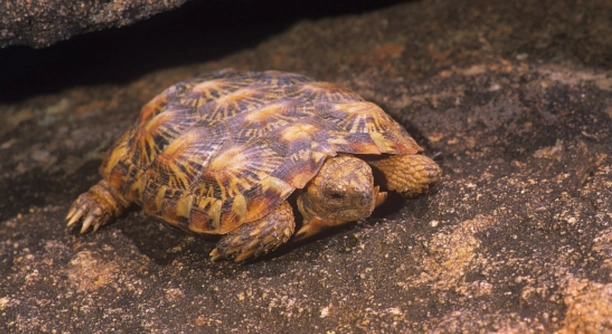
Pancake tortoises are small, slow-moving reptiles, but they can be surprisingly tricky to keep contained. Their curious nature and ability to climb can lead to escapes if the proper precautions aren’t taken.
To prevent your pancake tortoise from escaping, secure its habitat with high sides and a well-fitted lid. Additionally, keep the environment enriched with objects to discourage climbing and make sure there are no gaps for the tortoise to squeeze through.
With these steps in place, your tortoise’s living space will be more secure. We will now explore practical ways to keep your pet safe and happy.
Secure the Enclosure with High Sides
A solid barrier is crucial to keep your pancake tortoise from escaping. Ideally, the walls should be at least 12 to 18 inches high. Since pancake tortoises are surprisingly good climbers, this height will make it harder for them to scale the sides.
Tortoises can sometimes manage to climb over shorter barriers if they can grip onto objects. Avoid any surfaces that are too rough or allow climbing. Smooth walls or a barrier made from materials like glass or plastic can help prevent this.
It’s also helpful to ensure that there are no objects inside the enclosure that the tortoise could use to push or climb over the sides. Keep the space uncluttered and focus on securing the perimeter. Double-check for any weak spots or loose seams where the tortoise might slip through. A sturdy and tall enclosure is your first line of defense in keeping your tortoise safe and contained.
Avoid Gaps and Cracks in the Habitat
Even the smallest gaps can be a risk for escape. Make sure all parts of the enclosure fit snugly, including doors and lids. Any gaps, no matter how small, could give your tortoise an opportunity to sneak out.
A secure, well-fitted lid is just as important as the sides. Without it, your tortoise could easily climb out. Consider a lid that locks or one with a tight seal. If you are using a mesh or wire top, make sure the openings are small enough to prevent the tortoise from slipping through.
Add Climbing Obstacles
Including obstacles inside the enclosure can help distract your tortoise from attempting to escape. Adding rocks, logs, or safe climbing materials can provide enrichment and discourage them from climbing the walls.
When placing these objects, avoid creating paths that lead directly to the top of the enclosure. Use natural materials that are sturdy and difficult to move. A well-placed rock or log can encourage your tortoise to explore, rather than attempt an escape. It’s also a great way to create a more natural, stimulating environment. However, always check that these obstacles can’t be used to push or move the enclosure walls.
By providing a rich environment with climbing elements, your pancake tortoise will focus on exploration and exercise, reducing its desire to escape. This also keeps it mentally and physically active, promoting better health. Ensure that the objects are safe and won’t cause injury.
Use a Secure Lid or Cover
Having a reliable cover is essential for a secure habitat. It helps prevent your tortoise from escaping, especially if it’s a species that enjoys climbing. A lid should fit snugly without gaps.
When selecting a lid, choose a material that is both sturdy and breathable. Options like mesh or fine wire can provide ventilation while preventing escapes. Make sure the lid is secure and can be locked or fastened properly to avoid accidental openings. A well-secured lid is a simple but effective solution to prevent unwanted escapes.
Additionally, check that the lid is heavy enough to stay in place. If using a mesh lid, ensure the holes are small enough to prevent your tortoise from squeezing through. Regular checks can also help maintain the integrity of the lid, keeping your pet secure.
Keep the Temperature Consistent
A stable temperature inside the enclosure is important for your tortoise’s comfort and well-being. Sudden changes in temperature can stress them out, possibly leading to attempts to escape.
Use a reliable thermometer to monitor the temperature. Ensure it stays within the recommended range for pancake tortoises, typically between 75°F and 85°F. Adjust heating lamps or heat mats to maintain this consistency. Tortoises are less likely to try escaping if they feel comfortable in their environment.
A consistent temperature creates a more stable, secure space for your tortoise, reducing the chances of stress or escape. Proper heating equipment can make a big difference in maintaining their well-being.
Provide Hiding Spots
Adding hiding spots or shelters inside the enclosure helps your tortoise feel secure and comfortable. It can also reduce the urge to escape.
Hiding spots, like small caves or simple shelters, give your tortoise a place to retreat when feeling vulnerable. This can create a calm, secure environment where your tortoise doesn’t feel the need to explore or leave the space. Keep these shelters well-placed and ensure they are large enough for your tortoise to move around freely but not too large to encourage escape.
Ensure Proper Humidity Levels
Humidity is important for your pancake tortoise’s health and to keep it comfortable. Low humidity can stress out your tortoise, leading it to try and escape.
Maintain proper humidity levels by misting the enclosure regularly or using a humidifier. Make sure the substrate can retain moisture while allowing for drainage. Too much water, however, can cause mold or bacteria growth, so balance is key. Keeping the right humidity helps keep your tortoise healthy and less likely to escape.
FAQ
Why is my pancake tortoise trying to escape?
Pancake tortoises are naturally curious and may attempt to escape if their enclosure isn’t stimulating enough. They often try to find better conditions, such as a more comfortable temperature or hiding spot. If the enclosure lacks these, they may escape in search of something that feels safer or more interesting.
How high should the walls of my tortoise’s enclosure be?
The walls of your pancake tortoise’s enclosure should be at least 12 to 18 inches high. This height will discourage your tortoise from climbing over, as they are good climbers. If they manage to grip onto objects, the walls should be smooth and not provide footholds.
Can I use a glass tank for my tortoise?
Yes, a glass tank can work, but ensure it is large enough for your tortoise to move freely. Glass tanks often trap heat, so make sure there’s enough ventilation to keep the temperature consistent. Ensure that the tank has no gaps or cracks where the tortoise can escape.
What kind of lid should I use?
A secure, well-fitting lid is essential for keeping your tortoise contained. Use a mesh or wire lid that allows for ventilation but is fine enough to prevent your tortoise from squeezing through. If you are using a heavy lid, make sure it is securely fastened to avoid accidental openings.
Do I need to add climbing obstacles?
Climbing obstacles are not necessary, but they can help to keep your tortoise entertained. If you provide rocks or logs inside the enclosure, they can prevent your tortoise from getting bored. However, make sure these obstacles don’t give your tortoise a clear path to the top of the enclosure.
How do I maintain proper temperature for my tortoise?
Use a thermometer to monitor the temperature inside the enclosure. Keep the temperature between 75°F and 85°F, and provide a heat source like a heat lamp or heat mat. Consistent temperature helps your tortoise feel comfortable and reduces the risk of them trying to escape.
How do I keep my tortoise hydrated?
Keep a shallow dish of water inside the enclosure at all times. Pancake tortoises also absorb moisture from the humidity, so misting the enclosure can help. Ensure the water is refreshed regularly to avoid contamination. You can also provide moisture through fresh food like leafy greens.
How often should I check for cracks or gaps?
Regularly inspect the enclosure, at least once a week, for any cracks, gaps, or wear. Tortoises can be persistent in finding escape routes, and even a small crack can become a way out. Make it a routine to check the enclosure’s sides, lid, and floor to ensure everything is secure.
What should I do if my tortoise keeps escaping?
If your tortoise continues to escape, take a closer look at their environment. Ensure the enclosure is secure, with no gaps or climbing opportunities. Check the temperature and humidity levels, as these factors may encourage escape. Adding enrichment and hiding spots can also help keep your tortoise content and less likely to try to escape.
Can I use a plastic container for my tortoise’s enclosure?
Plastic containers can be used, but they must be large enough for your tortoise to move freely. Ensure that there are no cracks, gaps, or weak areas that could lead to escapes. Also, ensure that the container has ventilation to prevent overheating or poor air circulation.
How do I know if the humidity is too low?
If the humidity is too low, your tortoise may show signs of dehydration or stress, such as a dry shell or lethargy. Use a hygrometer to measure the humidity, aiming for levels around 50-60%. Misting the enclosure and using a humidifier can help maintain the right level of moisture.
Final Thoughts
Keeping your pancake tortoise safe and secure requires attention to detail. By ensuring that the enclosure is free from gaps and providing enough space for your tortoise to move comfortably, you can reduce the risk of escape. Maintaining a consistent temperature and humidity level is essential for your tortoise’s health and comfort. A stable environment helps prevent stress, which can encourage escape attempts.
It’s also important to provide enrichment to keep your tortoise from becoming bored. Adding hiding spots and climbing obstacles can give your tortoise the stimulation it needs while still keeping it contained. This can also help your tortoise feel secure and reduce the urge to leave its enclosure.
In the end, keeping a close eye on your tortoise’s behavior and environment will help prevent escapes. Regular checks and adjustments to the enclosure, temperature, and humidity will ensure your pancake tortoise has the best care possible. With a little effort, you can create a safe, secure, and comfortable home for your pet.

Hello,
If you enjoy the content that we create, please consider saying a "Thank You!" by leaving a tip.
Every little bit helps us continue crafting quality advice that supports the health, happiness, and well-being of pets around the world, for pets of all shapes, sizes, and species.
We really appreciate the kindness and support that you show us!